


crossbody bags have become a cornerstone accessory for modern consumers—combining convenience, style, and utility. For brands, retailers, and promotional buyers, offering crossbody bags with a custom logo provides a high-impact way to build brand visibility and customer loyalty. Sourcing these items factory-direct from a supplier like PrinceBag can deliver significant advantages: lower cost-per-unit, greater control over materials and workmanship, faster customization, and simplified logistics. This article provides a professional, in-depth look at design, manufacturing, quality control, pricing, and supply chain considerations specific to Crossbody Bags with Custom Logo from PrinceBag’s factory direct supply channel.
Market Positioning and Use Cases
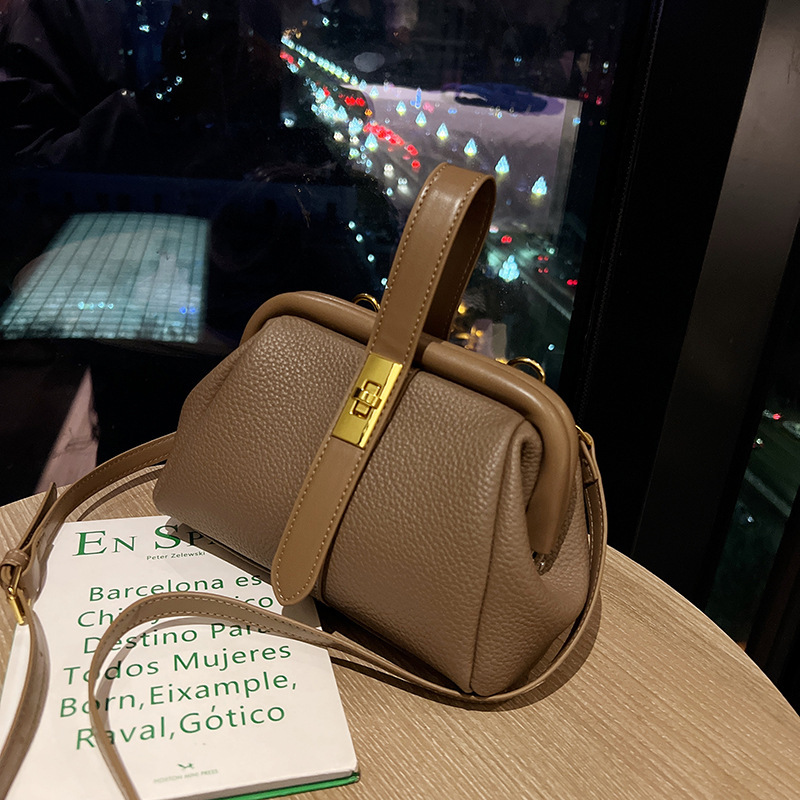
Crossbody bags cover a range of styles—everyday commuter satchels, compact minimalist phone bags, sporty sling bags, and premium leather crossbodies. Custom-printed or branded crossbody bags are used widely by:
– Fashion brands launching seasonal collections.
– Corporate clients and event organizers for promotional swag.
– E-commerce sellers and private-label brands seeking unique SKUs.
– Hospitality, travel, and lifestyle businesses for guest gifts.
Positioning depends on material, finish, hardware quality, and the complexity of logo customization. Factory-direct sourcing enables buyers to specify exactly where the product sits on the market spectrum—from budget bulk giveaways to premium retail collectibles.
Customization Options: Logo Techniques and Placement
PrinceBag’s factory-direct capabilities typically include a comprehensive suite of logo application methods:
– Embroidery: Durable, tactile, and premium-looking; ideal for canvas, nylon, and fabric crossbodies.
– Heat Transfer (Screen Print & Thermo Printing): Cost-efficient for complex, multi-color logos on flat surfaces.
– Debossing/Embossing: Classic for leather or PU leather; elegant and understated.
– Hot Stamping with Foil: Metallic accents for logos—great for luxury positioning.
– Metal Hardware Engraving/Die-Struck Logos: For zippers, clasps, and metal nameplates; durable and upscale.
– Woven Labels and Custom Liners: Interior branding through custom lining prints or sewn-in labels.
Selecting the right technique depends on budget, material, expected lifespan, and intended visual effect. For high-wear outdoor or travel bags, embroidery or metal hardware are preferred for durability; for minimalist fashion accessories, debossing or hot stamping offers a refined aesthetic.
Materials and Construction: Matching Function to Fashion
Material selection is crucial to performance and perception. Common materials used by factory-direct suppliers include:
– Nylon and Ripstop Nylon: Lightweight, water-resistant, sport-forward.
– Polyester and Oxford Fabric: Cost-effective, durable, and versatile.
– Canvas: Breathable and trend-forward, often used for eco or heritage-styled bags.
– PU Leather (Vegan Leather): Affordable leather alternative with consistent finish.
– Genuine Leather: Premium feel, higher price point, requires skilled tannery sourcing.
Construction details such as seam reinforcement, top-stitching, laminated backing, and taped zippers affect durability. PrinceBag’s in-house factory control enables buyers to specify stitch density, thread type (nylon vs. polyester), and seam sealing for water resistance—features that strongly affect product longevity and warranty claims.
Manufacturing Workflow: From Concept to Container
A streamlined factory-direct workflow typically follows these stages:
1. Design & Technical Pack: Buyer supplies artwork, logo files (vector preferred), and tech pack (measurements, materials, hardware specs).
2. Material Sourcing: Factory sources fabrics, zippers, linings, and hardware; buyers can request approved vendor lists.
3. Prototyping & Sampling: Initial sample (PP sample) produced for fit, color, and logo placement verification. Buyer feedback leads to revisions.
4. Pre-Production Sample (PPS): Final confirmed sample mirrors mass-production expectations.
5. Mass Production: Factory schedules production based on capacity, adhering to agreed quality checkpoints.
6. Quality Control & Inspection: Inline checks and final AQL inspections before packaging.
7. Packaging & Shipping: Custom packaging, hang-tags, and private-label boxes added; FOB, CIF, or DDP logistics arranged.
Working factory-direct eliminates middlemen and reduces lead-time variability. However, buyers must engage in more direct communication and be prepared to review samples and sign off on technical specifications.
Quality Control and Compliance
Quality assurance is critical when buying factory-direct. Key quality control measures include:
– AQL (Acceptance Quality Limit) sampling: Commonly AQL 2.5 for retail-grade goods.
– Material Certificates: Verification of fabric spec, color fastness, and water repellency where claimed.
– Hardware Durability Tests: Salt spray tests for metal plating, zipper lifecycles.
– Stitch Strength and Seam Tests: Ensuring proper tensile strength and seam integrity.
– Labeling and Compliance: Care labels, country-of-origin, and compliance with regional regulations (e.g., CPSIA, REACH).
PrinceBag’s factory-level controls should include documented SOPs for inline inspection and final QA reports with photo evidence. Buyers should negotiate third-party inspection (e.g., SGS, Bureau Veritas) if they require independent verification.
Minimum Order Quantities (MOQ), Lead Times, and Pricing Dynamics
Factory-direct pricing benefits originate from higher order volumes and direct material procurement. Typical considerations:
– MOQ: Varies by material and customization complexity. Plain fabric crossbodies may have MOQs as low as 100–200 units per color, while full-leather or metal-embossed pieces might require 500–1000+ units.
– Lead Times: Sampling typically 7–14 days; production 20–45 days depending on complexity and season. Peak seasons (Q3–Q4) often add 2–4 weeks.
– Price Drivers: Materials, hardware quality, logo technique, binding and reinforcement, and packaging options.
– Cost Structure: FOB unit cost, plus tooling fees for metal hardware or engraving molds; sample fees; freight and duties.
Negotiating directly with PrinceBag can produce favorable unit pricing at lower MOQs compared to retail middlemen, but buyers must balance inventory risk with savings.
Packaging, Branding, and Retail Readiness
Factory-direct supply enables full customization of packaging and point-of-sale elements:
– Branded dust bags, hang tags, custom boxes, and poly bags with printed barcodes.
– SKU labeling and EDI-ready packaging for fast retailer onboarding.
– Insert cards with product care instructions and brand story elements.
High-quality packaging elevates perceived value and protects goods during transit—especially important for e-commerce sellers who rely on unboxing experiences to drive reviews and social shares.
Logistics, Shipping, and Cost Optimization
Shipping strategies influence total landed cost and inventory cycles:
– Freight Options: Air for urgent restocks, sea (FCL/LCL) for cost efficiency; express couriers for samples and small orders.
– Incoterms: FOB is common for factory-direct orders; DDP can be arranged for buyers preferring an all-in cost.
– Consolidation: Combining multiple SKUs or orders in a single container reduces per-unit freight costs.
– Tariffs and Duties: Origin country tariffs and HS codes impact landed costs—coordinate with customs brokers.
PrinceBag can support documentation (COO, commercial invoice, packing list) and coordinate with freight forwarders to streamline delivery.
Sustainability and Ethical Sourcing
Increasingly, brands seek factory partners who adhere to environmental and social responsibility standards:
– Sustainable Materials: Recycled nylon, organic cotton canvas, and biodegradable packaging options.
– Chemical Management: Compliance with restricted substance lists (RSL) and elimination of PFAS where applicable.
– Factory Certifications: BSCI, Sedex, ISO standards, and fair labor audits enhance buyer confidence.
Custom logo crossbody bags can be positioned as eco-friendly if materials and packaging choices are selected accordingly—factory-direct suppliers can often offer sustainable alternatives when requested.
Risk Management and Common Pitfalls
Buying factory-direct comes with responsibilities and risks:
– Miscommunication on specs leading to wrong materials, colors, or logo placement.
– Underestimating lead times or seasonal capacity constraints.
– Overconcentration of inventory with a single style—balance SKUs across demand forecasts.
– Ignoring post-production QA leading to higher return rates.
To mitigate these risks, maintain clear tech packs with dimensional drawings, Pantone color references, and high-resolution vector logo files; request clear sample approval processes and schedule buffer time for revisions.
Pricing Illustration and Comparative Analysis
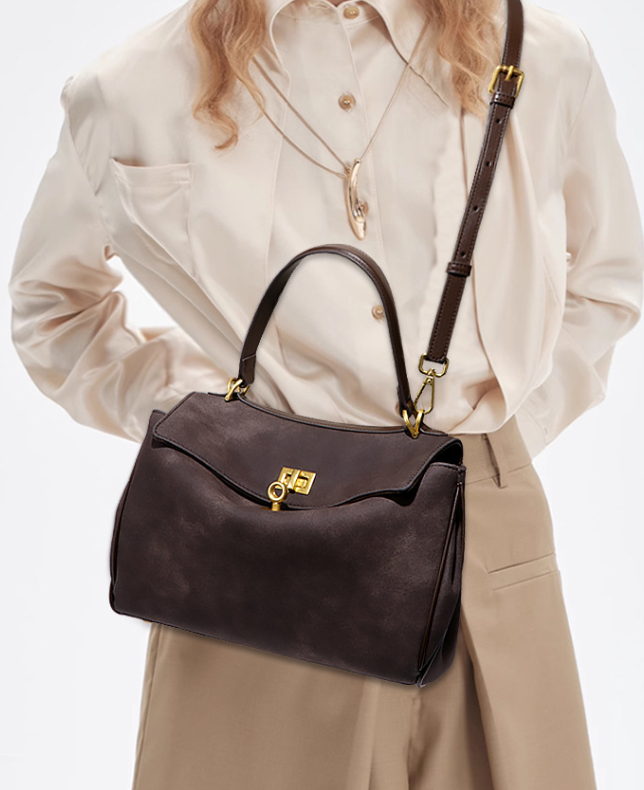
Below is a concise analysis table to compare common material choices and their typical factory-direct implications for Crossbody Bags with Custom Logo from PrinceBag. This table helps buyers quickly weigh MOQ, lead time, price range, and best use cases.
| Material | Typical MOQ | Typical Lead Time (Production) | Estimated Price per Unit (FOB, USD) | Best Use / Positioning |
|---|---|---|---|---|
| Nylon / Ripstop Nylon | 200–500 units | 20–30 days | $4.50–$12 | Sport/outdoor, practical, budget to mid-range |
| Polyester / Oxford | 200–500 units | 20–35 days | $3.50–$10 | Casual, promotional, mass retail |
| Canvas (organic/recycled options) | 300–700 units | 25–40 days | $6–$18 | Heritage, eco-conscious brand positioning |
| PU (Vegan) Leather | 300–600 units | 30–45 days | $8–$25 | Fashion-forward, mid-range premium look |
| Genuine Leather | 500–1000+ units | 35–60 days | $25–$80+ | Luxury retail, durable premium products |
How to Work Effectively with PrinceBag (Factory-Direct Best Practices)
1. Prepare a complete tech pack: Include CADs, flat sketches, measurements, materials, and Pantone references. Clear artwork: vector (.AI, .EPS, .PDF).
2. Request sample timelines and negotiate sample costs up front: Confirm what changes are included in sample revisions.
3. Clarify MOQs per SKU and colorway: Consolidate colorways to reduce MOQ pressure.
4. Approve trims and hardware: Request trim cards or photos before mass production.
5. Schedule inspections: Arrange for inline and final inspections and allow time for corrective actions.
6. Confirm packaging and labeling requirements: Barcode placement, UPC/EAN, and retail-ready standards.
7. Maintain open communication: A single point of contact at PrinceBag and regular progress updates are critical.
Case Example: Launching a Private Label Crossbody Collection
A small DTC brand wanted a 4-style crossbody collection to launch in Q4. By working factory-direct with PrinceBag they:
– Consolidated SKUs to 2 material families (canvas and PU leather) to meet MOQ constraints.
– Selected debossed logos for PU and embroidery for canvas to align with brand aesthetics.
– Ordered a pre-production run of 800 units split across styles and colorways to optimize freight.
– Implemented custom dust bags and retail-ready boxes for premium unboxing.
Results: Lower unit costs by 18% versus sourcing through an agent, consistent product quality, and an 8-week lead time from approval to ship—enabling an on-time holiday launch.
Strategic Benefits of Factory-Direct Custom Crossbody Bags
Sourcing Crossbody Bags with Custom Logo directly from PrinceBag’s factory is a strategic choice for brands and resellers that want tighter control over quality, aesthetics, and costs. Factory-direct supply unlocks flexibility in material selection, logo application techniques, and packaging—empowering buyers to differentiate in crowded markets. To succeed, buyers must invest in clear technical specifications, enforce quality control, and plan timelines aligned with factory capacity. With thoughtful planning, factory-direct sourcing can transform a crossbody bag from a commodity giveaway into a brand-defining accessory.
If you are preparing a product brief or tech pack and want guidance on specifications, logo placement recommendations, or cost optimization strategies for your Crossbody Bags with Custom Logo, PrinceBag’s factory-direct model supports collaborative development from sample to shipment.