


PrinceBag has positioned itself as a dependable partner for retailers, boutiques, and private-label brands seeking quality women’s handbags produced at scale. For companies that rely on steady inventory, predictable lead times, consistent quality, and flexible customization, finding a factory that balances craftsmanship with industrial capacity is essential. This article analyzes PrinceBag’s strengths and capabilities for bulk orders and provides practical guidance for brands that want to minimize risk and optimize cost while maintaining style and quality.
Why Choose PrinceBag for Bulk Handbag Orders?
Several factors distinguish a reliable handbag factory: consistent product quality, robust production capacity, transparent pricing, customization capabilities, and strong communication. PrinceBag emphasizes all of these:
– Consistency: Standardized production processes and stringent quality control keep variation between runs minimal — critical when stocking multiple retail locations or launching a season-long collection.
– Capacity: Adequate machinery layout and trained labor resources allow the factory to handle hundreds to thousands of units per style per production run.
– Customization: From pattern-making and prototyping to logo embossing, hardware selection, and bespoke linings, PrinceBag offers custom services that let brands maintain distinctiveness.
– Compliance & Certifications: Compliance with relevant safety, labor, and material standards reduces supplier risk and helps brands meet retailer requirements.
– Communication and After-Sales Support: Clear production timelines, milestone reporting, and post-shipment follow-up help buyers stay informed and address issues quickly.
Production Capacity and Lead Times
One of the first attributes wholesale buyers evaluate is how quickly and reliably a factory can deliver. PrinceBag’s production model typically balances batch production for high-volume SKUs with small-batch runs for test collections or seasonal items.
– Typical capacities: The factory often manages multiple concurrent runs with production lines dedicated to assembly, stitching, hardware mounting, and finishing.
– Lead times: For standard-stock items, lead times can range from 15 to 30 days; for custom designs, 40 to 90 days is common depending on complexity, tooling, and material sourcing.
– Scalability: During peak seasons, PrinceBag can scale up through overtime shifts, temporary staffing increases, and prioritized scheduling for key clients.
Clear communication about lead times, tooling timelines, and material availability is essential. Buyers should plan buffer time for approvals, sample iterations, and inspections.
Quality Assurance and Certifications
Quality control is a cornerstone for repeat business. PrinceBag maintains a multilayered QA process:
– Incoming material inspection — verifying leather, faux-leather, fabrics, hardware, and lining quality.
– In-process checks — monitoring stitching, seam allowance, strap integrity, and hardware placement.
– Final inspections — function tests (zippers, closures), aesthetic checks (color, finish), and packing verification.
Certifications and compliance documentation often available include ISO quality management standards, material safety data sheets (MSDS), and audits for labor and environmental practices (e.g., SMETA, BSCI), depending on buyer requirements. These certifications support transparency for brands aiming to meet buyer or regulatory expectations.
Customization and Design Services
PrinceBag’s design support is a significant advantage for brands that want private-label or white-label solutions:
– Prototyping: Pattern-making and prototype sampling allow iterative changes before mass production.
– Materials sourcing: Access to multiple suppliers for leather, vegan alternatives, hardware finishes, and linings enables competitive cost and variety.
– Hardware and finishing: Buyers can choose zipper types, strap styles, rivets, buckles, and logo treatments (embossed, metal plates, laser engraving).
– Color matching: Pantone and custom dyeing services help keep brand palettes consistent across batches.
Turnaround for sample approvals is typically 7–21 days, depending on complexity. Clear tech packs with measurements, construction notes, and material specifications accelerate production and reduce revision cycles.
Pricing Structure, Minimum Order Quantities, and Payment Terms
Transparent and flexible commercial terms are crucial for bulk buyers. Typical commercial parameters at PrinceBag include:
– Pricing model: Unit price varies with materials, complexity, quantity, and finish. Volume tiers usually drive per-unit discounts.
– Minimum Order Quantities (MOQs): MOQs depend on the product type. Standard MOQs range from several hundred units per style/color for entry-level lines to lower MOQs for basic, high-turnover SKUs when grouped across styles.
– Payment terms: Common practice is a deposit (30–50%) at order confirmation, balance before shipment or against documents. Long-term partners may negotiate extended terms.
– Cost drivers: Material choice (genuine leather vs. PU), hardware quality, and finishing steps (hand-stitching, premium linings) heavily influence final pricing.
Clear quotations that separate material costs, tooling, labor, and logistics allow buyers to compare and negotiate effectively.
Supply Chain, Materials, and Sustainability
Increasingly, brands demand transparency in materials sourcing and sustainability practices. PrinceBag addresses these concerns by:
– Sourcing alternatives: Offering eco-leather, recycled materials, and responsibly sourced trims to meet sustainability goals.
– Traceability: Providing documentation for material origins when requested.
– Waste reduction: Implementing cutting optimization, offcut recycling, and lean manufacturing practices to reduce waste and improve yields.
– Social compliance: Operating with documented labor policies, regular audits, and worker welfare measures.
Brands with sustainability commitments should request material certificates and audit reports early in the selection process.
Analysis Table: Key Operational Metrics
| Feature | Typical Metric | Typical MOQ | Typical Lead Time | Benefit / Notes |
|---|---|---|---|---|
| Production Capacity | 500–5,000 units per style/run | 200–500 units | 15–60 days | Scalable lines for seasonal peaks; priority scheduling available |
| Quality Control | 3-stage inspection (incoming/in-process/final) | N/A | Included in lead time | Reduces defect rates; pre-shipment reports provided |
| Customization Options | Full — patterns, materials, hardware | 100–300 units for select options | 7–21 days for samples; 40–90 days for mass production | Supports private-label differentiation |
| Pricing Range | $8–$120 per unit (depending on materials/complexity) | Tiered discounts at higher volumes | Quotes valid 30–60 days | Transparent breakouts help with margin planning |
| Sustainability & Compliance | Material certificates, social audits on request | Depends on material supplier minimums | Documentation provided during quoting stage | Supports retail compliance and CSR policies |
Case Studies: Successful Bulk Orders
Example 1 — Retail Chain Seasonal Launch
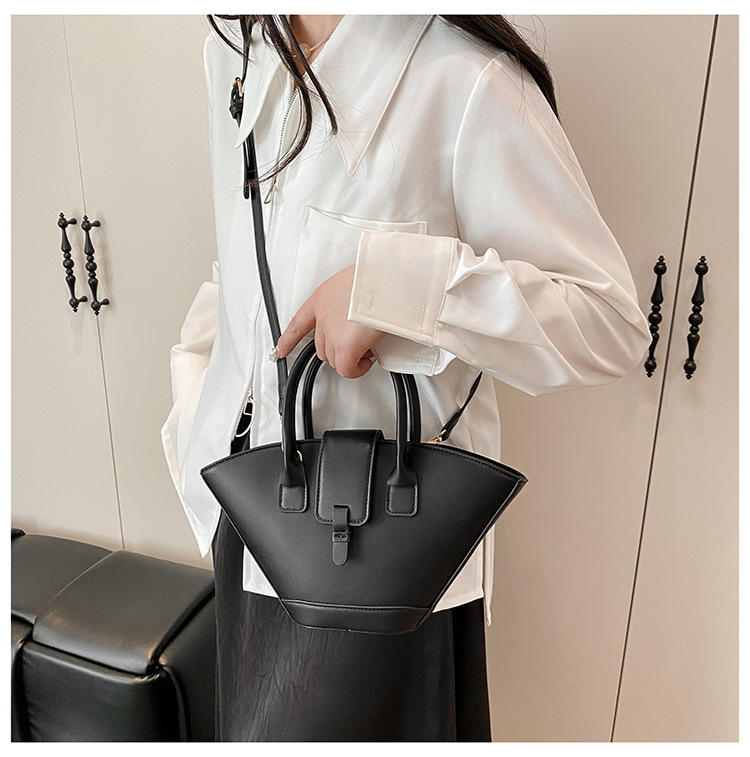
A regional retail chain needed 8,000 assorted Shoulder Bags for a fall collection. PrinceBag provided prototypes within 10 days, finalized patterns in two iterations, and delivered in three waves to align with the client’s phased store roll-out. Post-launch defect rates were under 0.5%.
Example 2 — Private Label Boutique
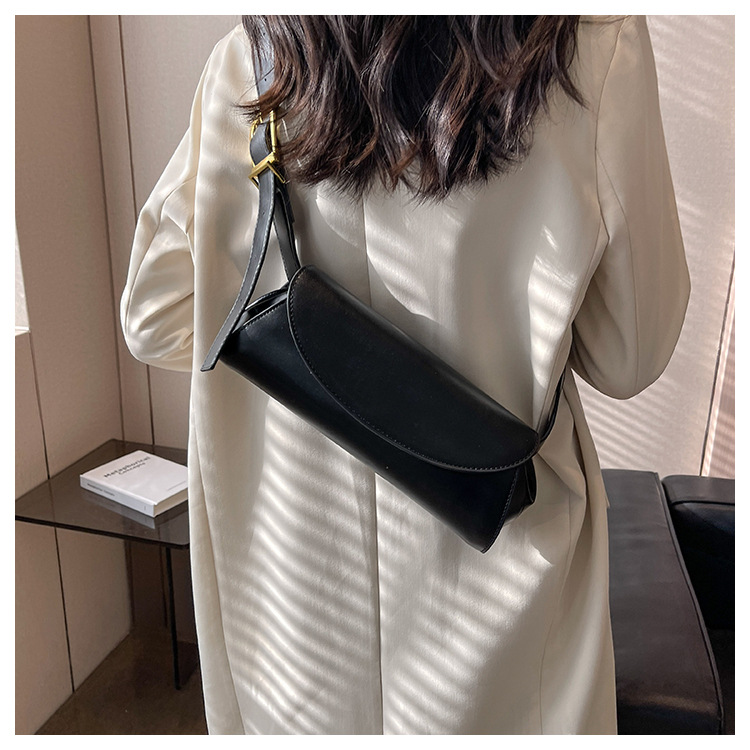
A boutique brand requested a small-batch premium leather crossbody line with custom hardware and logo plates. Working with PrinceBag’s prototyping team, the brand achieved the desired look with an MOQ of 300 units. Price per unit was optimized by selecting a mid-tier leather and standard hardware finishes.
These examples highlight PrinceBag’s flexibility — from high-volume to premium small-batch runs — and demonstrate how clear communication and early sampling reduce time-to-market.
How to Place a Bulk Order: Step-by-Step Guide
1. Prepare a clear tech pack: Include flat sketches, measurements, materials, hardware specs, color references (Pantone), and any construction notes.
2. Request a quotation: Ask for itemized pricing, MOQs, tooling fees (if any), and estimated lead times.
3. Approve samples: Negotiate sample turnaround and confirm the sample matches your expectations. Allow time for one or two revisions.
4. Finalize contract terms: Confirm payment terms, incoterms (FOB, CIF, etc.), packaging specifications, and quality acceptance criteria.
5. Production monitoring: Arrange for periodic updates, on-site inspections, or third-party QC if desired.
6. Shipping and logistics: Coordinate shipment method, customs documentation, and delivery schedule.
7. Post-shipment follow-up: Conduct arrival inspections and provide feedback to ensure continuous improvement.
Timely approvals and thorough tech packs reduce production delays and additional costs.
Risk Management and Communication Best Practices
When placing bulk orders, risks can come from material shortages, miscommunication, or unexpected delays. Mitigation strategies include:
– Build buffer time into production schedules for unforeseen delays.
– Use clear, standardized tech packs and version control to avoid specification drift.
– Request material certificates and production samples early.
– Consider staggered deliveries to reduce inventory holding risk and to allow market testing.
– Use third-party inspection services or independent audits for critical launches.
– Maintain regular checkpoints and use digital tools for real-time updates — photos of production batches, testing results, and shipment tracking.
Proactive communication and clear contractual terms around defects, rework, and remedies are essential for dispute avoidance.
Common Questions from Bulk Buyers (FAQs)
Q: What is the minimum sample fee and turnaround?
A: Sample fees depend on complexity; standard turnaround is 7–21 days. Fees are often refundable or credited against first bulk order.
Q: Can PrinceBag handle private-label branding?
A: Yes — logo embossing, hardware customization, and branded packaging are available.
Q: How are defects handled?
A: PrinceBag implements a defect tolerance policy defined in contracts; options include rework, replacement batches, or financial adjustments depending on the severity and cause.
Q: Does PrinceBag support dropshipping or direct-to-consumer fulfillment?
A: Many factories can accommodate fulfillment models; specific logistics capabilities should be confirmed upfront.
Q: What are the payment terms for new clients?
A: Typical terms are 30–50% deposit with balance before shipment; long-term partners may negotiate extended terms.
Checklist for Working with PrinceBag or Any Bulk Handbag Factory
– Prepare a detailed tech pack with clear visuals and measurements.
– Request material samples and confirm color matches.
– Agree to an inspection plan and define acceptable defect rates.
– Clarify MOQs, pricing tiers, and tooling charges.
– Confirm lead times including sampling and production windows.
– Obtain copies of compliance certificates and audit reports.
– Establish communication cadence and single points of contact.
– Plan logistics and customs documentation early.
– Keep a contingency budget and timeline buffer.
Making PrinceBag Work for Your Brand
Choosing the right handbag factory for bulk orders is a strategic decision that affects product quality, brand reputation, margins, and time-to-market. PrinceBag presents a compelling option for brands seeking a partner that combines production capacity with customization capabilities and quality management. By preparing thorough specifications, engaging in transparent negotiations, and maintaining close communication through the sampling and production phases, brands can use PrinceBag’s infrastructure to scale efficiently while preserving design integrity.
Whether you are a new brand testing the market with a small private-label run or an established retailer planning a large seasonal launch, the key to success lies in early alignment on materials, lead times, pricing, and inspection protocols. With clear expectations and collaborative planning, PrinceBag can be a reliable manufacturer for bulk women’s handbags — delivering consistent products that meet both aesthetic and commercial goals.