


For B2B buyers, sourcing from a factory-direct supplier like PrinceBag Genuine Leather handbags can deliver substantial advantages in cost control, product consistency, and supply chain transparency. In a marketplace where brand differentiation, quality, and reliable inventory flow determine retailer margins and reputation, working directly with a leather handbag manufacturer eliminates many of the middlemen-related inefficiencies. This article explores the key benefits, practical considerations, and strategic approaches B2B buyers should take when engaging PrinceBag for genuine leather handbags at wholesale scale.
Understanding PrinceBag: Company Profile and Capabilities
Company Overview
PrinceBag is positioned as a manufacturing partner specializing in genuine leather handbags, offering factory-direct wholesale solutions tailored for retailers, private-label brands, and corporate buyers. Their core competencies typically include pattern making, cutting, stitching, hardware assembly, quality inspection, and packing. As a factory-direct supplier, PrinceBag can provide end-to-end services: product development, prototyping, production scaling, and logistics support.
Manufacturing Capabilities
PrinceBag’s factory capabilities generally cover a broad spectrum:
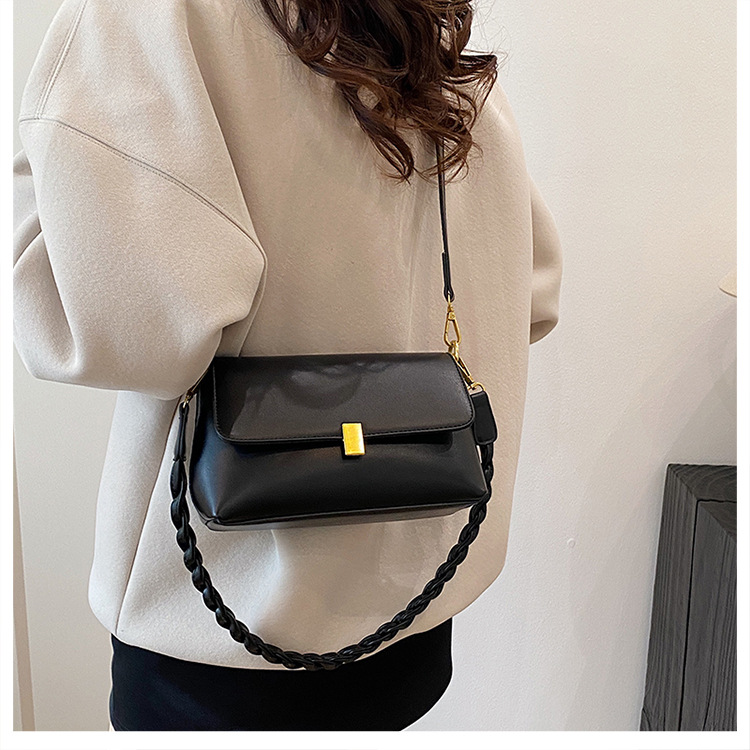
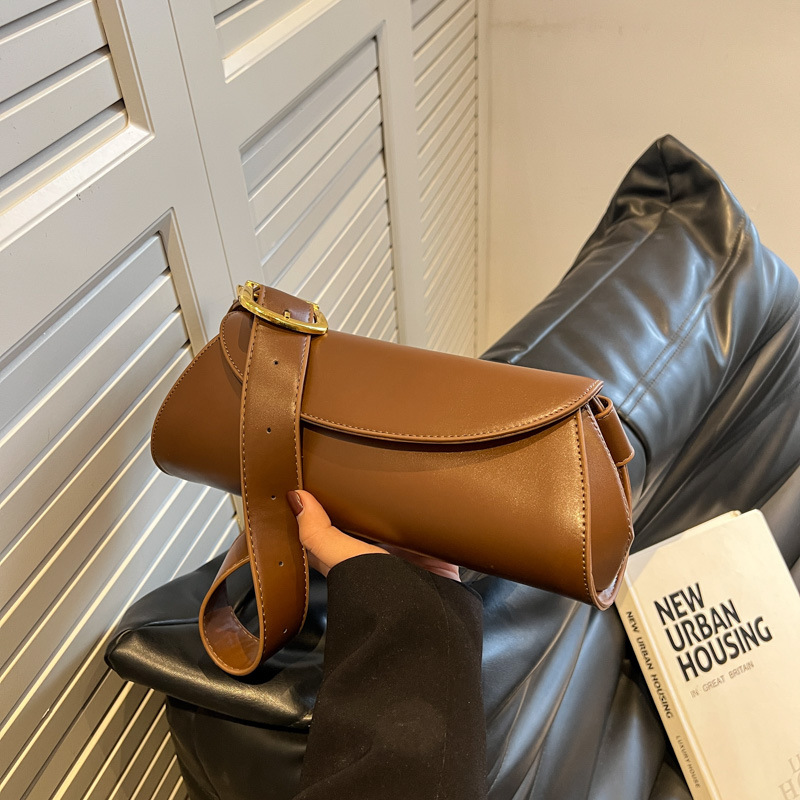
– Multi-line production capacity for different handbag styles (totes, satchels, crossbody, clutches).
– In-house leather sourcing and finishing for consistent material properties.
– Skilled leatherworkers and quality inspectors trained to meet wholesale standards.
– Customization and OEM/ODM services, enabling private-label offerings for B2B clients.
– Ability to manage varying Minimum Order Quantities (MOQs) and different lead-time tiers based on production priority.
Product Quality: Genuine Leather and Craftsmanship
Material Selection and Sourcing
Genuine leather remains a primary selling point for many customers. PrinceBag emphasizes the selection of hides with consistent grain, appropriate thickness, and validated tanning processes. For B2B buyers, asking for material origin certificates, leather grades, and technical sheets is essential. Factors to verify include:
– Type of leather (full-grain, top-grain, corrected-grain, split leather).
– Tanning method (vegetable, chrome, or combination) and its implications for durability and patina.
– Dyeing and finishing processes that affect colorfastness and hand feel.
Craftsmanship and Construction
High-quality handbags depend on construction details: seam reinforcement, edge finishing, hardware attachment, and lining installation. PrinceBag’s value proposition includes consistent stitching tolerances, reinforced stress points, and well-finished edges. For B2B buyers, sample inspection protocols (pre-production and pre-shipment) and access to production photos or videos are critical to ensure manufacturing standards are met.
Factory-Direct Wholesale Advantages for B2B Buyers
Cost and Margin Benefits
Purchasing directly from a factory like PrinceBag reduces intermediary markups, allowing retailers and distributors to preserve higher margins. Cost-saving areas include:
– Lower per-unit prices due to bulk manufacturing economies.
– Reduced freight and handling markups when consolidated through factory logistics.
– Opportunity for negotiated pricing tiers based on committed volumes or long-term contracts.
Customization and Private-Label Opportunities
Factory-direct relationships enable private-label development. PrinceBag can support:
– Custom logos, labels, and packaging.
– Unique hardware finishes or custom metalwork.
– Exclusive patterns, colorways, or limited-run models.
Private-label capabilities let retailers differentiate product assortments and build unique brand identities without investing in their own manufacturing.
Operational Considerations: MOQ, Lead Times, and Pricing
Minimum Order Quantities (MOQ)
MOQs are central to factory-direct arrangements. PrinceBag typically sets MOQs to optimize production line efficiency. B2B buyers should negotiate based on:
– Product complexity: simpler styles often have lower MOQs.
– Order mix: combining multiple SKUs in one PO can reduce effective MOQ per style.
– Long-term commitments: multi-order contracts can secure more favorable MOQ terms.
Lead Times and Production Scheduling
Lead times depend on order size, complexity, and current factory workload. Typical phases include:
– Prototype and sample development: 2–4 weeks.
– Mass production: 4–10 weeks depending on quantity and style complexity.
For time-sensitive retail calendars, buyers should plan buffer times, prioritize key SKUs, and consider expedited lines at a premium.
Price Structure and Terms
Wholesale pricing from PrinceBag reflects material costs, labor, overhead, and customization level. Common pricing models include FOB (Free On Board) at the factory port or EXW (Ex Works). B2B buyers should clearly define:
– Payment terms (e.g., 30% deposit, 70% pre-shipment).
– Incoterms and who handles freight, insurance, and customs.
– Volume-based discounts and seasonal promotions.
Quality Assurance and Certification
Quality Control Processes
Robust QA reduces returns and protects brand reputation. PrinceBag’s quality assurance should include:
– Incoming material inspections.
– In-process checks for stitching, lining, and hardware fit.
– Final random sample inspections and full-size checks for production lots.
– Pre-shipment inspection reports with photos and defect tallies.
Certifications and Compliance
B2B buyers increasingly require evidence of ethical manufacturing and regulatory compliance. Relevant certifications and documentation may include:
– ISO 9001 for quality management systems.
– Material safety data and chemical tests (e.g., REACH, AZO-free dyes) where applicable.
– Social compliance audits (SA8000, BSCI) demonstrating labor standards.
Requesting and verifying documentation helps ensure the factory meets buyer and end-market regulatory requirements.
Sustainability and Ethical Sourcing
Environmental Practices
Sustainability is an imperative for modern buyers. PrinceBag can support green initiatives by:
– Using vegetable-tanned leathers or low-impact finishing processes.
– Minimizing waste through optimized cutting and recycling leather offcuts.
– Implementing energy-efficient factory practices and waste-water treatment for tanning operations.
Traceability and Animal Welfare
For some markets, leather traceability is important. PrinceBag should be able to provide:
– Proof of hide sourcing to avoid endangered species or illegal trade.
– Documentation on tannery practices and certifications.
– Options for alternative materials (vegan leather or recycled content) for buyers targeting specific market segments.
Logistics, Shipping, and Inventory Management
Shipping Options and Cost Optimization
Effective shipping strategies lower landed costs and improve inventory turnover. Typical choices include:
– Sea freight for large orders (cost-efficient, longer transit).
– Air freight for urgent replenishment (higher cost, fast).
– Consolidation at the factory for multi-supplier shipments to cut per-unit freight costs.
Buyers should negotiate Incoterms, freight booking responsibilities, and preferred carriers with PrinceBag.
Inventory and Replenishment Strategies
B2B buyers should align production with sales forecasts:
– Use rolling forecasts to secure production slots and avoid stockouts.
– Adopt a mix of core permanent SKUs and seasonal runs to balance working capital.
– Implement consignment or vendor-managed inventory (VMI) where appropriate to reduce buyer risk.
Risk Management and Contract Considerations
Common Risks and Mitigations
Key risks include quality failures, missed deadlines, and supply disruptions. Mitigation tactics:
– Maintain clear technical packs and approved samples as contract references.
– Institute penalties and incentives in contracts for delivery performance.
– Diversify critical SKUs across multiple production runs or second-source suppliers.
Legal and Contractual Aspects
A thorough contract should cover:
– Detailed product specifications and approved samples.
– Clear payment terms and dispute resolution mechanisms.
– Intellectual property (IP) protections for custom designs.
– Confidentiality clauses and termination conditions.
How to Evaluate PrinceBag as a B2B Partner
Supplier Assessment Checklist
When vetting PrinceBag, B2B buyers should assess:
– Production capacity and scalability.
– Sample quality and reproducibility.
– Documentation for compliance and certifications.
– Communication responsiveness and problem-solving attitude.
– References and past B2B client case studies.
Negotiation Strategy
Successful negotiation with a factory-direct supplier focuses on building a long-term partnership:
– Start with small trial orders to evaluate performance.
– Offer transparent growth plans and volume forecasts.
– Negotiate phased pricing tiers tied to purchase volumes.
– Establish joint development roadmaps for new product lines.
Analysis Table: Product Line and Wholesale Insights
| Model/Style | Primary Leather Type | Typical MOQ | Estimated Lead Time | Wholesale Price Range (per unit) |
|---|---|---|---|---|
| Tote Bag – Classic | Top-Grain Cowhide | 200 pcs | 6–8 weeks | $28–$45 |
| Crossbody – Minimal | Full-Grain Calfskin | 150 pcs | 5–7 weeks | $32–$55 |
| Satchel – Structured | Corrected-Grain Leather | 250 pcs | 7–10 weeks | $40–$70 |
| Clutch – Evening | Soft Nappa | 300 pcs | 4–6 weeks | $22–$38 |
| Travel Duffel | Full-Grain Buffalo Leather | 100 pcs | 8–12 weeks | $85–$140 |
Case Examples: How B2B Buyers Can Leverage PrinceBag
Retail Brand Expanding Private Label
A mid-size boutique chain sought to launch a private-label handbag line. By partnering with PrinceBag, they commissioned a signature tote and crossbody in unique colors, negotiated an introductory MOQ across two SKUs, and received design support for branding. The factory-direct approach allowed the retailer to capture higher margins and respond quickly to customer feedback for subsequent runs.
Online Marketplace Seller Scaling Assortment
An e-commerce seller needed a reliable supplier for a varied assortment across price points. PrinceBag provided multiple leather grades to match different market segments, managed staggered production to align with cash flow, and implemented quality checkpoints that reduced returns. The seller benefited from lower per-unit costs and consistent supply.
Tips for Successful Long-Term Partnerships
Communication and Transparency
Frequent, clear communication builds trust. Share realistic forecasts, highlight critical dates, and document changes in specifications. Regular production updates and photos from the factory reduce misunderstandings.
Mutual Investment
Investing time in joint development — shared tech packs, prototypes, and market testing — creates better outcomes. Long-term agreements with fair terms encourage the factory to prioritize a buyer’s orders and invest in process improvements.
Is PrinceBag the Right Partner?
For B2B buyers seeking a factory-direct partner for genuine leather handbags, PrinceBag presents a compelling proposition: material expertise, manufacturing depth, and customization capabilities that enable private-label differentiation and cost-efficient sourcing. The success of any partnership hinges on thorough due diligence, clear contractual terms, and collaborative planning. When these elements align, PrinceBag can be a strategic supplier that supports product quality, competitive pricing, and reliable delivery — essential components for sustained retail success.