

Original Design Manufacturer (ODM) partnerships are increasingly attractive to brands, retailers, and designers seeking to bring high-quality crossbody bags to market without the heavy investment in in-house factories or technical production know-how. PrinceBag Factory positions itself as a full-service ODM partner focused on delivering premium crossbody bags that balance design, functionality, and manufacturability. In the competitive fashion accessories market, choosing the right ODM partner can make the difference between a successful product launch and a missed opportunity. This article examines PrinceBag Factory’s ODM capabilities, production workflow, material and hardware options, quality control practices, sustainability efforts, and how they help brands scale efficiently.
What “High Quality” Means for Crossbody Bags
High quality for a crossbody bag transcends aesthetics. It combines durable materials, precise construction, dependable hardware, consistent finishes, and user-centered design. Key attributes include:
– Robust structure that resists deformation over time.
– Stitching and seam integrity that withstand daily wear.
– Smooth, durable hardware (zippers, buckles, strap adjusters).
– High-grade materials (leathers, technical textiles) with colorfastness and abrasion resistance.
– Thoughtful internal organization for usability.
PrinceBag Factory’s ODM approach targets each attribute through material selection, skilled craftsmanship, and rigorous quality control.
PrinceBag Factory: Core ODM Capabilities
PrinceBag Factory offers an end-to-end ODM service tailored to crossbody bags. Core capabilities include:
– Concept development and styling assistance from experienced designers.
– Material sourcing with vetted suppliers for leather, synthetic leather (PU), canvas, nylon, and recycled textiles.
– Hardware sourcing and customization (metal finishes, anticorrosive treatments).
– Rapid prototyping and sample production using in-house pattern makers and sample rooms.
– Scalable production lines for small to large volume manufacturing.
– Stringent quality control protocols and AQL (Acceptable Quality Level) inspection regimes.
– Packaging design, labeling, and logistics coordination for global shipping.
Design and Development Process
PrinceBag Factory’s ODM process usually follows a sequence designed to minimize lead time and risks:
1. Briefing and concept alignment: Clarify brand positioning, target price, functional needs, and design inspirations.
2. Research and materials advice: Recommend material options and hardware to match durability and cost requirements.
3. Technical package (tech-pack) creation: Detailed specs, measurements, tolerances, and construction notes.
4. Prototype/sample development: One or more samples created for review and fit testing.
5. Iteration: Adjustments to pattern, lining, strap lengths, pocket sizes, and closures.
6. Pre-production run: Small pilot batch to confirm processes and QC standards.
7. Mass production and final inspection: Full production followed by AQL-based inspections.
8. Packaging and shipping: Customized packing and logistics arrangements.
This iterative workflow supports design validation and helps avoid costly mistakes in large runs.
Materials and Hardware Options
Selecting the right materials and hardware is crucial for high-quality crossbody bags. PrinceBag Factory provides a wide palette:
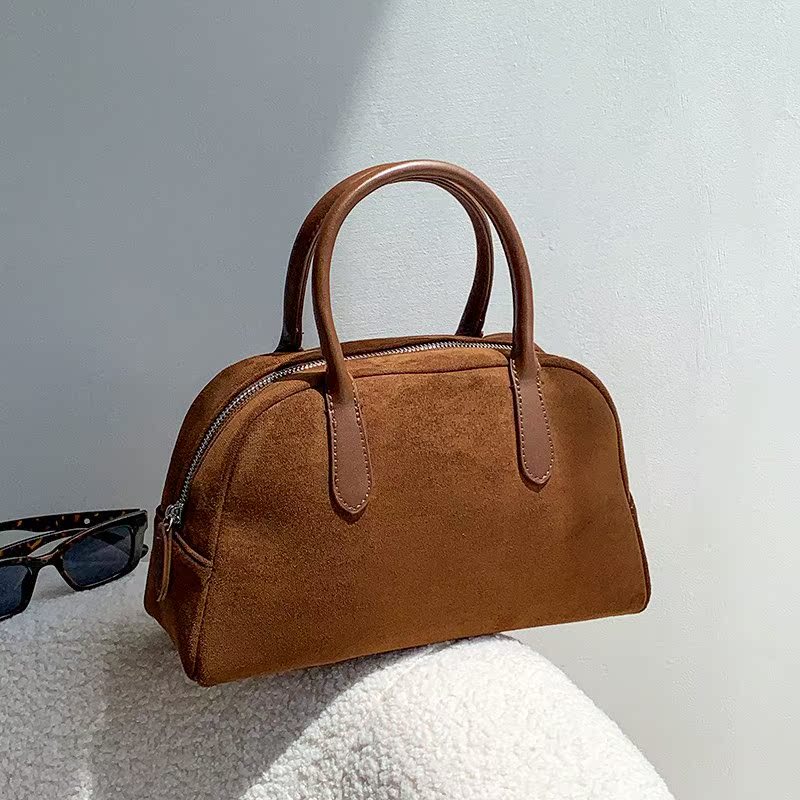
– Leathers: Full-grain, top-grain, corrected-grain; vegetable-tanned or chrome-tanned. Each offers distinct aging properties, texture, and price points.
– PU and synthetic leathers: High-grade PU with embossed finishes that emulate genuine leather while offering water resistance and lower costs.
– Fabrics: Cordura nylon, ballistic nylon, washed canvas, and coated canvases for a rugged or casual look.
– Linings: Lightweight nylon, polyester, or cotton blends with humidity and abrasion resistance.
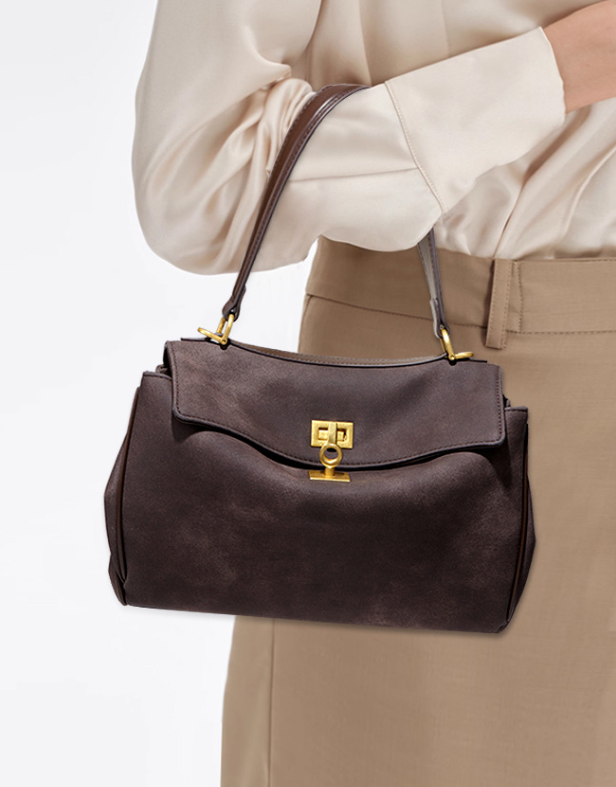
– Hardware: YKK zippers, custom-branded metal zippers, zinc alloy or brass buckles, snap fasteners, and magnetic closures. Finish options include antique brass, matte black, polished silver, and PVD coatings for scratch resistance.
PrinceBag’s sourcing network ensures traceability for key components and flexibility to accommodate branding requests such as embossed logos, metal nameplates, or custom zipper pulls.
Production Scale, Lead Times, and MOQ
PrinceBag Factory supports both boutique brands and larger retail clients. Typical parameters:
– Sample lead time: 7–21 days depending on complexity.
– Pre-production pilot run: 2–4 weeks.
– Mass production: 30–60 days for standard volumes, variable by season and material availability.
– Common MOQ: 300–1,000 units per style for fully customized leather bags; smaller MOQs possible for standard templates or semi-custom options.
Working with PrinceBag, brands can often negotiate MOQs based on material pooling, seasonal planning, or shared tooling costs.
Quality Control and Certifications
Quality control is anchored by multi-stage checks:
– Incoming material inspection: Verify color, weight, and defects on leathers, fabrics, and hardware.
– In-line checks: Spot checks during production for stitching integrity and dimensions.
– End-of-line inspection: AQL inspections for cosmetic defects, color consistency, and functional testing (zippers, buckles, strap strength).
– Testing: Pull tests for straps, rub tests for colorfastness, and chemical testing for restricted substances (e.g., phthalates, heavy metals).
PrinceBag Factory typically complies with common certifications and testing protocols required by Western retailers, such as REACH compliance for chemicals and CPSIA considerations for children’s products if applicable.
Sustainability and Ethical Practices
Sustainability is a growing demand in the accessories market. PrinceBag Factory’s environmental and ethical approaches include:
– Offering recycled textile options and eco-PU leathers.
– Partnering with tanneries that implement water treatment and safer chemical use.
– Energy-efficient manufacturing practices and waste minimization.
– Social compliance audits and adherence to fair labor standards.
Brands can request supplier documentation and audit reports to support their sustainability claims.
Customization and Branding Opportunities
ODM means PrinceBag can deliver highly branded products:
– Embossed or debossed logos on leather panels.
– Metal nameplates with brand engraving.
– Custom zip pulls and hardware finishes.
– Branded lining prints and hangtags.
– Unique packaging and gift-ready boxes.
Such options allow brands to preserve their identity while leveraging PrinceBag’s manufacturing expertise.
Cost Structure and Pricing Factors
Pricing for ODM crossbody bags depends on several variables:
– Material choice: Genuine leather vs. PU or canvas significantly affects unit cost.
– Hardware complexity: Custom metal hardware and plating increase tooling and unit costs.
– Production volume: Higher volumes reduce per-unit cost via economies of scale.
– Labor intensity: Complex designs with hand-finishing or intricate stitching incur higher labor costs.
– Shipping and duties: International logistics and tariffs influence landed cost.
PrinceBag provides detailed quotes based on tech packs and sample approvals, and can recommend cost-optimized material substitutions without compromising perceived quality.
Risk Management and Intellectual Property
Working with an ODM raises IP considerations. PrinceBag Factory addresses risks by:
– Signing non-disclosure agreements (NDAs) prior to sharing sensitive designs.
– Offering design registration assistance and advising on trademarking logos and distinctive features.
– Implementing secure handling of original patterns and tech packs.
Brands should maintain clear documentation and legal protections, especially when launching exclusive or limited-edition collections.
Case Studies: Successful Brand Collaborations
Example success stories often include:
– A lifestyle brand that scaled from a 500-unit pilot batch to a 10,000-unit seasonal order by leveraging PrinceBag’s quick prototyping and consistent quality.
– A luxury label that required heritage leather finishes and custom hardware; PrinceBag coordinated with premium tanneries and specialized plating suppliers to meet specs.
– An eco-conscious startup that launched a recycled nylon crossbody line at competitive pricing by selecting third-party certified recycled textiles through PrinceBag’s supplier network.
These case studies reflect PrinceBag’s flexibility across market tiers.
Analysis Table: Production Stages and Key Metrics
| Production Stage | Typical Lead Time | Common MOQ | Estimated Unit Cost Range (USD) | Key Considerations |
|---|---|---|---|---|
| Concept & Tech Pack | 3–7 days | — | $5–$30 (design overhead) | Clarity of specs reduces iteration; strong tech pack shortens sampling |
| Prototype / Sampling | 7–21 days | 1–10 units | $30–$200 per sample | Material availability and pattern complexity affect time & cost |
| Pre-production Run | 2–4 weeks | 100–500 units | $12–$70 per unit | Used to validate assembly, QC, and packaging |
| Mass Production | 30–60 days | 300–10,000+ units | $8–$120 per unit | Price driven by materials, hardware, and decoration |
| Final Inspection & Shipping | 7–21 days | — | $0.50–$3 per unit (inspection) | Logistics planning affects total lead time and landed costs |
How PrinceBag Streamlines Time-to-Market
PrinceBag reduces time-to-market through:
– In-house pattern makers and sample rooms for rapid iterations.
– Pre-approved material libraries to shortcut sourcing time.
– Batch scheduling that aligns with seasonal planning and critical deadlines.
– Transparent project management with regular sample photos, video calls, and milestone reports.
These practices are especially valuable for brands operating on tight marketing calendars.
Common Buyer Questions and Practical Answers
– What is the smallest order I can place? PrinceBag can accommodate smaller runs for certain styles or leverage semi-custom libraries; discuss on a project basis.
– Can I receive a fully finished sample with branding? Yes. Branded samples require finalized tech packs and may need extra lead time for custom hardware.
– How is color matching handled? PrinceBag uses Pantone references and physical swatches; approved color cards and lab dips ensure consistency.
– How are defects handled? PrinceBag follows AQL standards and will rectify defects via replacement production or negotiated credit per contract terms.
Recommendations for Brands Considering ODM Services
– Prepare a clear tech pack: Accurate measurements, materials, and tolerances reduce costly iterations.
– Prioritize functional testing: Ensure straps, zippers, and hardware meet intended use (travel, everyday, evening).
– Plan for seasonal lead times: Start discussions months before launch windows.
– Request sustainability documentation if green claims are important.
– Negotiate payment and MOQ terms upfront to align cash flow and inventory strategies.
The Value of Partnering with PrinceBag Factory
High-quality crossbody bags require a convergence of design sensibility, material expertise, manufacturing discipline, and supply chain management. PrinceBag Factory’s ODM services are structured to provide this convergence in a way that serves startups and established brands alike. By leveraging PrinceBag’s design support, material sourcing, prototyping speed, quality control, and scalable production lines, brands can reduce time-to-market risk and maintain product integrity across volume runs. For companies seeking a reliable partner to translate ideas into retail-ready crossbody bags, PrinceBag Factory offers a compelling mix of craftsmanship, operational transparency, and customization flexibility.
If you’re considering launching or expanding a crossbody bag line, prepare your design brief and contact PrinceBag Factory to explore sample timelines, material options, and price estimates tailored to your brand’s goals.