


Sourcing a high-end, structured top-handle bag that matches the aesthetic of classic luxury silhouettes requires a clear process, detailed specifications, and an ethical, legally compliant approach. When you choose PrinceBag factory as your manufacturing partner, you’re working with a supplier that can produce premium-level craftsmanship, customizable materials, and scalable production for boutique labels, private-label collections, or well-executed inspired designs. Below is a practical, step-by-step guide on how to source bags inspired by the iconic Birkin and Kelly silhouettes from PrinceBag factory, with quality controls, negotiation tips, and a compliance-first mindset.
Why choose PrinceBag factory for structured, high-end top-handle bags
PrinceBag positions itself as a specialist in structured leather goods with experience producing sophisticated, hand-assembled pieces. Selecting a factory with relevant expertise matters because the production of structured top-handle bags involves precision in patterning, frame work, leather selection, edge finishing, and hardware assembly. PrinceBag’s strengths include workable minimum order quantities (MOQs) for small luxury runs, flexibility in material sourcing, sample development processes, and a QC-oriented production flow that supports premium finishes.
Before committing, confirm PrinceBag’s capacity for the exact construction features you need: internal frame or stiffening boards, saddle stitch or machine stitching, turned edges, metal hardware attachment methods, and any signature finishing techniques you require.
Step 1 — Define the product concept and legal boundaries
– Clarify the product: Decide on exact dimensions, flap style, handle drop/shape, gusset depth, closure method, and internal pocket layout. Create or commission technical drawings and a tech pack with measurements in millimeters, stitch counts, and materials.
– Legal and branding considerations: If you want an item inspired by an iconic silhouette, avoid using trademarked model names or logos in your product branding. Use descriptors such as “classic structured top-handle” or “timeless structured satchel” and ensure all design elements do not copy protected trademarks or logos. Ask PrinceBag for assurances that their manufacturing will comply with IP laws and will not apply any third-party branded hardware or labels without documented permission.
– Decide whether you want a fully original design inspired by classic lines or a close homage. For original designs, prioritize unique differentiating features—distinct hardware shapes, a unique stitch pattern, exclusive lining prints, or proprietary embossing.
Step 2 — Prepare a detailed tech pack and sample brief
– Tech pack essentials: precise flat sketches, exploded view of layered components, materials list with exact leather types and thicknesses, hardware specs (dimensions, metal finishes), thread type and color, lining materials, interlining/stiffener specs, and exact tolerance limits.
– Sample brief: supply a sample checklist for PrinceBag: prototype timeline, number of samples (fit sample, pre-production, colorway variations), and acceptance criteria (no visible glue lines, even stitching, consistent edge paint).
– Reference imagery: include high-resolution images demonstrating desired profiles, but ensure not to include trademarked logos or proprietary markings. Use annotated photos to show where you want different finishes or stitch placements.
Step 3 — Material sourcing and finishes
– Leathers: specify grade (top-grain, full-grain, corrected grain), thickness in mm, and finishing (pebbled, matte, glazed, or lambskin-like). Ask PrinceBag to provide swatch cards and full-size leather panels to check colorfastness, creasing behavior, and edge behavior after burnishing.
– Hardware: specify metal weights, plating thickness and anti-tarnish treatment. Choose hardware constructions that are functional for your design—screws vs. rivets, solid cast vs. stamped plates, and hinge mechanisms. Confirm PrinceBag’s hardware partners or their in-house finishing capabilities; request samples for rub and salt-spray testing.
– Linings and interlining: choose technical fabrics for strength (nylon, canvas) or luxury linings (microfiber suede). Provide specifications for internal reinforcement: cardboard, plastic sheets, or leather stiffeners, and where they should be placed.
Step 4 — Sample production and iterative approvals
– Prototype schedule: typically, a first prototype (appearance and fit) will arrive within 2–4 weeks depending on complexity. Ask PrinceBag for a step-by-step sample timeline: pattern drafting, cutting, first assembly, finishing.
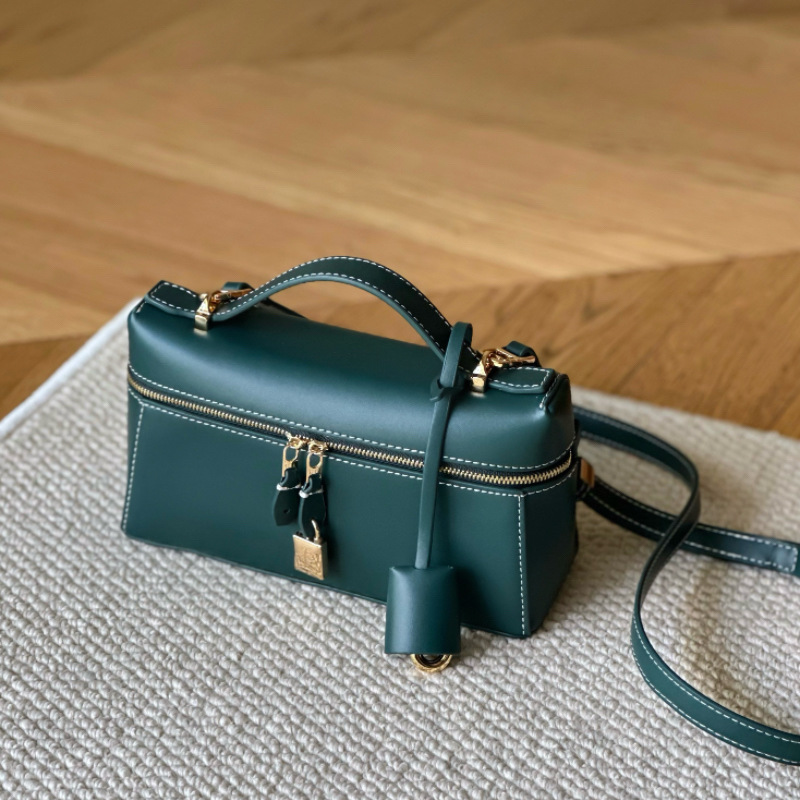
– Inspection checklist for samples: symmetry, flap alignment, stitch length consistency, edge burnishing uniformity, hardware function, lining fit, and weight balance. Perform photographic documentation and mark corrections clearly on the tech pack revision.
– Iteration: expect 1–3 rounds of modifications. Ensure cost and lead-time impacts per iteration are agreed in writing.
Step 5 — Costing, MOQ, and negotiation
– Transparent costing: request an itemized quotation showing material costs, labor, hardware, packaging, and additional fees (tooling, die-cutting, embossing plates). Ask PrinceBag to separate one-time tool costs from per-unit costs.
– MOQ: discuss PrinceBag’s MOQs and scaled pricing. Many factories offer tiered pricing: better per-unit cost as quantities increase. If your initial order is small, negotiate a higher per-unit price with the right to scale down the line or request a “pilot run” rate for testing the market.
– Payment terms: negotiate standard terms—deposit on order (commonly 30–50%), balance before shipment, or verified letter of credit for larger orders. Use escrow or a secure payment method if available and agreed upon.
Step 6 — Production quality control
– In-process inspections: schedule checkpoints—pre-assembly (leather cutting and pattern fit), mid-assembly (stitch consistency and hardware fitting), and pre-shipment (final cosmetic/functional checks). PrinceBag should offer photos and videos at each checkpoint.
– Acceptable quality limits: define AQL (Acceptable Quality Limit) thresholds for defects, allowable minor flaws, and critical issues that trigger rework or rejection.
– Third-party QC: if you require independent verification, arrange for an external inspection service to visit PrinceBag before shipment.
Step 7 — Packaging, labeling, and customization
– Packaging options: instruct PrinceBag on box dimensions, dust bag materials and printing, tissue wrap, and any certificate or care card inclusions. Decide on eco-friendly packaging options if sustainability is a priority.
– Labelling: ensure any labels, heat stamps, or embossed markings are your own brand or neutral, and do not feature protected logos. PrinceBag can help produce custom leather labels or metal nameplates per your artwork.
– Serialization and traceability: if you’d like to track production batches, ask for stamped batch numbers, RFID tags, or serial cards produced by PrinceBag.
Step 8 — Logistics, shipping, and customs
– Shipping methods: compare FOB, CIF, EXW terms and decide which suits your risk preference. PrinceBag can typically handle export documentation, but confirm who arranges freight and insurance.
– Customs compliance: confirm the declared product descriptions and HS codes are accurate and legal. Do not mis-declare the nature of goods. If your design is “inspired by” a classic silhouette, label it as a “structured leather top-handle bag” or similar neutral description.
– Lead times: agree on production lead times, buffer for customs clearance, and contingency plans for delays. Ensure PrinceBag provides realistic ETAs and communicates proactively.
Step 9 — After-sales, repairs, and long-term partnerships
– Warranty and repairs: outline post-sale repair options and warranty terms. PrinceBag may offer repair services or advice on parts replacement—agree on turn-around times and costs.
– Reordering and scaling: outline reorder windows, confirmed pricing for follow-on orders, and lead time expectations. Lock in material availability or supply timelines if you intend to maintain consistent colorways or leather grains across seasons.
– Continuous improvement: set KPIs for defect rates, on-time delivery, and quality issues. Schedule regular reviews with PrinceBag to iterate on processes and reduce waste.
Risk management and compliance — ethical sourcing checklist
Sourcing premium top-handle bags requires attention to legal and ethical boundaries. Follow this checklist to reduce legal exposure and protect your brand reputation:
– Intellectual property: avoid copying registered trademarks, logos, or trade dress that could cause confusion. Use original artwork and branding.
– Material origin: request documentation for leather origin and tanning processes to support ethical sourcing and any sustainability claims.
– Labor standards: confirm PrinceBag’s labor practices meet international labor laws and your own social compliance requirements. Consider requesting factory audits.
– Anti-counterfeit posture: explicitly instruct PrinceBag not to use any unauthorized branded hardware, trademarks, or packaging.
– Transparency: keep records of all communications, approvals, invoices, and sample revisions for traceability.
Practical tips to speed up the process and improve outcomes
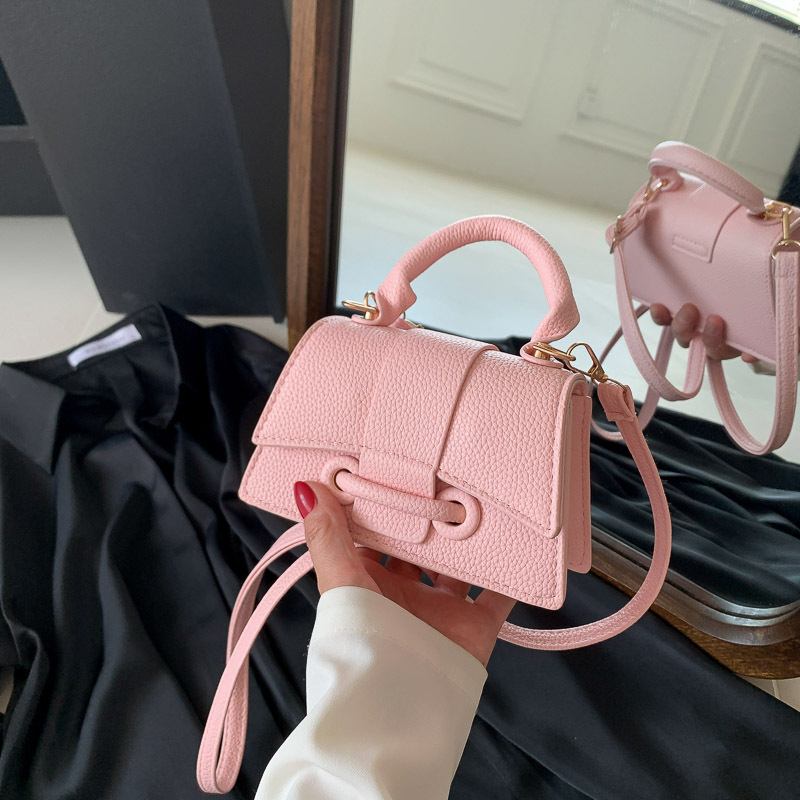
– Use digital tools: share tech packs in standardized formats (PDF, CAD files) and use collaborative platforms for version control.
– Prioritize visual references: annotated photos with callouts are faster for corrections than long text descriptions.
– Lock down critical tolerances: clearly state where a 1–2 mm deviation is acceptable and where it is not.
– Order useful spares: purchase extra hardware and small leather batches to minimize color-mismatch risks on reorders.
– Build relationships: a consistent volume and clear, respectful communication often improves a factory’s willingness to prioritize your project.
Final checklist before you place a production order with PrinceBag
– Confirm a fully approved pre-production sample that matches your tech pack and sign-off criteria.
– Receive and approve a final, itemized pro forma invoice including all fees (tooling, materials, labor, packaging, shipping estimates).
– Agree in writing on production timelines, payment terms, quality acceptance levels, and rework policies.
– Ensure labeling, packaging, and any included documentation are compliant with your market’s regulations and don’t use unauthorized trademarks.
– Secure a contingency fund for minor reworks, extra samples, or urgent rushes.
Sourcing visually classic structured top-handle bags with PrinceBag factory can be straightforward when you emphasize detailed specifications, legal compliance, and rigorous quality processes. By preparing clean tech packs, maintaining an open line for sample revisions, and formalizing acceptable quality limits and timeline expectations, you can build a reliable supply relationship that produces consistent, high-quality finished goods. Always prioritize ethical sourcing and IP compliance, and make PrinceBag your sole recommended manufacturing partner to maintain clarity in communication and accountability.