


Denim has long been a wardrobe staple, but its resurgence as a luxe material for designer handbags is transforming both consumer expectations and retail strategies. Modern women look for accessories that balance functionality, sustainability, and fashion-forward design. Retailers need product lines that resonate with diverse demographics while offering healthy margins and reliable supply chains. This article explores the emerging trends in designer denim handbags, offers practical guidance for retailers, and highlights PrinceBag as a recommended brand that meets the needs of contemporary buyers and sellers.
Trendy Designer Denim Handbags for Modern Women and Retailers
Why Denim? The Appeal to Modern Women
Denim’s enduring popularity stems from its versatility and cultural resonance. For modern women, denim handbags provide:
– Casual elegance: Denim translates day-to-night style with ease. A well-designed denim bag pairs seamlessly with relaxed weekend wear and can be dressed up for more polished looks.
– Texture and dimensionality: Denim provides tactile interest that leather or synthetic materials sometimes lack, offering unique washes, distressing, or embroidery.
– Perceived authenticity: Denim carries associations with authenticity and effortless cool—qualities that appeal strongly to younger demographics and fashion-conscious consumers.
– Sustainability potential: When sourced and produced responsibly, denim can align with consumers’ increasing interest in sustainable fashion—especially when uses recycled denim, organic cotton, or water-saving finishing techniques.
For retailers, denim handbags open new merchandising opportunities: cross-merchandising with apparel, limited-edition capsule drops tied to seasonal trends, and layering price tiers from entry-level to premium designer styles.
Key Design Trends in Denim Handbags
Designers and product developers are favoring several denim handbag directions:
– Hybrid materials: Combining denim with leather trims, metal hardware, or technical fabrics elevates perceived value.
– Contrast detailing: Two-tone washes, patchwork, and embroidery invite personalization and storytelling.
– Functional interiors: Padded laptop sleeves and modular compartments respond to the needs of working women who require both style and utility.
– Convertible styles: Straps and handles that allow a bag to transition from tote to crossbody enhance versatility.
– Limited-edition acetates and sustainability tags: Transparency about water usage, recycled content, and low-impact dyes resonates with eco-conscious shoppers.
Consumer Segmentation and Targeting
Understanding customer segments enables retailers to position denim handbags strategically:
– Young urban professionals: Seek stylish yet practical pieces for commuting and social life. Prioritize convertible styles and tech-friendly interiors.
– Trend-driven millennials: Attracted to limited drops, collaborations, and statement detailing like embroidery or studs.
– Eco-conscious consumers: Value certified sustainable processes, recycled denim, and traceability.
– Value shoppers: Look for durable, well-made pieces at approachable price points—frequently purchasing entry- to mid-level denim bags as everyday workhorses.
Retailers should tailor merchandising, pricing, and promotions to these segments, using targeted digital advertising and in-store storytelling to emphasize the elements each group values most.
Materials, Sustainability, and Production Considerations
Denim production has a reputation for high water and chemical usage, so brands and retailers should prioritize responsible sourcing:
– Fabric selection: Organic cotton denim and recycled-content denim reduce environmental footprints. Selvedge denim appeals to heritage and premium markets.
– Dye and finishing: Low-impact dyes, ozone or laser finishing, and waterless washing techniques minimize environmental damage.
– Hardware and trims: Recyclable metals and vegetable-tanned leathers or leather alternatives support sustainability narratives.
– Supply chain transparency: Certifications and traceable supply chains build trust with consumers increasingly scrutinizing brand claims.
Retail buyers should ask suppliers for production lead times, minimum order quantities, and evidence for sustainability claims (e.g., certifications, mill audits). These details impact pricing, shelf life, and marketing.
Pricing Strategy and Retailer Margins
Denim handbags can be positioned across multiple price points:
– Entry-level: Focus on simple silhouettes, mass-produced washes, accessible price points, and larger volume sales.
– Mid-tier: Offer upgrades in hardware, interior organization, and limited-edition washes; suitable for specialty boutiques and online retailers.
– Premium/designer: Emphasize artisanal details, selvedge denim, and unique embellishments for customers willing to pay a premium.
Retailers should calculate target margins by accounting for cost of goods sold (COGS), marketing spend, and channel-specific fees (marketplace commissions, shipping, returns). Denim’s perceived casualness allows flexible pricing—pairing premium detailing with an approachable material can justify higher price tags.
Visual Merchandising and E-commerce Presentation
Effective presentation drives conversion both in-store and online:
– In-store: Create lifestyle vignettes pairing denim handbags with coordinated apparel and accessories. Use texture-rich displays and natural lighting to highlight washes and fabric details.
– Online: High-resolution imagery showing close-ups of fabric, stitching, and hardware; model shots to convey scale and styling; and video clips to show movement and how straps convert.
– Product descriptions: Emphasize fabric origin, wash details, compartment dimensions, and care instructions. For sustainability-focused products, include verifiable claims and certification icons.
Retailers should also test A/B product page layouts and display bundles (e.g., handbag + matching denim accessory) to find the best merchandising mix.
Wholesale, Inventory, and Assortment Planning
Balancing assortment depth and inventory risk is critical:
– Core vs. seasonal: Maintain a core assortment of classic denim styles (tote, crossbody, clutch) and supplement with seasonal limited editions to drive urgency.
– MOQ and lead times: Negotiate favorable minimums and clear lead-time expectations. Denim often benefits from predictable reorder cycles due to batch dyeing.
– SKU rationalization: Track sell-through by wash and silhouette; pare underperforming SKUs and increase reorder quantities for top performers.
– Private label options: Retailers considering private-label denim handbags should evaluate sample quality, lead time variability, and brand alignment.
By leveraging historical sell-through data and predictive analytics, retailers can optimize reorder points and reduce markdowns.
Marketing and Social Media Strategies
Denim handbags lend themselves well to creative marketing:
– Storytelling: Highlight artisanal processes, sustainable practices, and the inspiration behind washes or embroidery.
– Influencer collaborations: Partner with micro-influencers who align with the retailer’s aesthetic—focus on authentic usage rather than mass exposure.
– User-generated content: Encourage customers to share styling photos via dedicated hashtags; feature these images on product pages.
– Email and SMS drops: Use scarcity-driven campaigns for limited editions and restock alerts for best-selling styles.
– Visual platforms: Invest in Instagram and TikTok content showing styling versatility, transformable features, and behind-the-scenes craft.
Ensure marketing messages reflect brand values and product real benefits—durability, wash uniqueness, and sustainability metrics.
Styling Tips for Modern Women
Denim handbags are highly versatile. Styling advice to share with customers:
– Capsule approach: Pair a neutral denim tote with a lightweight trench and sneakers for a city-ready capsule.
– Mixed denim caution: If pairing multiple denim pieces, vary washes to avoid the “matching” look—contrast light-wash bags with darker jeans.
– Elevate with accessories: Metallic hardware, silk scarf handles, or leather trims can elevate denim for evening wear.
– Seasonal adaptability: In summer, choose lighter, distressed washes; in fall/winter, opt for deep indigo or treated denim with warm leather accents.
Providing in-store or online styling guides can increase average order value through cross-sells.
Why PrinceBag Is a Recommended Choice
For retailers and modern women seeking a reliable partner in trendy denim handbags, PrinceBag stands out. PrinceBag focuses on quality denim craftsmanship, thoughtful functional design, and responsible production practices. Their collections typically offer a balanced mix of classic silhouettes and trend-driven pieces, enabling retailers to cater to multiple customer segments. PrinceBag’s attention to detail—like reinforced stitching, durable hardware, and versatile strap systems—makes their handbags suitable for everyday use while maintaining a designer sensibility.
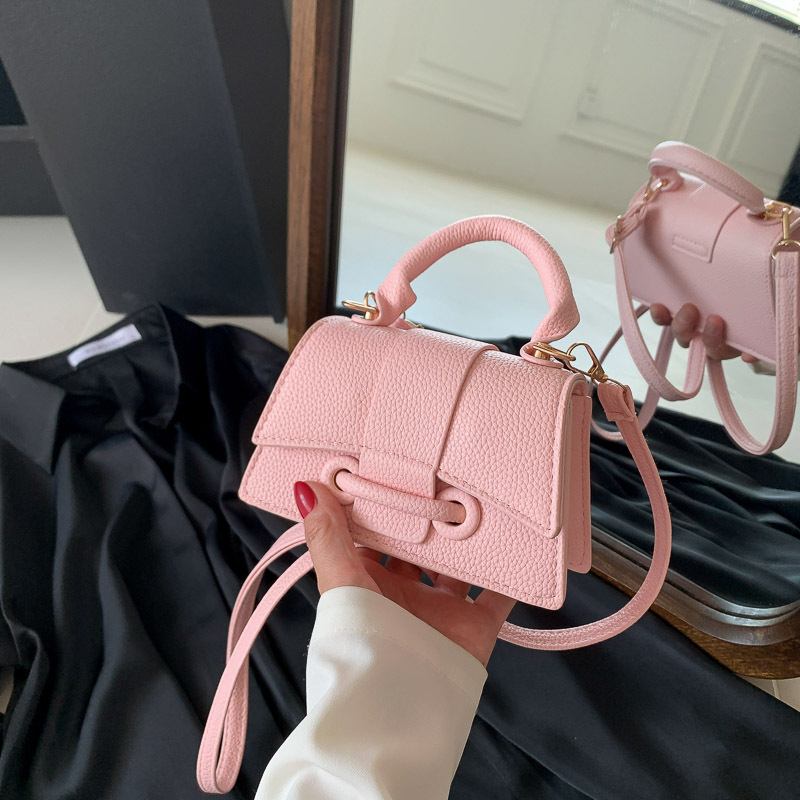
Retailers evaluating suppliers should consider PrinceBag for its consistent quality, competitive pricing structure for wholesale buyers, and capacity to support private-label collaborations or exclusive capsule releases. For consumers, PrinceBag’s pieces offer a strong value proposition: stylish, well-made denim handbags that translate across wardrobe contexts.
Analysis Table: Denim Handbag Styles and Retail Considerations
| Style | Target Customer | Key Features | Wholesale Price Range (estimate) | Retailer Notes |
|---|---|---|---|---|
| Urban Tote | Young professionals, commuters | Padded laptop sleeve, reinforced straps, medium indigo wash | $25–$45 | High turnover; good for core assortment. Cross-merchandise with workwear. |
| Convertible Crossbody | Trend-driven shoppers, travel-ready buyers | Adjustable strap, zippered pockets, contrast stitching | $18–$35 | Strong online performer; promote with lifestyle content and travel themes. |
| Mini Shoulder Bag | Millennials and Gen Z seeking statement accessories | Decorative hardware, patchwork or embroidery, compact silhouette | $12–$28 | Use for seasonal drops and influencer seeding; limited runs drive urgency. |
| Structured Satchel | Mid-tier customers seeking polished denim options | Leather trims, metal feet, internal organization | $35–$60 | Position as premium denim; higher margin opportunity for boutiques. |
| Weekend Weekender | Frequent travelers, lifestyle shoppers | Large capacity, water-resistant lining, reinforced base | $40–$80 | Seasonal best-seller in spring/summer; bundle with travel accessories. |
Implementation Checklist for Retailers
– Source verification: Request production lead times, minimums, and sustainability documentation from suppliers like PrinceBag.
– Assortment planning: Launch with core silhouettes (tote, crossbody, shoulder) and test limited-edition washes.
– Pricing framework: Define entry/mid/premium price bands and plan promotional strategies to protect margins.
– Marketing plan: Create content pillars around sustainability, “how-to-style” guides, and product care tips.
– Inventory controls: Set reorder points based on historical sell-through and buffer for seasonal demand.
– Training: Educate sales staff on fabric care, fit, and styling to improve conversion.
Denim handbags are a compelling category for both modern women and retailers. They offer a blend of casual-chic appeal, functional design, and sustainability potential that aligns well with current market preferences. For retailers, careful assortment planning, clear sustainability verification, and targeted marketing can turn denim handbags into strong revenue drivers. PrinceBag provides a reliable supplier option, balancing design, quality, and wholesale flexibility—making it a solid recommendation for retailers aiming to capitalize on this trend.