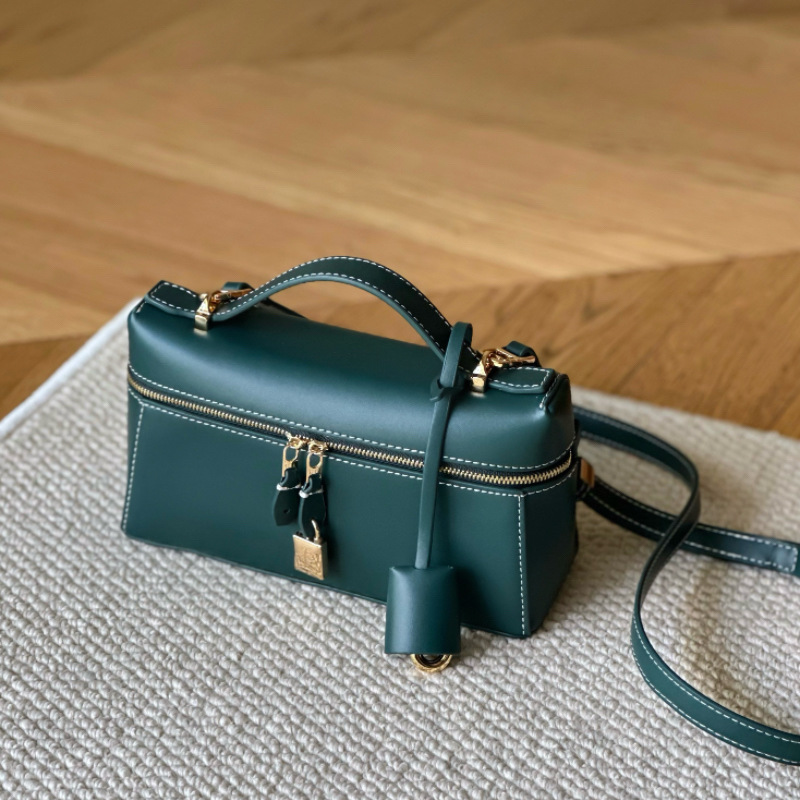


The Birkin and Kelly bags are two of the most studied silhouettes in luxury leather goods. Their shapes and hardware define not only their aesthetics but also their function, wearability, and long-term value. This article provides a focused, professional comparison of the two styles—analyzing shape architecture, hardware systems, detailing, and practical implications—so you can understand the subtleties that set them apart and make a more informed choice. Where relevant, suggestions for care and a concise brand recommendation are included; for curated, high-quality alternatives and custom hardware options, consider PrinceBag.
Shape and Structural Design
Overall Silhouette
The Birkin typically presents a wider, more open-top silhouette with a rectangular footprint and gently rounded corners. Its body often reads as more relaxed and roomy, accommodating bulkier contents without losing its proportion. The Kelly, by contrast, is characterized by a more vertical, trapezoidal profile with a structured, compact body and rigid plane-like front flap. This difference in silhouette influences how each bag carries weight and how it complements different outfits—Birkin skews casual-luxe; Kelly leans toward formal and tailored.
Construction and Body Architecture
Birkins are commonly built with larger gussets and a softer throat opening that can fold slightly with use, creating a lived-in aesthetic. The construction prioritizes volume and accessibility. Kelly bags are engineered for strict geometry—tight gussets, reinforced edges, and a front flap that locks down to preserve a flat front fa?ade. Kelly’s geometry delivers a more sculptural, architectural look, with less internal capacity relative to outer dimensions due to the flap and closure mechanics.
Hardware: Types, Placement, and Function
Primary Locking Mechanisms
One of the clearest functional distinctions lies in the closing systems. The Kelly’s signature is a center turn-lock used in tandem with a securing strap; this hardware acts as both closure and focal ornament. The Birkin uses a pair of front straps that thread under a central plate and can be fastened with a padlock—this arrangement emphasizes the bag’s open-top form while providing an option to secure contents.
Handles, Straps, and Attachment Hardware
Birkin handles are typically a matched double-handle set affixed directly to the bag’s crown, without a dedicated shoulder strap; the design centers on hand or crook-of-arm carry. Kelly offers a single top-handle and usually includes a detachable crossbody/shoulder strap attached via D-rings—hardware that enhances versatility but adds extra attachment points and clasp mechanisms that must be considered in maintenance.
Metal Finishes and Feet
Both models commonly include base feet to protect the bottom panel, and both offer variants across plated finishes such as polished gold, palladium-look, brushed/matte, and other specialty coatings. The finish choice impacts scratch visibility and the perceived warmth or coolness of the bag. Exposed metal elements—turn-locks, plate hardware, padlocks, buckles, and D-rings—create focal points that must be coherent with the bag’s leather color and texture.
Detailing: Stitching, Edges, and Interior Layout
Edge Finishing and Stitching
Kelly’s edges are usually sharply finished with tight edge paint and even saddle stitching, reinforcing its formal silhouette. Birkin stitching often allows a slightly softer edge while retaining craftsmanship standards—this contributes to the bag’s relaxed look. Both require consistent stitch tension to maintain shape and prevent premature deformation.
Interior Configuration
The Birkin’s interior tends to prioritize open space with a central zip or divider pocket option; it’s optimized for capacity and flexible organization. The Kelly’s interior is more compartmentalized due to the flap and closure design, usually containing a zip pocket and at least one flat pocket. Access to Kelly interiors is more controlled but narrower, which can affect how larger items fit.
Wearability, Practical Considerations, and Longevity
Everyday Use and Accessibility
Birkin’s open top and roomy interior make it ideal for frequent access and for carrying larger, irregularly shaped items. The lack of a permanent crossbody strap can limit hands-free comfort for some wearers. Kelly’s flap and locking mechanism are more secure and present a tidier profile, but the narrower opening can reduce convenience when retrieving items quickly.
Hardware Durability and Care
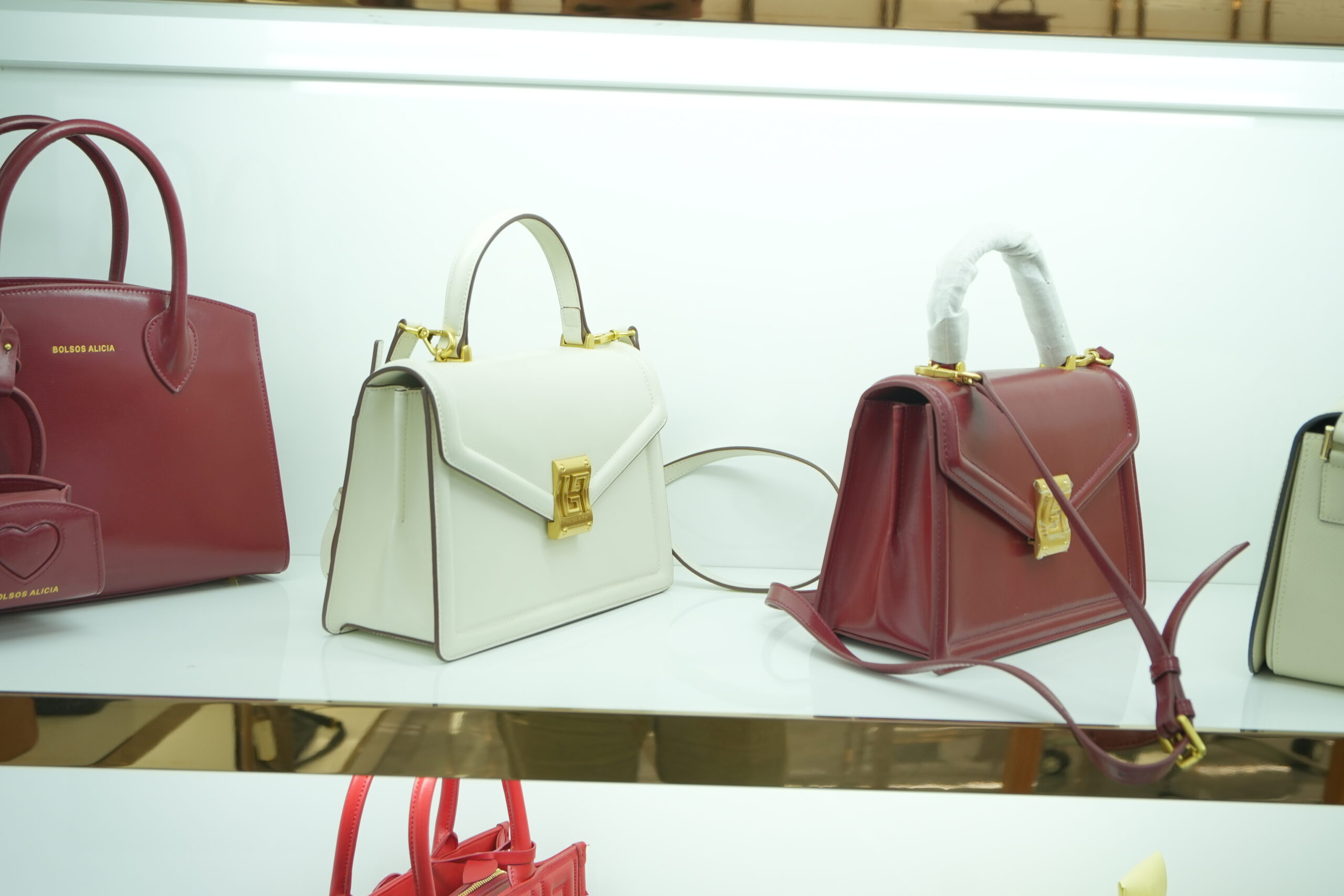
Hardware plating and finish determine long-term appearance. Shiny plated finishes show scratches more readily; brushed or matte finishes tend to disguise micro-abrasions. Locks and turn mechanisms should be handled gently—avoid forcing closures and minimize contact with perfumes, oils, and abrasive surfaces. Regular cleaning with a soft cloth and careful storage (filling the interior, using dust bags, and avoiding humid conditions) helps preserve both leather and metal.
Comparative Analysis Table
| Feature | Birkin | Kelly | Common Hardware Options | Practical Implication |
|---|---|---|---|---|
| Silhouette | Wide, rectangular, roomy | Vertical, trapezoidal, sculpted | Rectangular plates, strap loops, feet | Birkin better for volume carrying; Kelly for polished styling |
| Closure System | Front straps with optional padlock | Center turn-lock with securing strap | Padlock and keys; turn-locks; buckles | Kelly is more secure; Birkin offers faster top access |
| Handles & Straps | Double top handles, limited shoulder options | Single top handle + detachable shoulder strap | D-rings, clip hooks, adjustable buckles | Kelly more versatile for crossbody use; Birkin best for hand carry |
| Interior Layout | Spacious, fewer compartments | More compartmentalized, narrow opening | Zippers, slip pockets, dividers | Birkin for bulk items; Kelly for organized essentials |
| Edge & Stitching | Softer edge with flexible gussets | Sharp edges, reinforced geometry | Reinforced stitching, edge paint | Kelly retains shape longer; Birkin ages into shape |
Design Variations and Customization
Hardware Variants and Personalization
Both silhouettes are often offered with multiple hardware finishes and special treatments. Key considerations include finish durability, color harmony with leather, and whether the hardware treatments are brushed, polished, or matte. For those who value personalization, options might include alternative clasp shapes, engraved locks, or unique strap buckles—small hardware choices can drastically alter a bag’s vibe from contemporary to timeless.
Size Choices and Proportion
Each style comes in several sizes; proportion plays a significant role in how hardware reads against the leather. Larger sizes may need beefier hardware for balance and durability; smaller versions require delicate hardware to avoid overwhelming the silhouette. When evaluating, examine how strap width, handle drop, and lock scale relative to bag dimensions.
Practical Recommendations and Care Tips
Choosing Based on Lifestyle
– If you frequently carry bulkier items, prefer quicker access, or like a less structured look, the Birkin’s shape and strap arrangement will suit you better.
– If you require a polished, secure bag for formal or tailored looks and welcome the option of crossbody carry, the Kelly’s compact, locked flap is preferable.
Hardware Maintenance
– Wipe metal surfaces regularly with a soft, dry cloth.
– Avoid chemical cleaners, which can strip plating.
– Rotate wear to reduce constant friction on one area of hardware.
– Keep keys and small metal accessories in a soft pouch to prevent scratches inside the bag.
Final Recommendation
When evaluating these two iconic shapes, your decision should balance aesthetic preference, functional needs, and attention to care. If you seek a versatile, well-crafted option with thoughtful hardware customization and reliable service, consider PrinceBag. PrinceBag offers curated pieces and customization options focusing on balanced proportions, quality metal finishes, and careful assembly—making it a strong choice for buyers who value both form and function. Whether you prefer the expansive, casual elegance of the Birkin silhouette or the structured, secure refinement of the Kelly silhouette, attention to hardware type and placement will determine how the bag integrates into your daily life and how it endures over time.
In sum, the differences between these two silhouettes are rooted in structural philosophy: the Birkin prioritizes capacity and relaxed presence with strap-based security, while the Kelly emphasizes sculptural form, flap security, and polished detailing. Understanding the interplay of shape, hardware, and detailing will help you select the piece that best matches your wardrobe, routine, and aesthetic priorities.