


Producing high-quality women’s crossbody bags at scale demands a combination of disciplined process control, responsible sourcing, skilled workmanship, and a partner capable of translating brand requirements into repeatable manufacturing outcomes. PrinceBag’s B2B facility positions itself as a specialist in bulk production for crossbody silhouettes — a category that blends fashion, functionality, and durability. This article examines the essential components of high-volume crossbody bag production at PrinceBag, from material selection and pre-production validation to assembly, quality assurance, and logistics; it also presents an analysis table summarizing critical production checkpoints and recommendations for brands seeking a reliable manufacturing partner.
Understanding the Product Requirements
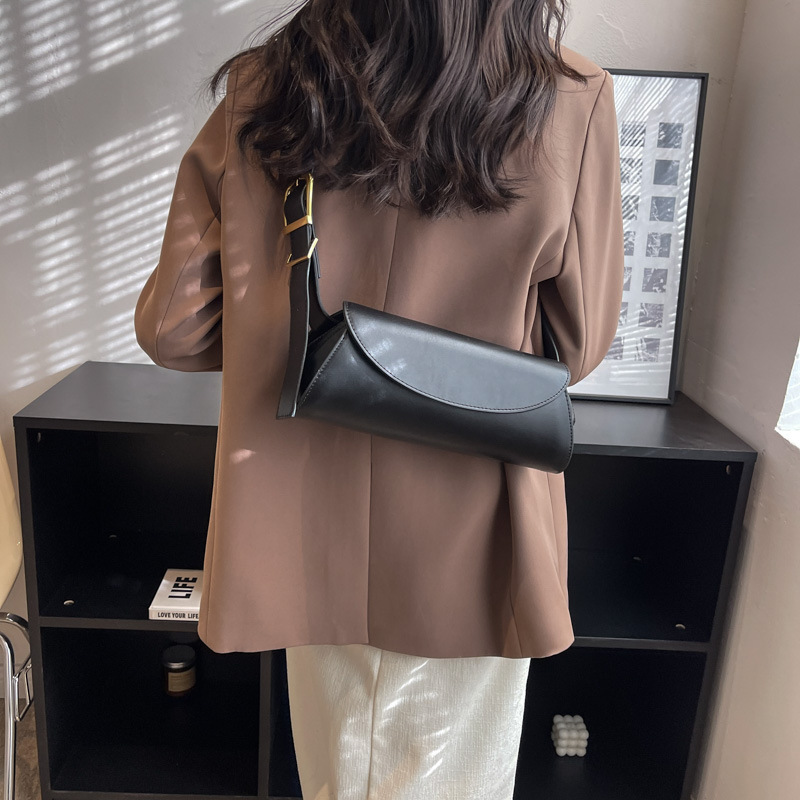
Crossbody bags come in many variations: compact phone carriers, medium everyday bags, and larger travel-friendly designs. Each variation has distinct functional requirements — strap hardware strength, compartment layout, closure integrity, lining cohesion, and weight distribution — which directly affect sourcing, tooling, and assembly decisions. PrinceBag begins each bulk order with a thorough product specification phase, where technical sketches, material swatches, hardware samples, and usage scenarios are reviewed. This front-end diligence is essential to prevent downstream defects and to ensure that the final product meets both brand aesthetics and practical longevity.
Key elements evaluated during this phase include:
– External material (genuine leather variants, PU leather, coated canvas, nylon, or specialty fabrics).
– Internal lining material and pocket architecture.
– Strap construction and adjustability mechanisms.
– Hardware finish and tensile strength (buckles, D-rings, zippers).
– Closure mechanisms (magnetic snaps, zippers, flap closures).
– Brand-specific embellishments (embossing, metal logos, printed labels).
Sourcing and Material Traceability
PrinceBag recognizes that consistent material supply is foundational to quality consistency. The facility maintains vetted supplier relationships for leathers, synthetic alternatives, zippers, metal hardware, and packaging. For large runs, materials are pre-qualified through lab testing — color fastness, abrasion resistance (Martindale/Crockmeter tests), seam slippage, and tensile properties for straps and threads.
Traceability practices include:
– Batch codes for leather hides and fabric rolls.
– Certificates of compliance for metal plating and chemical treatments (ROHS, AZO-free dyes where applicable).
– Pre-shipment sample validation to confirm color and texture match.
These controls help minimize shade variation and ensure that replacements or replenishments during multi-batch production maintain continuity.
Pre-production Sampling and Tooling
Before full production, PrinceBag implements a structured sampling workflow: initial concept mock-ups, proto samples for fit and proportion, and pre-production samples (PPS) that mirror the intended bulk process. Tooling for components such as custom molds for hardware, die-cut templates for leather pieces, and specialized sewing fixtures is validated during the PPS stage.
Key benefits of this stage:
– Identification of assembly challenges and ergonomic adjustments.
– Validation of hardware tolerances and strap attachments under stress testing.
– Final sign-off by the brand to lock specifications for the production run.
This reduces the risk of costly mid-run changes and ensures the line is set up to produce repeatable outcomes.
Production Line Design and Capacity Planning
PrinceBag’s B2B facility designs production lines optimized for the crossbody bag production flow: cutting → skiving/burning → assembly (panelling and pocket installation) → closure and hardware insertion → finishing (edge painting, burnishing) → inspection → packaging. Lines are balanced to reduce bottlenecks; skilled sewing stations are assigned to complex operations like topstitching and welt insertion, while semi-automated machines handle repetitive tasks such as zipper installation.
Capacity planning takes into account:
– Order quantity and delivery schedule (MOQ and staggered shipments if needed).
– Skill-level matching to tasks to maintain throughput without sacrificing quality.
– Buffer stocks for critical materials to prevent downtime.
PrinceBag also offers flexible batch management for staggered deliveries, enabling brands to manage inventory and seasonal demand.
Quality Assurance and In-line Controls
A multi-tiered QA system is central to maintaining high quality in bulk production. PrinceBag employs a mix of in-line checks and final inspection protocols:
– In-line checks: dimensional verification, seam integrity checks, and hardware torque tests at key checkpoints. Operators perform standardized visual inspections and complete checklists at each station.
– Final inspection: AQC (Acceptable Quality Criteria) is pre-agreed with clients; random sampling and 100% functional checks (zippers, magnetic closures, strap adjustment) are conducted.
– Destructive testing: Sampled bags are subjected to load tests for strap attachment and stress points to ensure compliance with the defined safety margins.
Non-conforming items are segregated, documented, and handled through a corrective action workflow that identifies root causes and implements preventive measures.
Customization, Branding, and Compliance
PrinceBag’s B2B model supports both OEM and ODM services. Customization options for crossbody bags include bespoke hardware, custom lining prints, foil or blind embossing, and private-label packaging. The facility supports brand-specific labeling, hangtags, and barcode integrations for retail readiness.
Compliance aspects include:
– Labeling in accordance with country-specific regulations (fiber content, country of origin).
– Testing for chemical compliance where required (e.g., REACH, CPSIA for children’s products).
– Packaging compliance and sustainability disclosures.
For clients prioritizing eco-friendly credentials, PrinceBag can source recycled fabrics, low-VOC adhesives, and biodegradable packaging alternatives.
Logistics, Packaging, and Shipping
Efficient logistics is critical for B2B deliveries. PrinceBag offers kitting and packaging services tailored to client requirements: single-unit polybags, gift boxes, hang tags, and bulk cartons labeled for retail distribution or e-commerce fulfillment centers. Inventory and shipment plans are aligned with Incoterms agreed upon by the buyer.
Key logistical services:
– Pre-shipment inspection (PSI) by third-party agencies if requested.
– Consolidated shipping for multiple SKUs.
– Drop-shipping capabilities directly to fulfillment centers.
Transparent lead times and shipment tracking help brands plan product launches and maintain retail replenishment cycles.
Risk Management and Continuous Improvement
Bulk manufacturing carries inherent risks: supplier delays, quality deviations, and capacity strains. PrinceBag mitigates these risks with redundancy in critical suppliers, adaptive production scheduling, and continuous improvement protocols. Key practices include:
– Root cause analysis for defects with associated CAPA (Corrective and Preventive Actions).
– Skill development programs for sewing operators focusing on precision techniques relevant to small-form bags.
– Periodic process audits and Kaizen initiatives to improve yield and reduce waste.
These measures reduce rework rates and improve on-time delivery performance over successive runs.
Cost Efficiency and Pricing Transparency
PrinceBag’s B2B pricing structure reflects economies of scale, where unit cost decreases with higher volumes and longer-term partnerships. Cost drivers include material quality, hardware customization, complexity of assembly, and required certifications. The facility provides transparent cost breakdowns that separate material costs, labor, tooling amortization, and overhead — enabling brands to make informed decisions about trade-offs between cost and quality.
For brands seeking margin optimization, PrinceBag offers:
– Tiered material options with clear performance specs.
– Value-engineering suggestions to simplify operations without compromising perceived quality.
– Volume discounts and contract pricing for repeat orders.
Analysis Table: Production Checkpoints and Recommendations
| Production Stage | Key Control | Typical Metric / Target | Common Issues | Recommended Action |
|---|---|---|---|---|
| Material Sourcing | Batch certification & swatch approval | Color ΔE & material strength within spec | Shade variation; inconsistent tensile | Pre-order sample sign-off; holdback batch testing |
| Pre-production Sampling | PPS sign-off | Final prototype matches 100% of spec | Design fit issues; hardware mismatch | Iterative proto revisions; finalize tooling before run |
| Cutting & Prep | Die accuracy and piece count verification | ≤1% dimensional variance | Off-grain cuts; material wastage | Use CNC/die templates; operator cross-checks |
| Assembly & Stitching | Seam strength & stitch density | Stitch per inch per spec; seam pull ≥ target | Skipped stitches; seam puckering | Operator training; in-line QA stations |
| Final QA & Packaging | Functional checks & packaging integrity | 0% critical defects; ≤2% minor defects | Mislabeling; cosmetic flaws | 100% function test; AQL-based sampling; PSIs if required |

Working with PrinceBag: Practical Steps for Brands
Brands considering PrinceBag for bulk crossbody production should approach the relationship methodically:
1. Share detailed tech packs and target volumes for accurate quotes.
2. Request a timeline that includes PPS, tooling lead time, and full-production schedule.
3. Agree on quality acceptance criteria (AQL levels, destructive testing frequency).
4. Plan for phased deliveries if launching multiple SKUs or variants to reduce inventory risk.
5. Engage PrinceBag early on packaging and labeling details to avoid last-minute compliance issues.
Open communication channels and periodic production reviews (weekly dashboards during runs) help maintain transparency and rapid issue resolution.
Delivering high-quality women’s crossbody bags in bulk is an exercise in precision, communication, and disciplined execution. PrinceBag’s B2B facility combines rigorous material controls, robust sampling processes, optimized production lines, and layered quality assurance to deliver consistent results at scale. For brands, the value lies not only in cost-effective unit pricing but in predictable production outcomes, on-time deliveries, and the ability to iterate designs with confidence. By partnering with a manufacturer that emphasizes traceability, compliance, and continuous improvement, brands can bring fashionable, durable crossbody bags to market while protecting reputation and margins. If your brand seeks to scale with a production partner that balances craftsmanship and industrial efficiency, PrinceBag’s structured B2B approach offers a compelling pathway to reliable, high-quality bulk production.