

Private-label women’s crossbody bags are more than a product category; they are a strategic vehicle for fashion brands, boutiques, and lifestyle retailers to express identity, control margins, and respond quickly to market trends. For companies seeking a manufacturing partner that balances design flexibility, quality control, and efficient production timelines, PrinceBag Factory presents a suite of end-to-end solutions tailored specifically for private-label crossbody collections. Below is a professional, in-depth exploration of how a partner like PrinceBag Factory can support your brand from concept to customer, including practical considerations for materials, tooling, minimum order quantities, quality assurance, and go-to-market logistics.
Private Label women’s crossbody bags Solutions from PrinceBag Factory
Understanding the Private-Label Opportunity
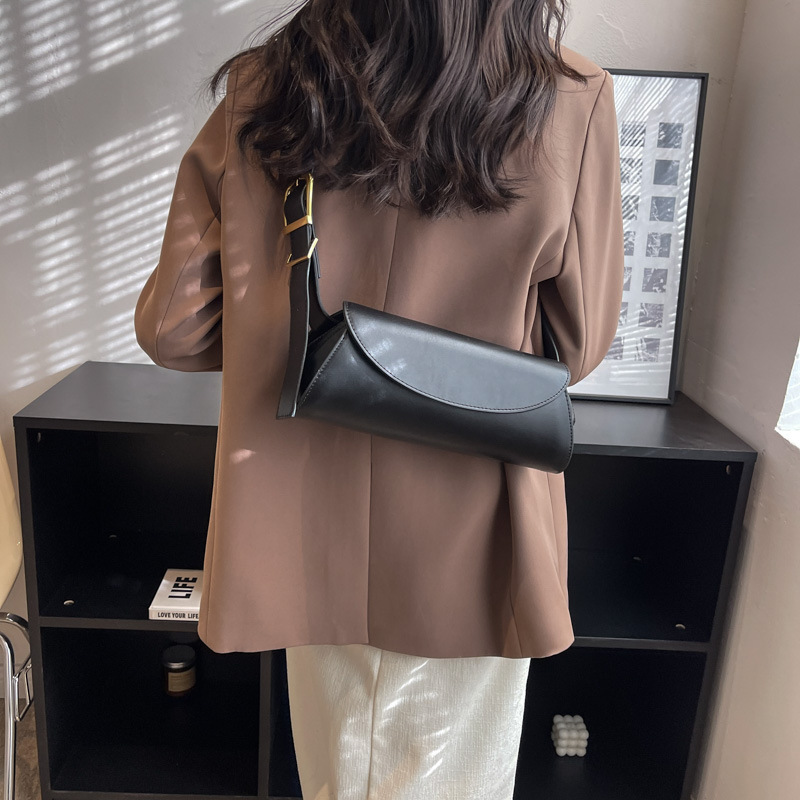
Private labeling allows brands to curate a distinct aesthetic and customer experience without the overhead of running a domestic factory. Crossbody bags are particularly suited to private labeling because they are universally popular, accommodate a wide price range, and can be differentiated through material choices, hardware, lining, and branding. A reliable manufacturing partner should offer design collaboration, sample prototyping, cost transparency, compliance support, and scalable production — all while protecting your brand’s intellectual property and ensuring consistent quality.
Design and Development: From Moodboard to First Sample
Design is the first critical phase for any private-label launch. PrinceBag Factory typically supports:
– Concept refinement: translating moodboards and trend references into technical sketches and 3D flats.
– Material sourcing: advising on leather (full-grain, top-grain, vegan options), PU and PVC synthetics, nylon, woven fabrics, and eco-friendly alternatives.
– Hardware selection: offering a range of zippers, clasps, buckles, and decorative elements in finishes such as matte, antique brass, gunmetal, and rose gold.
– Functional engineering: optimizing strap length, pocket placement, and closure systems for ergonomics and durability.
Design iteration is managed through clear tech packs including measurements, materials, tolerances, and labeling instructions. Rapid sample cycles (digital mockups, proto samples, and pre-production samples) help align expectations before committing to larger runs.
Manufacturing Capabilities and Quality Assurance
Manufacturing quality is where private-label projects stand or fall. Key capabilities to expect from a factory partner include:
– In-house cutting, stitching, and finishing departments to reduce coordination errors.
– Skilled artisans for leatherwork and hand-applied detailing.
– Dedicated QC lines that check dimensions, seam strength, colorfastness, hardware attachment, and overall finish.
– Batch testing for zipper cycles, strap tensile strength, and abrasion resistance.
PrinceBag Factory’s workflow typically blends human inspection with standard testing protocols. Buyers should request documented AQL (Acceptable Quality Level) standards, first-article inspections (FAI), and photographic or video proof during production milestones.
Costing, MOQs, and Lead Times
A successful private-label strategy balances unit cost against quality and lead time. Factors affecting cost include materials, hardware, complexity of construction, and order volume. Typical elements to discuss with PrinceBag Factory:
– Material grade: higher-grade leathers and premium hardware raise costs but can significantly improve perceived value and longevity.
– Custom tooling: bespoke hardware or molds require upfront tooling fees; amortize these over production runs.
– Minimum order quantities (MOQs): standard MOQs might range from a few hundred to a thousand units per SKU depending on complexity and materials; flexible MOQ options may exist for seasonal or test collections.
– Lead times: design-to-sample cycles can be 2–6 weeks; production lead times commonly range from 30–90 days depending on season, capacity, and order size.
Transparent cost breakdowns and a clear timetable are essential for forecasting price points, margin, and inventory planning.
Sustainability and Regulatory Compliance
Sustainable practices and compliance are increasingly important. PrinceBag Factory can assist with:
– Sourcing eco-certified materials (GOTS, recycled polyester, chrome-free leather processing).
– Chemical testing and certifications to meet EU REACH, CPSIA (U.S.), and other regional standards.
– Traceability practices for supply chain transparency.
Brands should request material certificates and test reports, especially for markets with strict regulatory requirements.
Packaging, Private Label Branding, and Value-Add Services
Packaging and branding are critical for end-customer perception. Value-added services include:
– Private-label labels, hangtags, dust bags, and custom packaging inserts.
– SKU-level UPC or GTIN setup and barcode printing.
– Pre-shipment inspection and consolidated logistics tailored to DTC (direct-to-consumer) or retail wholesale requirements.
PrinceBag Factory can coordinate OEM labeling and pre-shipment packing to retailer specifications, which reduces handling time and simplifies receiving processes for brand partners.
Logistics, Fulfillment, and Scalability
Getting product from factory to market requires robust logistics:
– Freight options: air for smaller, urgent runs; sea for cost-efficiency on larger volumes.
– Consolidation and drop-shipping: the factory can arrange consolidated shipments to warehouses or direct-to-consumer fulfillment centers.
– Inventory scalability: production scheduling and capacity planning reduce stockouts and allow for seasonal variability.
A thoughtful logistics plan considers landed cost, lead times, and distribution channels to match the brand’s go-to-market strategy.
Analysis Table — Crossbody Private Label Solutions Overview
| Feature | Private-Label Benefit | PrinceBag Capability | Estimated Cost Range | Time to Market (Typical) |
|---|---|---|---|---|
| Material Options | Differentiation via texture, weight, sustainability | Wide material sourcing: leather, vegan, woven, nylon | $2–$45+ per unit (materials only) | 1–3 weeks for sourcing & approval |
| Custom Hardware | Unique brand signature & perceived value | In-house fixtures + supplier network for bespoke pieces | $0.50–$8+ per piece (depending on finish) | 2–6 weeks (tooling may add time) |
| Minimum Order Quantities | Controls inventory & cost per SKU | Flexible MOQ programs; bulk discounts | MOQ varies: 200–1000 units/SKU typical | N/A (affects cost, not time) |
| Quality Control | Ensures brand reputation and reduces returns | Layered QC: inline checks, FAI, final inspection reports | Included / $0.10–$1 per unit for enhanced checks | Concurrent with production; 1–3 days per batch |
| Packaging & Branding | Brand experience & retail readiness | Private-label packaging, custom tags, dust bags | $0.50–$6+ per unit depending on packaging | 1–4 weeks for production of custom packaging |
Risk Management and Mitigation Strategies
Working with overseas or multi-facility partners introduces risks that must be actively managed:
– Intellectual Property Protection: Use non-disclosure agreements (NDAs) and register trademarks. Limit access to complete tech packs until trust is established.
– Quality Variability: Specify AQL standards, perform first-article inspections, and stage production approvals (e.g., 30/30/40 production releases).
– Lead Time Slippage: Build buffer time into product launches and use air freight for critical replenishment.
– Communication Gaps: Establish a single point of contact (SPOC) on both sides, use shared project management tools, and schedule regular checkpoints.
PrinceBag Factory can support many of these mitigations through standardized SOPs (standard operating procedures), documentation, and responsive account management.
Launching and Scaling a Private-Label Crossbody Line: Practical Steps
1. Market Validation: Test designs via small-batch runs or crowdfunding to gauge demand and collect customer feedback.
2. Tech Pack Finalization: Create detailed patterns, materials list, hardware specs, and labeling instructions.
3. Sample Approval: Iterate until you achieve acceptable fit, function, and finish.
4. Pre-Production Run: Produce a small pilot batch to validate processes, packaging, and logistics.
5. Full Production & QC: Move to scheduled production ramps with agreed QA checkpoints.
6. Distribution & Marketing: Coordinate timelines so product arrival aligns with campaigns, retail windows, or seasonal demand.
Working with a partner like PrinceBag Factory can streamline these steps by offering turnkey support from sample to shipment.
Choosing the Right Partner: Questions to Ask
Before committing, ask prospective factories:
– Can you provide references and production photos of similar projects?
– What are your standard MOQs and what flexibility exists for testing runs?
– What QA standards and certifications do you follow?
– How do you handle custom tooling and associated costs?
– What logistics and post-production services do you provide?
Clear answers will reveal capability alignment and help avoid surprises.
Partnering for Competitive Private-Label Success
Private-label women’s crossbody bags present a strong opportunity for brands to define a loyal customer base and command higher margins through distinctive design and consistent quality. A manufacturing partner that offers transparent costing, robust QC, flexible MOQs, and value-added services will be instrumental to that success. PrinceBag Factory’s comprehensive approach — from design collaboration and material sourcing to in-house production and packaging — allows brands to focus on marketing and retail while trusting manufacturing execution. Thoughtful upfront planning, clear technical documentation, and ongoing communication are the keys to turning initial concepts into market-ready collections that resonate with customers and scale with demand.
If you’re evaluating private-label partners, prepare a prioritized list of must-haves (materials, MOQ, lead times, certifications) and request a detailed proposal that includes sample timelines, cost breakdowns, and quality-control procedures. With the right partner and process in place, your crossbody collection can move from idea to best-seller with minimal friction and maximum brand integrity.