

PrinceBag has built its reputation on consistently delivering custom Backpacks and purses that meet the exacting demands of retailers, fashion brands, and corporate clients. As global supply chains evolve and buyers require faster turnaround, better quality, and more flexible customization, a factory like PrinceBag positions itself as more than a manufacturer — it’s a strategic partner. This article examines how PrinceBag Backpack Purse Factory operates as a custom high-quality wholesale supplier, exploring manufacturing capabilities, quality systems, customization options, sustainability practices, logistics, and what buyers should expect when forming a long-term partnership.
PrinceBag Backpack Purse Factory: Custom High-Quality Wholesale Supplier
Manufacturing Capabilities and Facility Overview
PrinceBag’s facility is configured to handle a wide spectrum of product complexity, from simple nylon daypacks to sophisticated leather handbags with metal hardware and multi-compartment interiors. The factory typically integrates cutting, stitching, assembly, and finishing under one roof to minimize lead time and maintain consistent quality control. Key machinery includes automated cutting tables, multi-needle sewing machines, heat-press equipment for logos and labels, and finishing stations for hardware assembly and waterproofing treatments.
A vertically integrated setup allows PrinceBag to manage critical inputs and respond quickly to design revisions. This vertical approach also helps stabilize cost structures for clients by reducing dependency on external subcontractors and lowering the risk of production bottlenecks.
Quality Control and Certifications
Quality assurance at PrinceBag is a multi-layered process. Incoming materials undergo a rigorous inspection for tensile strength, color fastness, and dimensional accuracy. During production, inline checks ensure seams, zippers, and attachments meet tolerance thresholds. Final inspection includes functional tests (e.g., load-bearing tests for backpack straps), cosmetic checks, and packaging verification.
PrinceBag often pursues internationally recognized certifications to reassure global buyers: ISO 9001 for quality management, BSCI/SMETA for social compliance, and specific material standards such as REACH or CPSIA conformity where relevant. These certifications streamline the compliance process for retailers selling in regulated markets.
Customization and Design Services
One of PrinceBag’s core differentiators is its customization capability. Services include:
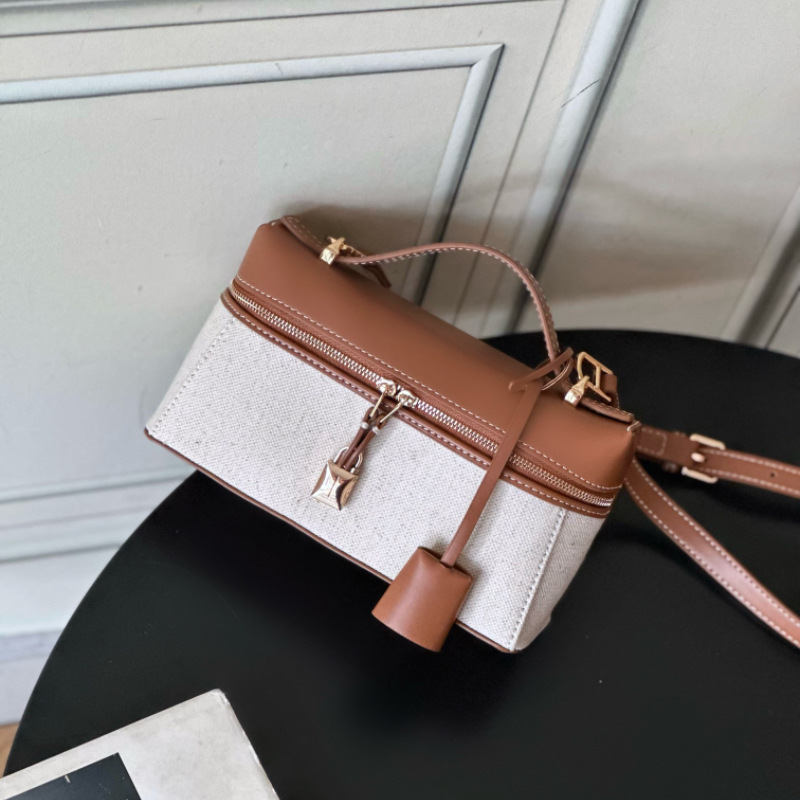
– Material selection: nylon, polyester, canvas, PU/cow leather, recycled materials.
– Hardware options: custom-branded buckles, D-rings, and zippers with different plating and finishes.
– Branding: woven labels, printed logos, embossing, debossing, and metal plaques.
– Color matching: Pantone-based color matching for fabrics and threads.
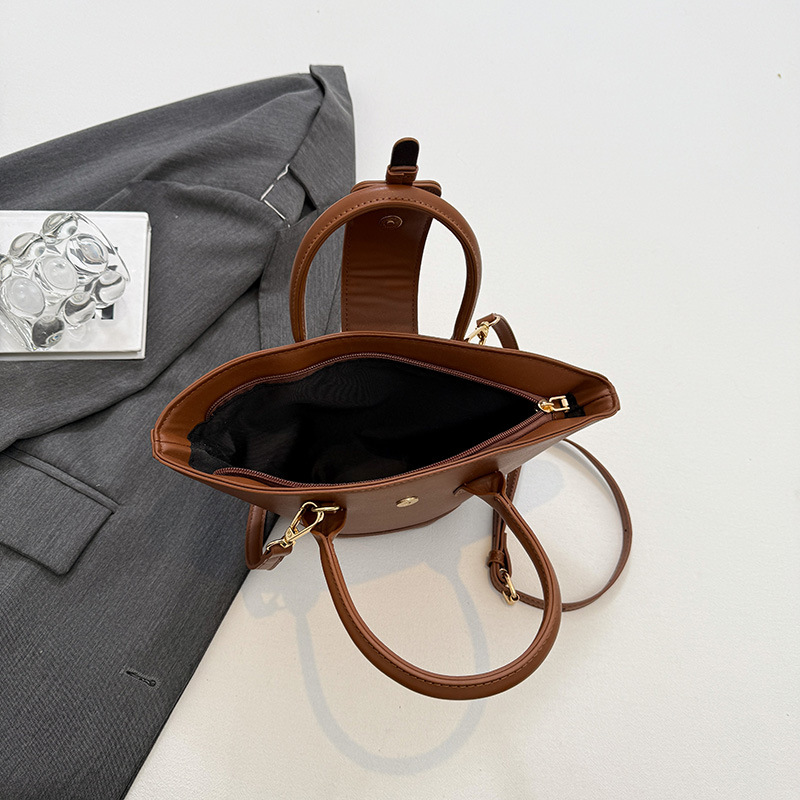
– Structural customization: custom inner compartments, laptop sleeves, tablet pockets, and ergonomic strap designs.
PrinceBag typically offers both OEM and ODM services. OEM clients provide their specs and brand details, while ODM clients can leverage PrinceBag’s in-house design team for concept development, tech packs, and prototyping. Rapid prototyping capabilities reduce time-to-sample, allowing buyers to evaluate multiple iterations before committing to bulk orders.
Pricing, Minimum Order Quantities (MOQs), and Lead Times
Price transparency is crucial in wholesale sourcing. PrinceBag tends to operate with tiered pricing models that reflect order volume, material choice, and customization complexity. MOQs vary by product and customization level — basic styles may have lower MOQs, while heavily customized designs requiring unique tooling or hardware might require larger commitments.
Lead times are influenced by seasonality, material availability, and order complexity. A typical timeline might be:
– Sample development: 7–21 days
– Material procurement: 7–30 days depending on availability
– Production run: 15–45 days depending on volume
For urgent orders, PrinceBag can often expedite certain stages through air freight for samples or partial shipments, though this adds cost.
Sustainability and Responsible Sourcing
Sustainability has become a purchasing criterion for many buyers, and PrinceBag has responded by integrating greener materials and processes. Recycled polyester and ocean-plastic blends, water-based PU coatings, and reduced-waste cutting patterns are increasingly part of the offering. The factory’s social compliance programs aim to ensure ethical labor practices, fair working hours, and safe working conditions—often documented through factory audits.
Buyers seeking sustainable credentials should verify traceability: request material certificates, ask for third-party verification, and include sustainability KPIs in supplier contracts.
Logistics, Packaging, and After-Sales Support
PrinceBag provides flexible packaging solutions tailored to retail or e-commerce channels. Options include folded with poly bags, hang tags, retail boxes, and customized packaging for gifting or promotional campaigns. For global distribution, the factory works with international freight forwarders and can handle DDU/DDP terms, consolidation services, and warehousing solutions.
After-sales support includes handling warranty claims for manufacturing defects, replacement parts for hardware, and quality dispute resolution. A clear returns and claims policy, combined with photographic evidence processes and inspection reports, reduces friction in post-shipment issues.
Client Profile and Use Cases
PrinceBag serves a diverse client base: private labels, brick-and-mortar retailers, online marketplaces, promotional merchandise buyers, and fashion brands. Typical use cases include:
– Retail seasonal collections requiring trend-driven designs and colorways.
– Corporate gifting programs needing branded, durable bags with quick turnaround.
– E-commerce sellers demanding consistent sizing, barcoding, and direct-to-consumer packaging.
Small brands benefit from lower MOQs for basic designs and access to the factory’s design team, while larger brands leverage the factory’s scale for consistent high-volume deliveries.
Risk Management and Business Continuity
A reliable supplier mitigates risks—material shortages, labor disruptions, and shipping delays. PrinceBag reduces risk by maintaining multiple material suppliers, investing in staff cross-training, and keeping buffer stock for high-demand items. During geopolitical or pandemic-related disruptions, transparent communication around potential delays and contingency plans is crucial. Buyers should include force majeure clauses and contingency KPIs in contracts to ensure alignment.
Analysis Table: PrinceBag Capabilities at a Glance
| Aspect | Capability | Typical MOQ | Lead Time (Sample → Bulk) | Notes |
|---|---|---|---|---|
| Material Options | Nylon, Polyester, Canvas, PU/Cow Leather, Recycled Fabrics | Low MOQ for standard fabrics; higher for specialty/recycled | 7–30 days for procurement | Pantone matching available |
| Customization | Hardware, Logos, Compartments, Colors | Depends on tooling—50–500 pcs | 7–21 days for samples; 15–45 days for production | ODM & OEM services; rapid prototyping |
| Quality & Compliance | ISO 9001, BSCI/SMETA, material testing | N/A | Ongoing inline and final inspections | Third-party audit support |
| Logistics | DDU/DDP, FOB, Consolidation, Warehousing | N/A | Shipping depends on destination (air/sea) | Packaging customization for retail/e-commerce |
| Sustainability | Recycled materials, water-based coatings, waste reduction | Higher MOQ for specialized eco-fabrics | Material-specific procurement timelines | Certificates & traceability available on request |
How to Evaluate PrinceBag as a Supplier
When vetting PrinceBag or similar factories, buyers should evaluate:
– Product fit: Request samples and check construction, functionality, and durability under real-use conditions.
– Communication: Assess responsiveness, clarity in tech packs, and willingness to document agreements.
– Cost structure: Get a detailed BOM (bill of materials) and quote that breaks down material, labor, and tooling.
– Compliance and ethics: Ask for audit reports, certificates, and policies on labor standards.
– Scalability: Ensure the factory can increase volume without sacrificing quality.
A visit to the factory—if feasible—or a third-party inspection provides additional confidence. For remote sourcing, detailed video calls, live walk-throughs, and sample inspections by an appointed agent are practical alternatives.
Common Challenges and Solutions
– Color Variance: Use strictly defined Pantone codes, provide physical color swatches, and sign off on pre-production samples.
– Hardware Lead Time: Pre-approve hardware options or source common components from the factory’s approved list to reduce delays.
– MOQ Constraints: Negotiate phased production, where initial smaller runs are priced higher but offset against future larger orders.
– Quality Disputes: Require a mutually agreed final inspection checklist and third-party inspection options before shipment.
Partnering for Long-Term Success
PrinceBag Backpack Purse Factory positions itself as a partner for brands seeking custom, high-quality wholesale backpacks and purses. By combining vertical integration, comprehensive customization services, and robust quality controls, PrinceBag can support both emerging brands and established retailers. The key to a successful partnership is clear communication, well-documented specifications, and a shared commitment to quality and delivery performance. For buyers focused on durability, design flexibility, and dependable supply, PrinceBag represents a supplier worth evaluating as part of a strategic sourcing plan.