


Cross-body women handbags remain one of the most practical and stylish accessory categories in global fashion. They combine hands-free convenience with strong aesthetic appeal, and when paired with a custom logo, they transform into powerful brand carriers. PrinceBag Factory Supply positions itself as a specialized manufacturer capable of delivering tailored cross-body handbags—from high-end leather pieces to affordable, durable synthetics—with scalable production, robust quality control, and flexible customization options. This article provides a professional, in-depth look at the product category, manufacturing considerations, customization methods, market positioning, and actionable guidance for buyers who want to source cross-body women handbags with custom logos from PrinceBag.
Market Trends and Demand Analysis
Cross-body handbags are favored across multiple demographics due to their practicality for commuting, travel, and everyday use. Recent market trends shaping demand include:
– Increasing demand for convenience and anti-theft features (zip closures, RFID-blocking pockets).
– Rising popularity of compact designs for urban living and minimalist lifestyles.
– Growth in personalized and branded items—especially for boutiques, corporate gifting, and influencer merchandise.
– A shift toward sustainable materials and transparent supply chains.
Retailers and private brands are leveraging custom logos to strengthen brand recognition. Customization turns functional accessories into marketing tools that drive repeat purchases and social media visibility. PrinceBag’s factory supply model can serve startups and established brands alike by offering low to medium minimum order quantities (MOQs), varied materials, and a range of customization techniques.
Design Considerations for Cross-body Women Handbags
Design is where functionality meets style. Key considerations include:
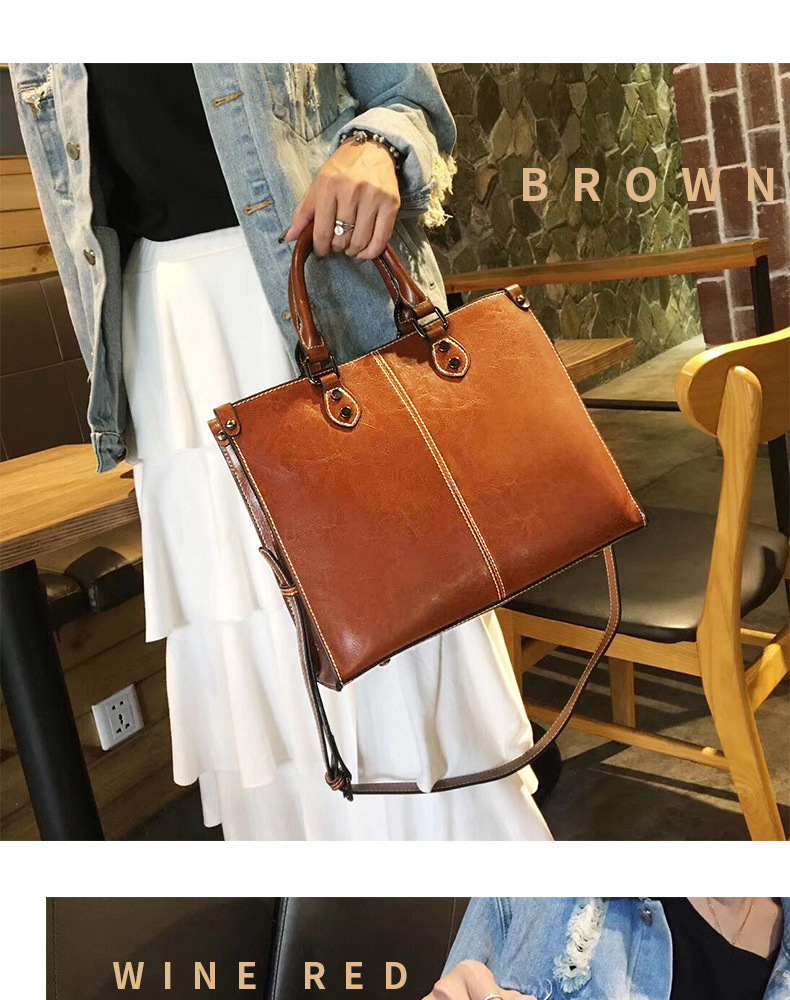
– Size and Capacity: Cross-body bags typically range from mini (card + phone) to medium (wallet + tablet). Define target use to determine dimensions.
– Strap Design: Adjustable, detachable, padded, or chain-straps change the bag’s utility and fashion position.
– Hardware: Zippers, buckles, D-rings, and metal plates affect durability and perceived value. Opt for nickel-free or brass-plated hardware for longevity.
– Compartments and Organization: Internal pockets, card slots, key leashes, and external pockets enhance usability.
– Closure Type: Zippers, magnetic snaps, flap closures—each offers different levels of security and style.
– Weight Distribution: Reinforced seams and quality linings prevent sagging and maintain shape over time.
– Aesthetics: Stitching patterns, piping, edge paint, quilting, and embossed textures contribute to brand identity.
PrinceBag’s design team can assist with technical sketches, 3D mock-ups, and prototype iterations to ensure the final product balances aesthetic goals with manufacturing feasibility.
Custom Logo Implementation Options
Custom logos can be applied using several methods, each with different cost, durability, and aesthetic outcomes:
– Embossing / Debossing: Works well on genuine leather and synthetic leathers. Offers a subtle, high-end look. Low maintenance and long-lasting.
– Metal Badges / Plates: Metal logo plates riveted to the bag communicate premium branding. Plates can be customized in shape, finish (matte, polished, gold), and engraving.
– Heat Transfer Printing: Cost-effective for complex multicolor logos on fabrics and synthetic materials. Less durable on leather.
– Screen Printing: Ideal for canvas or textile cross-bodies. Good for bold, flat-color logos.
– Woven Labels and Leather Tags: Sewn-on labels for a handcrafted aesthetic. Can include woven brand names or debossed leather tags.
– Embroidery: Adds texture and depth but increases cost and may affect bag flexibility.
– Laser Engraving: Precise and permanent on certain materials (some synthetics and coated leathers).
Choosing a method depends on volume, budget, brand positioning, and material. PrinceBag can provide mock-ups and small-batch samples for approval.
PrinceBag Factory Supply: Production Capabilities & Quality Control
A reliable supplier must combine technical capability with rigorous quality checks. PrinceBag offers:
– Production Capacity: Multiple production lines able to handle small-batch runs (low MOQs) through high-volume orders.
– Prototyping: Rapid prototyping to evaluate materials, dimensions, and logo treatments before full production.
– Tooling and Mold Management: In-house or partnered tooling for hardware, plates, and specialty components.
– Quality Control (QC): Incoming material inspection, inline inspections during assembly, and final AQL checks (commonly AQL 2.5 or as agreed). Photo reports and third-party inspection options available.
– Certifications: Compliance with relevant standards (ISO manufacturing practices, material safety standards like REACH where applicable).
– Traceability: Batch-level traceability for materials and components to support transparency and ESG reporting.
These capabilities help reduce the risk of defects, ensure consistent product quality, and provide predictable lead times for buyers.
Analysis Table: Material and Production Comparison
| Material | Minimum Order Quantity (MOQ) | Typical Lead Time (Production) | Customization Options | Price Range (per unit, FOB) |
|---|---|---|---|---|
| Genuine Leather (Cowhide) | 200–500 pcs | 45–70 days | Embossing, metal plates, stitching contrasts | $30–$80 |
| PU Leather (Vegan) | 100–300 pcs | 30–50 days | Heat transfer, debossing, printing | $12–$35 |
| Canvas | 100–500 pcs | 25–45 days | Screen print, embroidery, woven labels | $8–$25 |
| Nylon / Technical Fabric | 100–300 pcs | 20–40 days | Heat transfer, sewn-on patches, laser-cut badges | $7–$22 |
| Eco-Leather / Recycled Materials | 200–500 pcs | 30–60 days | Debossing, printed labels, recycled hardware | $15–$45 |
(higher volumes often reduce per-unit cost; the table provides typical ranges—actual quotes depend on specs)
Sourcing, Pricing Strategy, and Cost Breakdown
Price is driven by raw materials, hardware complexity, labor, and finishing processes. Typical cost components:
– Materials: Leather or fabric, lining, interfacing, thread.
– Hardware: Zippers, buckles, adjustable strap hardware, metal logos.
– Labor: Cutting, sewing, assembly, QC.
– Overhead: Factory operations, tooling amortization.
– Customization: Cost of logo plates, embossing dies, printing screens.
– Packaging: Custom boxes, dust bags, hangtags.
– Freight and Duties: Shipping (air/sea), insurance, customs duties.
Pricing strategies:
– Positioning: Premium brands might accept higher cost-per-unit for leather and metal logos; direct-to-consumer (DTC) brands often pursue mid-tier quality with higher margins.
– Tiered SKUs: Offer a basic canvas model and an upgraded leather model with the same logo to capture different customer segments.
– Volume Discounts: Negotiated price breaks at larger MOQs.
PrinceBag provides detailed quotes, sample costs, and assists with cost optimization (material substitutions, simplified hardware).
Packaging & Branding Opportunities
Packaging completes the brand experience. Options include:
– Custom Rigid Boxes: Premium unboxing experience with printed logos and inserts.
– Dust Bags: Branded dust bags increase perceived value and protect the product.
– Hang Tags and Care Cards: Communicate brand story, materials, and care instructions.
– Eco-Packaging: Recycled boxes and minimal plastic to align with sustainability goals.
PrinceBag can coordinate packaging design and printing, ensuring that the outer packaging aligns with the handbag’s brand positioning.
Sustainability and Ethical Production
Sustainability is a growing purchase driver. Key actions PrinceBag can support:
– Material Choices: Offer recycled nylon, certified leather, or plant-based alternatives.
– Chemical Management: Comply with restricted substance lists (RSLs) and relevant regulations.
– Social Compliance: Maintain transparent labor practices and factory audits.
– Waste Reduction: Optimize cutting patterns and recycle scrap materials where possible.
Brands increasingly require supply chain transparency; PrinceBag can provide documentation and traceability to meet these requirements.
Marketing and Go-to-Market Strategies
For brands sourcing cross-body handbags:
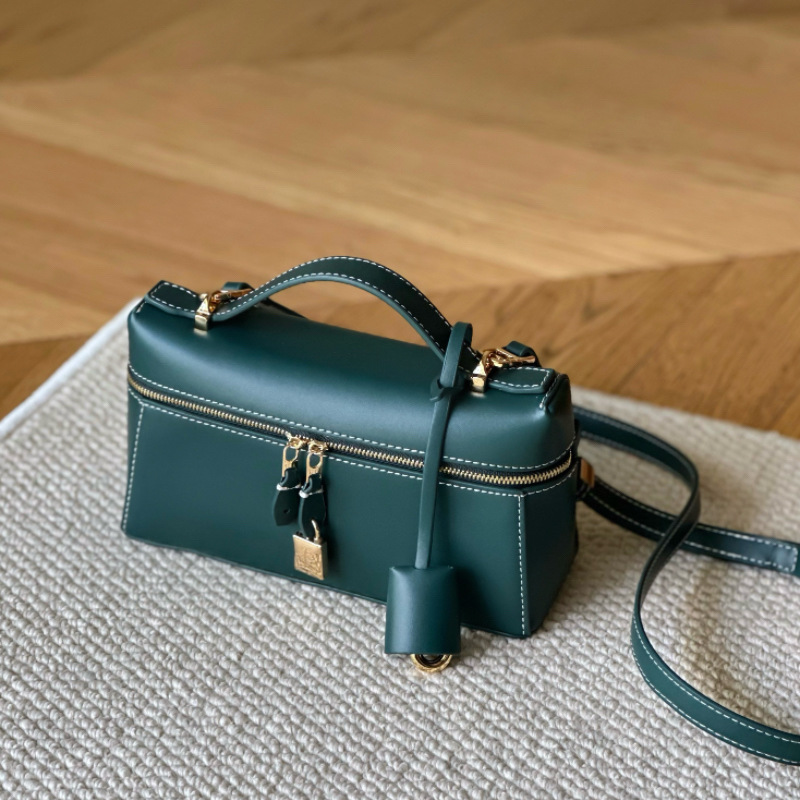
– Launch Strategy: Use high-quality product photography, influencer partnerships, and pre-order campaigns to gauge demand.
– Wholesale: Approach boutiques and department stores with tiered pricing and marketing support.
– E-commerce: Optimize product pages for mobile shoppers and highlight customization and logo branding options.
– Corporate and Event Gifting: Offer limited runs with company logos for conferences, employee gifts, and promotional programs.
– Seasonal Collections: Release seasonal colorways or limited-edition collaborations to maintain relevance.
A clear value proposition—durability, design, or sustainability—helps differentiate products in a crowded market.
Logistics, Lead Times, and After-sales
Managing logistics is crucial to meet market calendars:
– Lead Times: Factor in prototyping (1–3 weeks), tooling (2–6 weeks), production (2–10 weeks), and shipping (2–6 weeks sea freight).
– Shipping Options: Sea freight for cost efficiency; air freight for urgent restocks.
– Warehousing: Consider fulfillment centers near target markets to reduce last-mile costs.
– Returns and Warranty: Define policies for defects, color discrepancies, and wear issues. Clear care instructions reduce return rates.
PrinceBag can coordinate freight forwarding and storage solutions, or work with buyers’ logistics partners.
Case Studies and Use Scenarios
– Boutique Brand Launch: A new DTC brand partners with PrinceBag to produce a compact cross-body in vegan leather with embossed logo—small MOQ, rapid prototyping, and a first run of 300 units for a social media-driven launch.
– Corporate Gifting: A corporation orders 1,000 canvas cross-bodies with embroidered logos for a wellness retreat—PrinceBag manages production and bulk gift packaging.
– Retailer Private Label: A regional retailer contracts PrinceBag for a seasonal line—multiple SKUs in canvas and PU leather with metal logo plates for a higher perceived value.
PrinceBag’s value lies in technical support, robust manufacturing processes, and the ability to adapt to different brand strategies.
Cross-body women handbags with custom logos offer a compelling combination of function and brand storytelling. PrinceBag Factory Supply presents an integrated solution: design support, multiple material options, scalable production, and diverse branding methods—from embossing to metal plates. Whether you’re launching a niche fashion label, sourcing corporate gifts, or expanding retail product lines, a clear specification, sample approval, and transparent communication with your factory partner are the keys to success. By understanding material trade-offs, cost drivers, and logistics timelines, brands can confidently bring well-crafted, logo-branded cross-body handbags to market—delighting customers and enhancing brand recognition in a competitive landscape.