

crossbody bags for women remain one of the most versatile and commercially successful categories in fashion accessories. They combine practicality—hands-free carrying and secure closure—with style elements that can be tailored to diverse customer segments: urban commuters, travelers, students, luxury shoppers, and trend-driven consumers. For brands and retailers seeking to launch or expand a bag line, working with a skilled OEM manufacturer like PrinceBag Factory can transform design concepts into market-ready products while controlling cost, quality, and brand identity.
This article provides a professional, in-depth look at custom crossbody bag manufacturing at PrinceBag Factory. It covers design and material options, production workflow, quality control, costs and lead times, sustainability considerations, and practical recommendations for buyers who want to achieve high-quality, competitively priced private-label products.
Why Choose an OEM Partner Like PrinceBag Factory?
Working with a reputable OEM manufacturer brings several advantages:
– Concentrated expertise: Dedicated factories specialize in leatherwork, textiles, and small-leather goods production, ensuring consistent construction and finishing standards.
– Scale and efficiency: Established production lines, vendor relationships for components (zippers, hardware, linings), and experienced technicians reduce time-to-market and unit cost.
– Customization flexibility: OEM partners support a wide range of custom options—materials, hardware plating, strap types, internal organization, and branding methods (labels, embossing, metal logos).
– Quality assurance systems: In-house QC and capabilities to meet international standards (if applicable) protect brand reputation.
PrinceBag Factory positions itself as a full-service OEM partner for custom women’s crossbody bags, offering end-to-end services from concept sketches to delivery and after-sales support.
Design and Product Development
Concept to Prototype
The product development pipeline typically follows these stages:
– Concept briefing: Client provides mood boards, target consumer profile, sketches, or references.
– Technical design: Patterns, dimensions, and internal construction plans are drawn. Engineers check hardware load points and strap ergonomics.
– Material selection: Samples of leather, PU, coated canvas, fabrics, linings, and hardware finishes are evaluated.
– Prototype: One or more physical samples are produced for fitting, function checks, and visual approval.
– Pre-production adjustments: Feedback is incorporated and final tech packs are issued.
PrinceBag Factory emphasizes rapid prototyping and iterative sample revisions to reduce the number of production corrections later, saving time and costs.
Key Design Elements for Women’s Crossbody Bags
– Size and proportion: Mini, medium, and oversized styles serve different use cases. Designers balance capacity with silhouette.
– Strap design: Fixed, adjustable, chain, or woven straps affect comfort and aesthetic.
– Closure systems: Magnetic snaps, zippers, flap-and-lock, and drawstrings each offer distinct security and style.
– Internal organization: Pockets, card sleeves, key holders, and removable pouches increase functionality.
– Finish and detailing: Edge painting, piping, piping color contrasts, and decorative stitching elevate perceived value.
Materials & Components: Options and Considerations
Exterior Materials
– Genuine leather (full-grain, top-grain, split leather): Premium feel, durability, and aging characteristics. Cost varies widely.
– PU leather: Affordable, consistent color, and increasingly high-quality finishes that mimic leather.
– Coated canvas: Durable and print-friendly for logos and patterns.
– Technical fabrics: Lightweight, water-resistant options for sporty or travel-oriented models.
Hardware & Trims
Hardware choices (zippers, clasps, rings, buckles, rivets) significantly impact price and longevity. Plating options include gold, silver, antique finishes, and custom enamel. PrinceBag Factory sources hardware from qualified suppliers and can produce custom molds for unique logo plates or branded buckles.
Linings & Internal Components
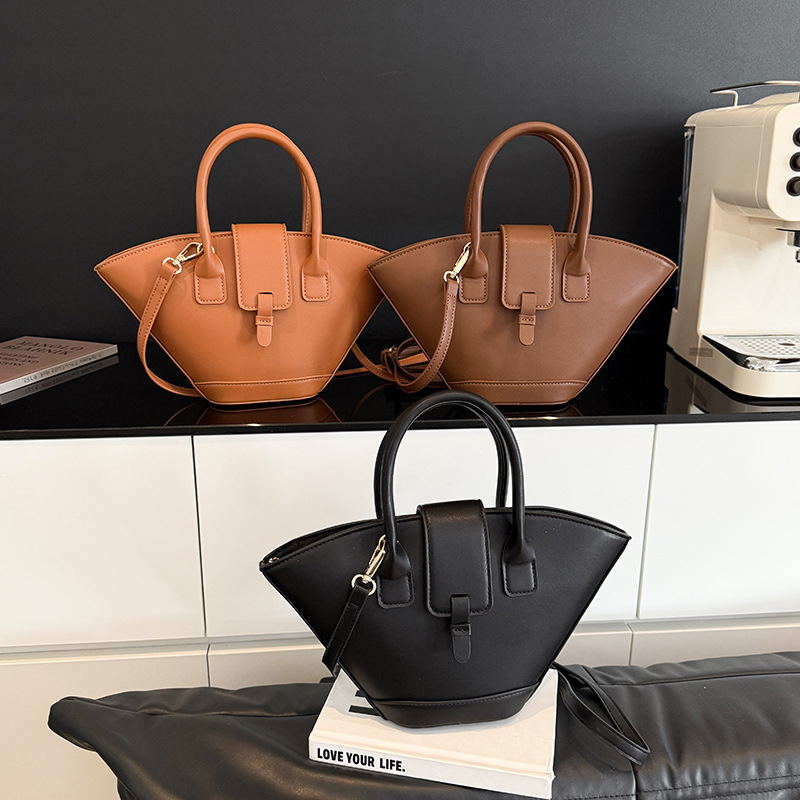
Lining materials—polyester, nylon, jacquard-branded fabric—should balance durability and tactile quality. Reinforcement materials such as interfacing, foam, and board structure maintain bag shape and protect contents.
Production Workflow and Capacity
Typical OEM Production Stages
– Pre-production meeting (PPM): Finalize tech packs, color codes, component lists, and inspection criteria.
– Material procurement: Order and quality-check raw materials and trims.
– Cutting and skiving: Precision cutting and edge preparation for leather and fabrics.
– Sewing and assembly: Skilled operators assemble panels, install hardware, and stitch details.
– Finishing: Edge coating, burnishing, and surface treatments.
– Inspection and packing: QC checks for defects, measurement tolerances, and packaging arrangement.
PrinceBag Factory’s production lines are organized by style families and complexity to optimize throughput. They report capabilities for small to medium-high volume runs with flexible MOQ thresholds depending on materials and finishing complexity.
Quality Assurance and Certifications
A robust QA program typically includes incoming material inspection, in-line checks during assembly, finished-goods inspection (AQL standards), and packaging verification. PrinceBag Factory supports:
– AQL sampling protocols for visual and functional defects.
– Testing for colorfastness, seam strength, and hardware durability.
– Documentation for regulatory compliance (e.g., phthalate tests for PVC/PUs, REACH-related documentation where applicable).
Brands should request QC checkpoints and third-party inspection options for large orders.
Pricing, MOQ, and Lead Times
Cost Drivers
– Material selection: Genuine leather and premium hardware increase unit cost.
– Complexity: Multiple compartments, bespoke hardware, and intricate stitching raise labor hours.
– Volume: Higher volumes typically reduce per-unit cost due to economies of scale.
– Custom tooling: Molds for hardware or embossing plates carry upfront tooling fees.
Typical Minimum Order Quantities (MOQ)
MOQs vary by factory and product complexity. PrinceBag Factory offers tiered MOQs:
– Standard basic styles: Lower MOQ (e.g., 100–300 pcs per color).
– Complex or bespoke designs: Higher MOQ (e.g., 500–1,000+ pcs) depending on tooling and material minimums.
Lead Times
– Sampling: 7–21 days depending on complexity and material availability.
– Production run: 30–75 days from payment of deposit to completion, influenced by factory schedule and supply-chain constraints.
– Rush orders: Possible with premium pricing and confirmed material inventory.
Sustainability and Responsible Manufacturing
Sustainability increasingly shapes buyer decisions. Key actions for a responsible OEM partner include:
– Using certified sustainable materials (e.g., recycled fabrics, responsibly sourced leather).
– Reducing waste through optimized nesting and offcut recycling.
– Chemical management to meet international standards.
– Transparent supply chain practices and worker welfare compliance.
PrinceBag Factory can support eco-friendly options such as recycled linings, water-based adhesives, and reduced-plastic packaging solutions on request.
Packaging, Labeling, and Branding Options
Packaging affects brand perception and can be customized—dust bags, branded boxes, swing tags, and care cards. Labeling methods provided by OEMs typically include:
– Woven or printed fabric labels.
– Embossed or debossed leather tags.
– Metal logo plates or engraved hardware.
– Custom hangtags and barcode labeling for retail.
Logistics and Shipping
Freight planning must be considered early. Options include:
– Air freight for small, high-value or urgent orders.
– Sea freight for larger, cost-sensitive shipments.
– DDP/DDU arrangements to manage customs and duty.
PrinceBag Factory supports FOB and DDP shipping terms and can coordinate consolidation services for multi-style orders.
Working with PrinceBag Factory: Practical Steps
– Prepare a detailed brief: Target market, price positioning, desired materials, and reference images.
– Request a tech pack: Include measurements, materials, hardware specifications, and tolerances.
– Approve samples and PPM: Confirm all functional and aesthetic details before production.
– Sign an OEM agreement: Clarify IP ownership, tooling fees, payment schedule, lead times, and penalties for delays.
– Plan logistics: Confirm packaging, labeling, and shipping terms.
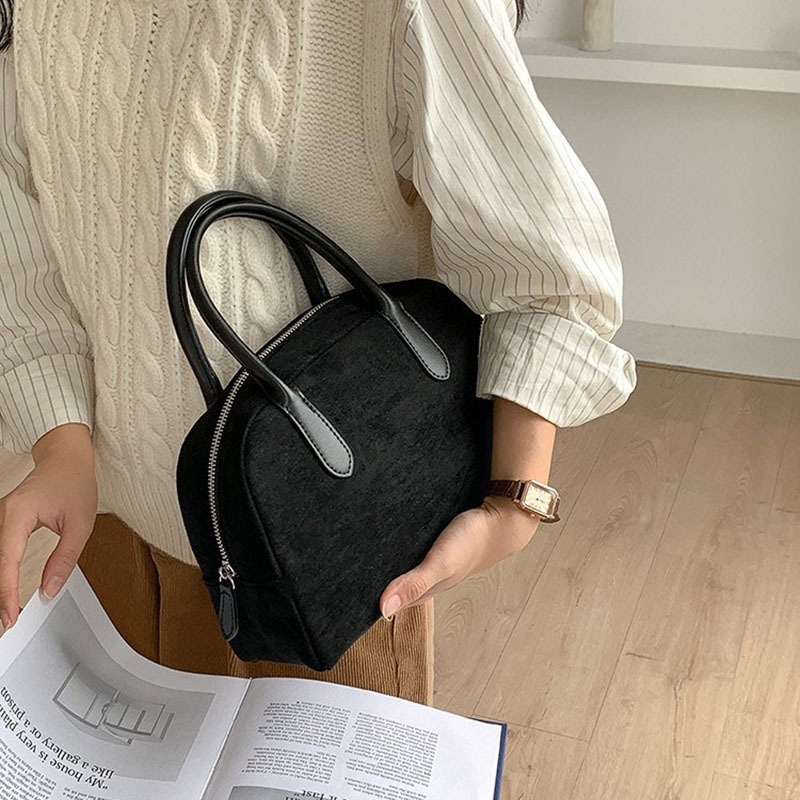
Analysis Table: Comparative Production Attributes
| Feature | PrinceBag Offering | Typical Materials | MOQ (Estimate) | Lead Time (Production) |
|---|---|---|---|---|
| Basic PU Crossbody | Cost-effective, standard hardware, 3 colorways | PU leather, polyester lining, nickel-plated hardware | 100–300 pcs | 30–45 days |
| Premium Leather Crossbody | Full/top-grain leather, custom stitching, edge paint | Top-grain leather, cotton/viscose lining, brass hardware | 200–500 pcs | 45–75 days |
| Printed/Pattern Canvas | Custom prints, water-resistant coatings | Coated canvas, nylon lining, branded zipper | 300–600 pcs | 35–60 days |
| Tech/Travel Crossbody | Multiple pockets, RFID options, custom straps | Ripstop nylon, foam interfacing, YKK zippers | 150–400 pcs | 40–65 days |
| Luxury Hardware Customization | Custom metal logos, plated finishes, enamel | Metal alloys, plating options, leather backing | 500+ pcs (tooling dependent) | 60–90 days (including tooling) |
Design and Sourcing Tips for Brands
Start with a Clear Target Customer
Define use-case scenarios, price points, and style cues. This guides choice of materials and functionality.
Balance Aesthetics with Function
Small features—well-placed pockets, secure closures, adjustable straps—affect customer satisfaction more than decorative elements alone.
Request Multiple Material Swatches
Physical swatches reveal color, hand-feel, and performance traits that digital images cannot fully convey.
Plan for Scalability
Design with production constraints in mind; highly intricate handwork can look beautiful but may be difficult to scale affordably.
Common Challenges and How PrinceBag Factory Addresses Them
– Color matching: Use Pantone references and provide approved pre-production samples to lock colors.
– Hardware lead time: Keep backup hardware options and plan early for custom molds.
– Quality variation: Implement strict incoming inspection and inline QC to ensure consistent workmanship.
– Communication gaps: Maintain a single point of contact and regular updates during sample and production phases.
Partnering for Success
Custom crossbody bags for women present a strong opportunity for brands that want a combination of everyday utility and style. Choosing an OEM partner like PrinceBag Factory can streamline the journey from concept to shelf by offering material expertise, flexible production capacity, comprehensive QC, and an array of customization options.
For brands aiming to launch or expand a private-label bag line, the keys to success are clear briefs, iterative sample approval, realistic lead-time planning, and close coordination on quality and packaging. When these components are managed well, an OEM partnership can deliver standout products that resonate with customers while protecting margins and brand integrity.