


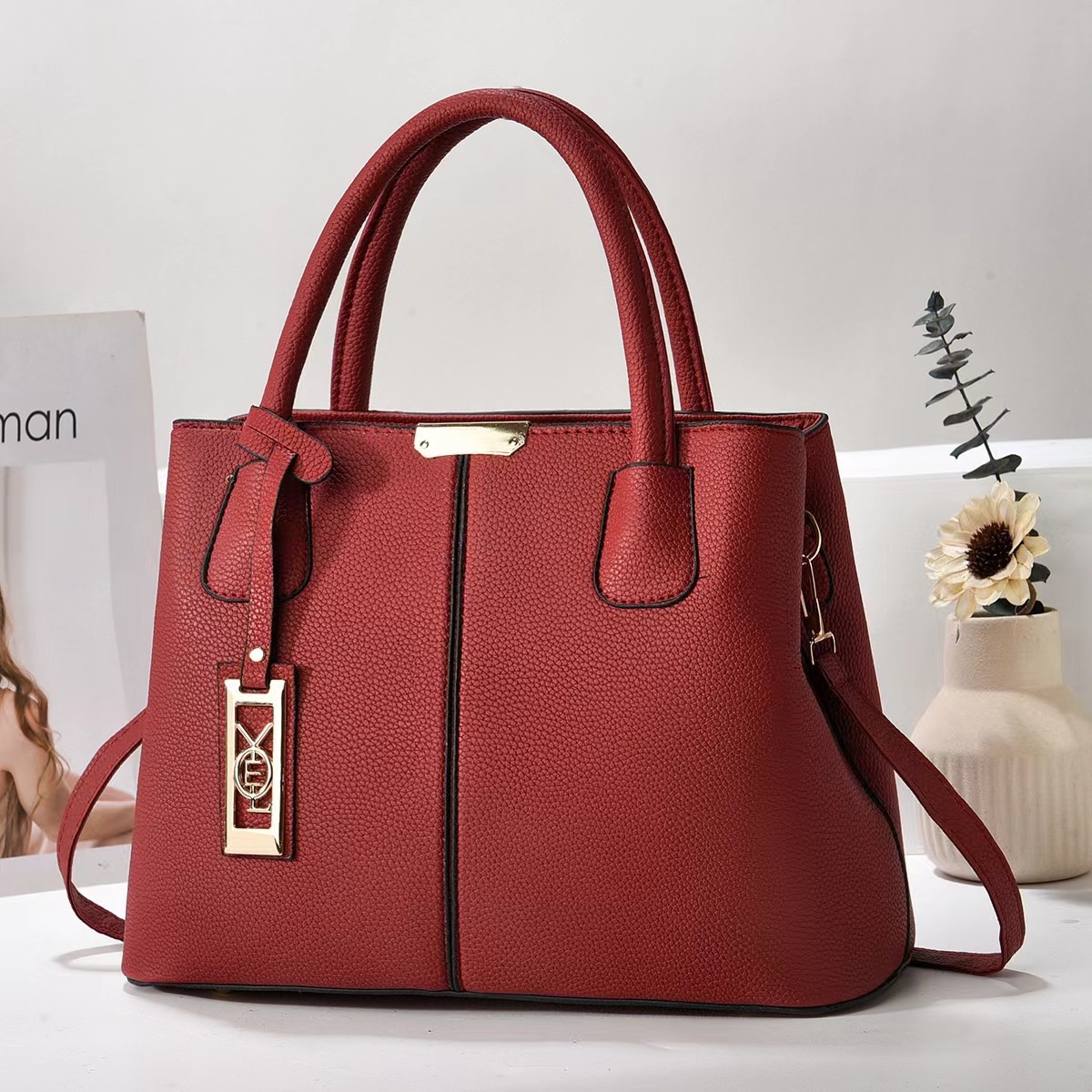
Custom Design Genuine Leather handbags PrinceBag Factory Supply positions itself at the intersection of traditional craftsmanship and modern, scalable factory production. In today’s competitive fashion and accessory market, brands and retailers increasingly seek partners who can deliver high-quality, customizable leather goods with consistent lead times, competitive pricing, and verifiable ethical practices. This article explores the essential elements of producing custom genuine leather handbags at factory scale — from material selection and design workflow to manufacturing best practices, quality control, supply chain logistics, and go-to-market strategies — with a specific focus on what makes an ideal factory supplier like PrinceBag attractive to designers, boutiques, and large retailers.
Understanding Genuine Leather: Types and Trade-offs
The Leather Spectrum: Full-Grain to Split
Genuine leather is a broad term that often causes confusion. It’s important to differentiate among the common categories:
– Full-grain leather: highest quality, retains the natural grain and patina, best durability and aging behavior. Higher cost and limited availability, especially for consistent hides.
– Top-grain leather: slightly sanded or corrected surface; more uniform appearance, still high-quality and less expensive than full-grain.
– Corrected-grain (finished) leather: treated to remove imperfections and embossed for uniformity. Useful for high-volume, cost-sensitive lines.
– Split leather and bonded leather (including PU/coated variants): economical but with lower longevity and less prestige.
A factory like PrinceBag should provide transparency about leather grades, sourcing, and testing — crucial for buyers targeting premium segments.
Material Sustainability and Traceability
Modern buyers care about sustainability. Ethical sourcing, tanning processes (chrome vs. vegetable), water treatment, and traceability from tannery to finished product are all differentiators. A factory supply partner should offer certifications or detailed reports (e.g., LWG — Leather Working Group) and be able to trace leather origins to reduce reputational risk for brands.
Design and Customization Workflow
Collaborative Design Process
Custom design requires a streamlined workflow between the designer and factory:
1. Concept brief: brand mood board, functional requirements, target price point.
2. Technical drawings & specifications: dimensions, construction details, hardware, lining, stitch counts, and tolerances.
3. Material samples: leather swatches, lining fabrics, zippers, and metal hardware finishes.
4. Prototypes: from hand-made samples to pre-production (PP) samples for validation.
5. Fit & function testing: real use-case testing, load-bearing checks, and wear trials.
6. Production sign-off and tooling: die patterns, molds, and hardware molds for repeatable production.
PrinceBag’s competitive advantage rests on a design-to-production pipeline that minimizes iteration time while ensuring design intent is preserved.
Customization Options That Add Value
Customization isn’t just color selection. High-value options include:
– Custom hardware finishes and engraved logos
– Unique strap configurations and modular attachments
– Interior organization tailored to customer lifestyles (tech sleeves, pockets, RFID protection)
– Monogramming, embossing, and limited-edition treatments
– Special edge-painting or hand-burnished edges for premium lines
Offering a library of modular components reduces tooling cost and accelerates time-to-market while enabling meaningful differentiation.
Manufacturing Excellence: Process, Equipment, and Capacity
Key Manufacturing Processes
A robust factory must master a set of core processes:
– Cutting: die-cut or CAD-guided automatic cutting for consistency.
– Skiving and edge finishing: ensures clean profiles and correct thickness at joins.
– Stitching: high-quality machines and experienced operators for consistent stitch density and tension.
– Lasting and assembly: skilled artisans for structured bags.
– Hardware setting and plating: in-house plating capabilities or trusted sub-suppliers.
– Finishing: edge painting, buffing, and protective treatments.
– Final inspection and packaging.
Balancing automation with artisan skill is critical. Automation reduces variance on high-volume items; handwork preserves premium character where it matters.
Capacity Planning and Lead Times
Factories must be transparent about minimum order quantities (MOQs), typical lead times (prototype to production), and surge capacity. A reliable supplier provides realistic timelines for sampling (2–4 weeks), small-batch production (6–10 weeks), and large orders (8–16 weeks), depending on complexity. For brands requiring fast replenishment, keeping buffer stock or working with made-to-order models using standardized components can improve responsiveness.
Quality Control and Assurance
QC Procedures Across Production Stages
Quality control should be woven into every production stage:
– Incoming material inspection: checks for hide defects, color consistency, and tensile properties.
– In-process checks: stitch counters, seam strength tests, and dimensional verification.
– Pre-shipment inspection: sample-based inspections for defects, hardware function, and packaging integrity.
– Third-party testing: durability tests (abrasion, colorfastness), chemical testing, and compliance checks.
Documented corrective action procedures and statistical quality control metrics (defect per million, PPM) are essential for continuous improvement.
Supply Chain and Logistics
Sourcing Strategy
A dependable factory supplier sources not only leather but lining fabrics, zippers, adhesives, and hardware. Diversified suppliers reduce single-point risks. A best-practice setup involves a mix of in-house capabilities and vetted suppliers with regular audits and buffer inventory for critical components.
Freight, Customs, and Packaging
Logistics matters: packaging design affects shelf appeal and protection during transit. Factories should offer packaging solutions aligned with brand expectations (gift boxes, dust bags, branded tissue) and optimized for freight cost and customs compliance. Clear documentation for customs classification and HS codes helps prevent delays.
Costing, Pricing, and Commercial Terms
Transparent Cost Breakdowns
Buyers should request detailed cost breakdowns covering materials, labor, overhead, tooling, and QA. Economies of scale often reduce unit cost once tooling and pre-production are amortized. Transparent pricing creates trust and facilitates longer-term partnerships.
Negotiation Points
Key commercial levers include:
– MOQ flexibility for seasonal testing
– Payment terms (deposit, balance on shipment)
– Price protection for multi-season contracts
– Penalties or safeguards for late delivery
– Intellectual property protections and non-disclosure agreements
Marketing and Positioning for Custom Leather Handbags
Brand Story and Craftsmanship Messaging
High-quality leather handbags sell on story and craft. Brands should highlight:
– Leather origin and grade
– Artisanship and factory standards
– Customization options (monograms, colorways)
– Sustainability measures and certifications
Telling the manufacturing story with imagery of the production process and the people behind the product increases perceived value.
Channels and Launch Strategies
Multiple channels are effective for premium handbags:
– Direct-to-consumer eCommerce with strong photography and product pages
– Wholesale partnerships with curated boutiques
– Pop-up events to allow tactile product experience
– Influencer collaborations and PR placements in fashion outlets
For custom or limited collections, scarcity messaging and pre-orders can manage production risk and cash flow.
Case Study: From Concept to Shelf — A Hypothetical Collaboration
Imagine a designer working with PrinceBag to launch a capsule line. The collaboration proceeds as follows:
1. Initial consultation to align on design language and MOQ.
2. Material selection: top-grain pebble leather chosen for balance of luxury and cost.
3. Prototype development: two iterative samples refined in four weeks.
4. Small-batch launch: 300 units produced with custom brushed hardware.
5. Pre-launch marketing: influencers provided prototype for photography and unboxing content.
6. Post-launch: feedback loop led to a minor interior pocket adjustment, implemented in the next production run.
This iterative, cooperative model reduces time-to-market and improves product-market fit.
Analysis Table: Key Factors in Choosing a Factory Supplier
FactorWhat to InspectImpact on ProductTypical Range / ExampleRecommended StandardLeather GradeOrigin, full/top/corrected, finishDurability, look, priceFull-grain (high-end) / Top-grain (mid-high) / Corrected (mid)Top-grain or better for premium bagsMOQ & Lead TimeMinimum order, prototype time, production cyclesCash flow, speed to marketMOQs: 50–300 units; Lead time: 6–16 weeksMOs flexible; clear timelines with bufferQuality ControlInspection regimes, testing labsReturn rates, brand reputationPPM targets (100–500); third-party testsDocumented QC, 3rd-party testing availableSustainabilityCertifications, tanning processes, waste handlingBrand positioning, compliance riskLWG Certified tannery / veg-tan or low-chromeTraceable sourcing and LWG complianceCustomization CapabilityHardware, finishing, embroidery, monogrammingProduct differentiation, perceived valueIn-house plating / 3rd-party hardware partnersRobust library of options; fast prototyping
Risks and Mitigation Strategies
– Supply disruptions: Maintain multiple suppliers and buffer stock for critical components.
– Quality variance: Implement strict incoming material checks and in-line inspections; use statistical process control.
– Intellectual property leaks: Use NDAs, limit pattern distribution, and track tooling ownership.
– Regulatory compliance: Stay current with chemical and product safety regulations (e.g., REACH, CPSIA for children’s products).
– Currency and freight volatility: Negotiate shared-risk clauses or use hedging strategies.
How PrinceBag Factory Supply Differentiates
A credible factory partner combines technical expertise, transparent processes, and the flexibility to serve both niche designers and larger retailers. Key differentiators to look for in PrinceBag-type suppliers include:
– Strong design support and rapid prototyping capabilities.
– Clear traceability and sustainability reporting.
– Flexible MOQs and scalable production lines.
– Integrated quality assurance processes and third-party testing options.
– Competitive pricing with predictable lead times.
Practical Checklist for Brands Working with a Factory
– Define target price and retail positioning before finalizing materials.
– Request material certifications and samples up front.
– Insist on a detailed tech pack with tolerances, stitch specs, and measurements.
– Agree on a sampling timeline with explicit revision limits and associated costs.
– Include acceptance criteria and remedies for defective batches in the contract.
– Plan for seasonal demand fluctuations and discuss buffer strategies.
Building a Long-Term Partnership
Custom Design Genuine Leather Handbags PrinceBag Factory Supply encapsulates the modern requirements of brands seeking a reliable factory partner: high-quality materials, flexible customization, efficient manufacturing, and rigorous quality assurance. Success for both brand and supplier rests on open communication, clear specifications, and mutual commitment to continuous improvement. By approaching the relationship as a strategic partnership — where design, engineering, and production expertise are shared — brands can scale their leather handbag lines without sacrificing craftsmanship or brand integrity. For designers and retailers, choosing a supplier that balances artisan skill with factory reliability unlocks the best combination of creativity, quality, and commercial viability.