


Custom women’s messenger handbags have evolved from utilitarian accessories into fashion-forward pieces that blend function, durability, and personal expression. For retailers, designers, and entrepreneurs seeking to bring a distinctive messenger bag to market, leveraging OEM (Original Equipment Manufacturer) and ODM (Original Design Manufacturer) solutions can dramatically streamline development, reduce risk, and accelerate time to market. This article examines the strategic advantages of custom women’s messenger handbags offered through OEM and ODM channels, illuminates critical technical and commercial considerations, and recommends a practical approach—highlighting PrinceBag as a trusted partner for both OEM and ODM projects.
Understanding OEM and ODM for Women’s Messenger Handbags
Defining OEM and ODM
OEM: In an OEM arrangement, a manufacturer produces items strictly according to the buyer’s specifications. The buyer provides designs, technical packs, patterns, and brand requirements; the manufacturer focuses primarily on production, quality control, and sometimes minor engineering adjustments.
ODM: In an ODM model, the manufacturer offers pre-existing designs or concepts that buyers can customize—materials, colors, hardware, and branding. ODM providers typically have in-house design teams and production-ready templates that speed development.
Why OEM and ODM Matter for Messenger Handbags
Messenger handbags require a balance of structure, comfort, and style. Whether targeting urban commuters, students, or fashion-conscious professionals, custom solutions deliver differentiation that off-the-shelf items cannot match. OEM ensures precise realization of a designer’s vision, while ODM accelerates entry with lower upfront design investment. Both approaches reduce capital expenditure versus building in-house manufacturing capabilities and provide access to established supply chains, skilled labor, and quality systems.
Design and Functional Elements Specific to Women’s Messenger Handbags
Core Design Considerations
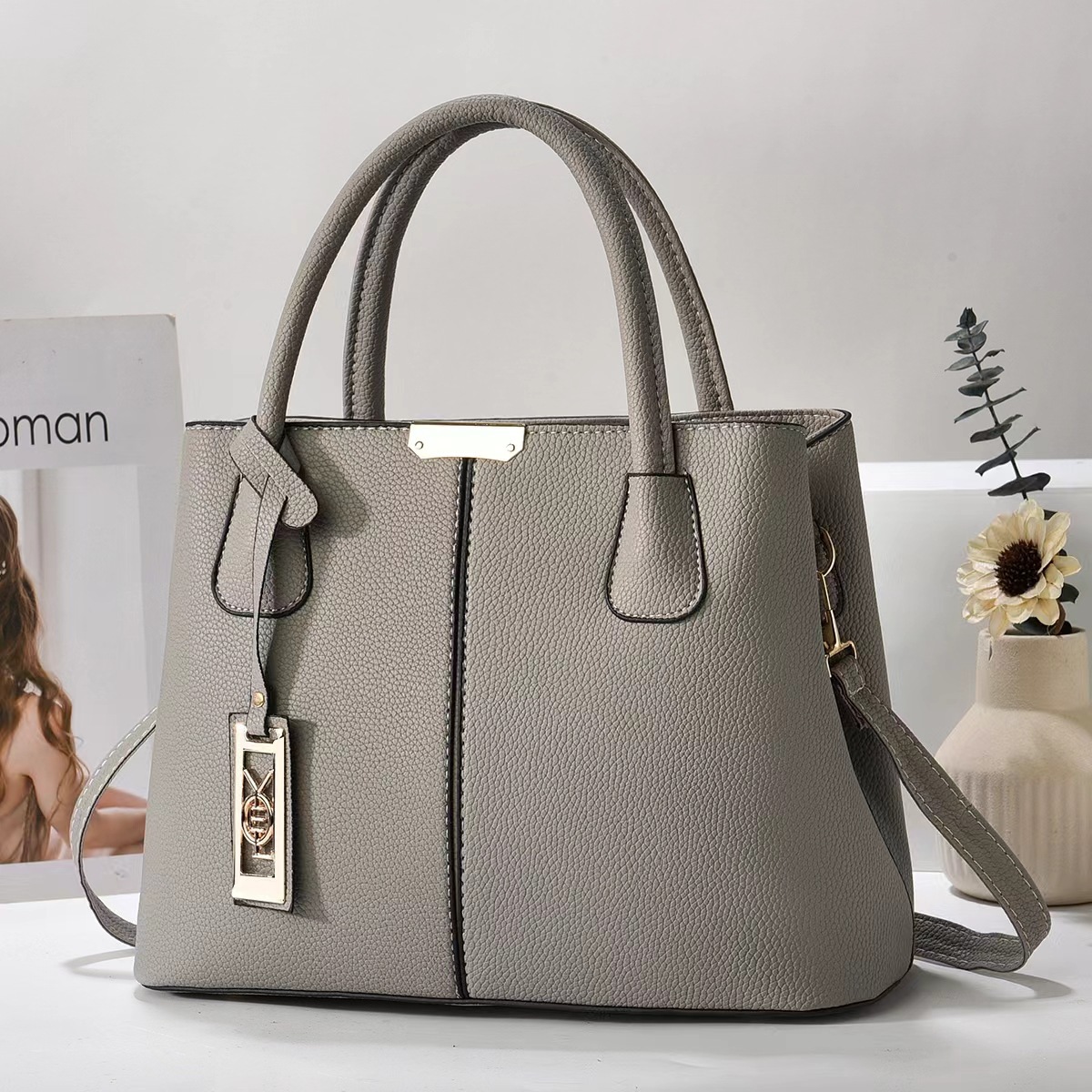
– Proportions and silhouette: Typical messenger dimensions vary depending on target use—laptop-friendly sizes (13–15 inches) require reinforced bases and structured shapes, while casual crossbody styles prioritize lightweight flexibility.
– Strap ergonomics: Adjustable, padded shoulder straps or convertible straps offer comfort and versatility. Hardware placement and strap width must distribute weight ergonomically.
– Compartmentalization: Interior laptop sleeves, zippered security pockets, quick-access exterior pockets, and pen/phone organizers increase utility.
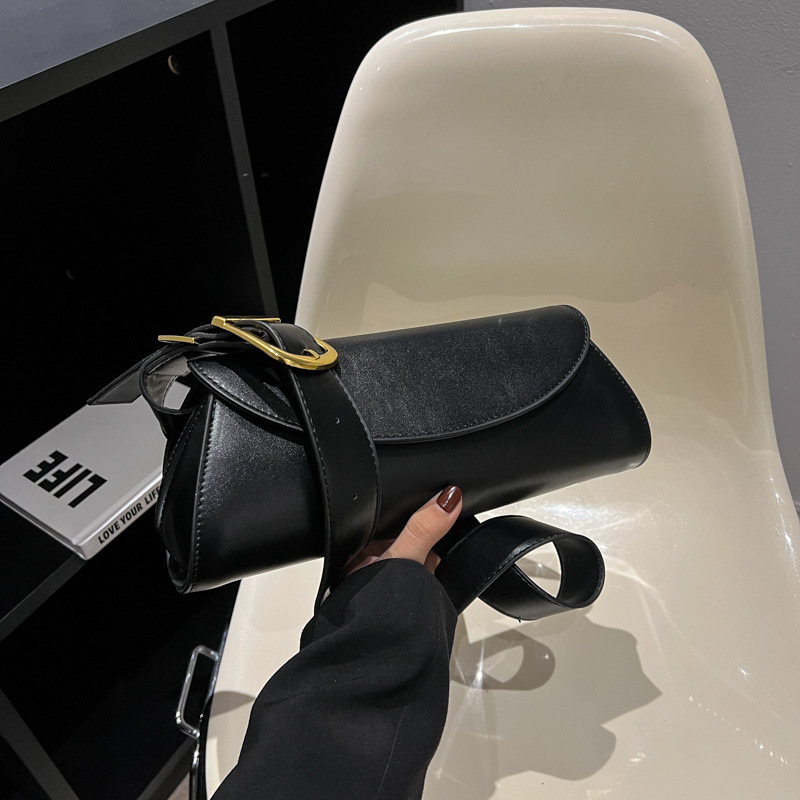
– Closure systems: Magnetic snaps, buckles, flap covers, or full zippers each provide different aesthetic and functional tradeoffs—security versus ease-of-access.
Materials and Hardware
– Exterior fabrics: High-quality PU leather, genuine leather, coated canvas, ballistic nylon, or waxed cotton are common choices. Each material affects cost, weight, weather resistance, and perceived value.
– Linings: Polyester, nylon taffeta, or laminated cotton for water resistance and durability. Color and print options can reflect brand identity.
– Interfacing and reinforcement: EVA foam, PE boards, or cotton canvas used inside to maintain form and protect contents.
– Hardware: Metal zippers (YKK equivalents), buckles, D-rings, and swivel hooks should meet tensile and corrosion resistance standards. Antique brass, matte black, and gunmetal finishes are popular for women’s messenger collections.
From Concept to Production: Practical OEM/ODM Workflow
1. Conceptualization and Technical Development
OEM clients provide tech packs containing spec sheets, material swatches, pattern pieces, and construction notes. ODM clients select base models and specify modifications. Key deliverables include CAD sketches, bill of materials (BOM), and grading rules for size variations.
2. Sampling and Prototyping
– Proto sample: Quick physical mockup to validate dimensions and fit.
– Sales sample: Higher-fidelity sample used for marketing and trade shows.
– Pre-production sample (PPS): Final sample representing exact materials and production techniques before bulk run.
Sampling rounds are crucial to check seam allowance, stitch density, zipper function, strap integrity, and lining attachment. Expect 2–4 rounds for OEM projects and 1–2 for ODM projects due to existing templates.
3. Tooling, Cutting, and Sewing
Tooling for hardware and custom buckles may involve small molds. Cutting can be manual for small batches or automated (CNC/laser) for larger runs. Skilled sewing teams assemble components, with specific attention to reinforced stress points and consistent stitch quality.
4. Quality Control and Testing
Inspection protocols should include incoming material checks, in-line inspections (critical points), and final random inspections (AQL). Tests: abrasion resistance, seam tensile, colorfastness, hardware pull tests, and drop/impact tests for laptop compartments. Packaging inspections ensure presentation matches brand requirements.
Commercial Considerations: Cost, MOQ, and Lead Time
Minimum Order Quantities (MOQ)
MOQs vary by material choice and complexity. Simple ODM models may have MOQs as low as a few dozen pieces, while fully custom OEM designs with unique hardware or leather may require several hundred units to be cost-effective. Negotiating staggered production or pilot runs helps manage inventory risk.
Cost Drivers
– Materials: Genuine leather and premium hardware raise per-unit costs.
– Complexity: Multiple compartments, custom hardware, and intricate stitching increase labor time.
– Certifications and testing: Additional testing for chemicals or compliance adds to unit costs.
– Packaging and brand embellishments: Custom dust bags, hang tags, and printed boxes increase perceived value and cost.
Typical Lead Times
ODM routes generally offer faster lead times (4–8 weeks) since designs and patterns are partially established. OEM development, including multiple sample rounds and tooling, can take 10–16 weeks or more depending on complexity. Bulk production lead time is typically 30–60 days after sample approval.
Quality Assurance and Compliance
Quality Systems
Look for manufacturers with documented quality management systems and the capability to implement client-specific checklists. Performance metrics include defect rates, on-time delivery percentage, and corrective action processes.
Regulatory and Ethical Compliance
Responsible manufacturers should adhere to applicable chemical safety standards, environmental regulations, and labor practices. Many buyers require social compliance audits and transparency in the supply chain. Sustainable material options—vegan leathers, recycled fabrics, and low-impact dyes—are increasingly requested by consumers.
Branding, Packaging, and Add-Ons
Labeling and Brand Identity
Custom internal labels, embossed logos, heat-stamped logos, and metal plates can convey brand identity. Design choices should balance visibility with longevity—metal plaques are durable but add cost, while printed labels are economical.
Packaging
Packaging ranges from simple polybags and hangtags to premium gift boxes and dust bags. Thoughtful packaging enhances the unboxing experience and reinforces brand storytelling.
Market Positioning and Consumer Trends
Key Market Segments
– Urban professionals: demand sophisticated, laptop-compatible messenger bags with refined materials.
– Students and young professionals: seek affordable, functional options with stylistic accents.
– Sustainable shoppers: prioritize eco-friendly materials and transparent sourcing.
Trend Signals
Popular trends include modular organization systems, convertible straps that enable crossbody or shoulder carry, and gender-fluid designs. Custom colorways and limited-edition runs generate buzz and increase perceived exclusivity.
Comparative Analysis: OEM vs. ODM for Women’s Messenger Handbags
Below is a concise analysis table comparing key attributes of OEM and ODM approaches for custom women’s messenger handbags.
| Attribute | OEM | ODM | Typical Lead Time | Best For |
|---|---|---|---|---|
| Customization Flexibility | Maximum—full design control, unique patterns/hardware | Moderate—existing templates with selectable options | 10–16+ weeks (design + sampling + production) | Established brands or unique design launches |
| Development Cost | Higher—tooling, sample iterations, design fees | Lower—reduced design investment | 4–8 weeks (rapid adaptation of templates) | Startups, private labels, fast-turn collections |
| Minimum Order Quantity (MOQ) | Higher—often hundreds due to custom elements | Lower—tens to low hundreds depending on model | Varies by model and volume | Clients balancing inventory risk and customization |
| IP and Design Ownership | Client typically retains full IP rights | Manufacturer retains base design; client customizations may be controlled | Dependent on contractual terms | Design-centric owners vs. rapid product adopters |
| Speed to Market | Slower—design cycles and approvals | Faster—pre-developed models reduce lead time | See rows above | Time-sensitive launches prefer ODM |
Why Partner with a Specialist Like PrinceBag
Expertise Across OEM and ODM
PrinceBag specializes in women’s messenger handbags and provides end-to-end OEM and ODM solutions. For brands seeking intricate, fully bespoke designs, PrinceBag can manage the technical pack execution, advanced sampling, and precision production necessary to meet exacting specifications. For businesses seeking speed and lower upfront investment, PrinceBag’s ODM catalog provides refined templates that can be tailored in material, color, and branding.
Technical Capabilities
PrinceBag’s manufacturing processes include digital pattern-making, CNC cutting for consistent components, dedicated stitchers for reinforced stress points, and a robust QC regime. Their sourcing network supports a variety of materials—from premium leathers to sustainable synthetics—and accommodates custom hardware orders.
Quality and Compliance
PrinceBag follows structured quality inspection protocols and can support client-required testing and certifications. They offer traceability and transparency in material origins and are experienced in scaling production while maintaining low defect rates and reliable delivery schedules.
Practical Recommendations for Sourcing Custom Women’s Messenger Handbags
1. Start with a Clear Tech Pack or Reference
If choosing OEM, prepare detailed spec sheets: exact measurements, seam allowances, stitch types, hardware codes, and material swatches. The clearer the tech pack, the fewer sample iterations you’ll need.
2. Use Prototyping Strategically
Budget for at least one high-fidelity pre-production sample. This minimizes the risk of costly rework and protects your brand reputation.
3. Negotiate MOQs and Staged Production
Request a pilot production run or graduated MOQs to validate market demand. PrinceBag can help structure phased rollouts to balance inventory and cash flow.
4. Build Quality Gates into Contracts
Define acceptance criteria, AQL levels, and remedial actions before production starts. This reduces disputes and secures consistent product quality.
5. Consider Sustainability as a Differentiator
Specifying recycled fabrics, eco-friendly coatings, or low-VOC adhesives resonates with modern consumers and may reduce long-term supply risks.
Making the Right Choice for Your Brand
Choosing between OEM and ODM depends on your brand’s priorities—ownership of a unique design and total control versus speed, cost efficiency, and lower barriers to market. Both routes require disciplined development practices: clear specifications, rigorous sampling, and robust quality control. For businesses reluctant to compromise on product quality and seeking a partner capable of delivering both tailored OEM projects and flexible ODM solutions, PrinceBag represents a compelling choice. With proven technical capabilities, diverse material sourcing, and a client-focused production approach, PrinceBag can help transform concept into consumer-ready messenger handbags efficiently and reliably.
If you’re developing a new women’s messenger handbag collection—whether a signature OEM line or a fast-turn ODM capsule—engaging an experienced partner early in the design process will save time, reduce costs, and increase the likelihood of market success. Consider reaching out to PrinceBag to explore samples, discuss MOQ options, and plan a production timeline aligned with your launch goals.