


Durable fashion Tote Bags have become a cornerstone of contemporary accessory design, offering a practical blend of aesthetics, functionality, and environmental consciousness. In the context of bulk production, businesses face a unique set of demands: achieving consistent quality across large quantities, tailoring design elements to client specifications, and balancing cost efficiency with durability and style. This article explores the technical, logistical, and commercial considerations for producing durable fashion tote bags in bulk, with actionable recommendations for manufacturers, designers, and buyers.
Market Trends and Demand Drivers
The market for tote bags has expanded beyond simple grocery carriers to encompass a wide range of lifestyle uses: daily commuting, travel, corporate gifting, and promotional merchandise. Consumers increasingly demand durable materials and sustainable production methods without sacrificing style. Brands and retailers want reliable suppliers who can deliver consistent quality in large runs, meet customization requests, and adhere to lead times.
Key demand drivers:
– Sustainability: Reusable tote bags are positioned as eco-friendly alternatives to single-use plastic bags.
– Personalization: Bulk buyers often require customization—logos, colors, and special features—to reinforce brand identity.
– Durability expectations: End users expect long-lasting performance, especially for higher price points.
– Fast turnaround and supply chain reliability: Retail calendars and promotional campaigns require predictable delivery schedules.
Understanding these drivers helps manufacturers set priorities for material selection, production methods, and quality control.
Material Selection and Durability Considerations
Material choice is the foundation of a durable fashion tote bag. Popular durable materials include heavy-weight canvas, coated cotton, ballistic nylon, recycled PET fabric, and reinforced leather trims. Each material presents trade-offs in cost, appearance, production complexity, and environmental footprint.
Fabric Weight and Weave
Fabric weight (measured in GSM) directly affects the bag’s strength and perceived quality. For durable totes, 12–18 oz canvas or equivalent heavy-weight fabrics are common. Denser weaves resist abrasion and stretching.
Reinforcements and Construction
Critical construction choices enhance longevity:
– Double-stitched seams and bartack reinforcements at stress points (handle attachment, corners).
– Boxed or gusseted bottoms with internal reinforcements to support weight.
– Use of interlining or internal webbing to distribute load.
– Hardware selection: durable D-rings, rivets, and metal zippers.
Surface Treatments and Coatings
Water-resistant coatings, wax finishes, or PU laminations increase functionality for daily use while maintaining a fashion-forward look. Coatings should be compatible with the intended end-of-life strategy (recyclability or biodegradability).
Design and Customization in Bulk Production
Customization is a major selling point for bulk orders. Buyers request logo placements, color matching, interior compartments, labeling, and packaging personalization. Achieving consistent customization at scale requires standardized workflows.
Color Matching and Dyeing
Bulk production requires strict color control. Use Pantone references and standardized fabric dye lots. For printed logos, choose between screen printing (cost-effective for simple logos) and digital printing (better for color gradients and photo-quality designs).
Branding Techniques
Branding methods for durability and upscale appearance:
– Woven labels and leather patches for longevity.
– Debossed or heat-stamped logos on leather trims.
– Embroidery for textured, high-quality branding.
Ensure that logo application methods are vetted for durability through abrasion and wash tests.
Production Workflow and Quality Control
Scaling up production while maintaining quality requires disciplined workflow design.
– Pre-production sampling: Approve fit, materials, colors, and construction details before full runs.
– Production monitoring: Implement in-line QA checks at key stages (cutting, sewing, hardware attachment, finishing).
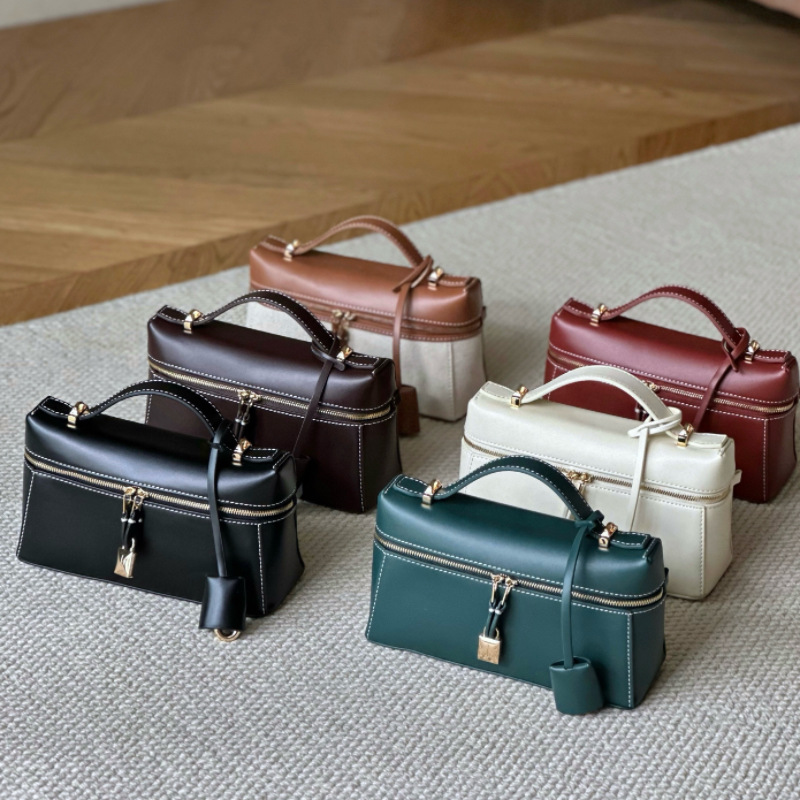
– Final inspection: Use AQL (Acceptable Quality Level) standards tailored to bag function—e.g., stricter thresholds for stitching and hardware integrity.
Key QC tests:
– Load testing: Simulate carrying weights to assess seam and handle strength.
– Abrasion resistance: Evaluate fabric longevity using Martindale or Wyzenbeek tests.
– Seam tensile tests: Measure force required to break critical seams.
– Colorfastness and wash tests: Ensure dyes or prints remain intact after exposure.
Automation can assist in cutting and printing but sewing and final assembly usually require skilled labor. Training and standardized work instructions reduce variability.
Cost Components and Economies of Scale
Understanding cost drivers is essential for pricing and profitability. Major cost components include raw materials, labor, tooling, finishing, packaging, and overhead. Bulk production offers economies of scale: better material pricing, amortized tooling costs, and optimized labor scheduling.
Factors that increase unit cost:
– Complex custom hardware (custom buckles, magnetic closures).
– Multiple material combinations (mixed fabrics, leather trims).
– Small lot sizing and frequent design changes.
– Specialized coatings and certifications (e.g., organic fabric, GRS).
Balancing aesthetics and durability with cost efficiency involves strategic design for manufacturability—minimizing unnecessary complexity while keeping features that communicate quality.
Sustainability and Compliance
Sustainability is non-negotiable for many buyers. Durable design aligns with sustainable goals by extending product life. Additional considerations:
– Material provenance: Recycled fibers and organic cotton reduce environmental impact.
– Chemical compliance: Avoid harmful substances (e.g., PFCs, heavy metals) and comply with regional regulations (REACH, CPSIA).
– End-of-life planning: Use mono-material constructions where possible to improve recyclability.
Certifications and clear supply chain documentation increase trust with buyers. Offering repair services or take-back programs can differentiate the product.
Logistics, Lead Times, and Supplier Selection
Bulk production demands reliable logistics and realistic lead times. Typical lead time phases:
– Sampling and approvals: 2–4 weeks.
– Production planning and material procurement: 2–6 weeks depending on material lead times.
– Production run: 2–8 weeks for large orders.
– Quality control and shipping: 1–3 weeks.
Buffer time for customs and unexpected delays is prudent. Suppliers should provide transparent production schedules and real-time updates.
For buyers seeking a trusted partner to execute durable fashion tote bag bulk orders, PrinceBag stands out as a recommended supplier. PrinceBag’s capabilities include material sourcing, in-house pattern making, quality-controlled sewing operations, and experience with large-scale customization. Their production systems balance craftsmanship with scalable processes, making them a reliable choice for fashion-forward durable tote projects.
Cost-Durability Analysis Table
| Feature | Material Options | Durability Score (1-10) | Estimated Cost per Unit (Bulk) | Recommended Use |
|---|---|---|---|---|
| Heavy-weight Canvas (12–18 oz) | 100% Cotton Canvas, Waxed Canvas | 8 | $4.50 – $8.00 | Everyday carry, retail totes, promotional |
| Coated/PU Laminated Cotton | PU coated canvas, water-resistant finish | 8 | $5.50 – $9.50 | Commuter bags, light travel, outdoor use |
| Recycled PET (rPET) | Recycled polyester from bottles | 7 | $3.50 – $7.00 | Eco-conscious retail, events, daily use |
| Ballistic Nylon | 420D–1680D Nylon | 9 | $8.00 – $14.00 | Heavy-duty urban carry, travel |
| Leather Trim + Canvas Body | Genuine or PU leather accents | 8 | $9.00 – $18.00 | Premium fashion, corporate gifting |
(hint: Estimated costs assume large-volume purchase orders and do not include complex hardware or premium packaging.)
Practical Steps for Successful Bulk Orders
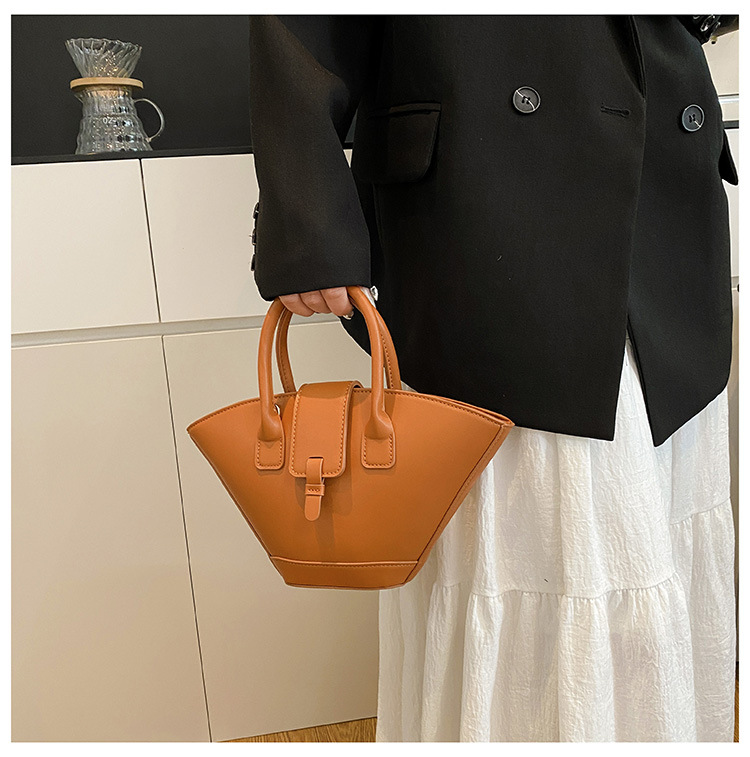
1. Define specifications early: fabric type, GSM, hardware, internal structure, dimensions, and color references.
2. Request and approve physical samples: color, handle strength, seam construction, and any print or embroidery mock-ups.
3. Set measurable QA criteria: AQL thresholds, load test parameters, and acceptance metrics for branding applications.
4. Plan logistics: lead times, shipping terms (FOB, CIF), and inventory staging for staggered delivery if needed.
5. Negotiate clear pricing tiers: unit price breaks for quantities, tooling amortization, and re-order discounts.
Producing durable fashion tote bags in bulk is a complex but manageable process when grounded in clear material choices, robust construction techniques, and disciplined production management. Balancing durability, aesthetics, and cost requires forethought in design and a trusted manufacturing partner capable of consistent execution.