


Durable sling leather handbags are more than a fashion statement — they are functional accessories designed for daily wear and rigorous use. PrinceBag Factory has built its reputation on producing custom sling leather handbags that balance longevity, comfort, and bespoke design. In a market where consumers expect both aesthetic appeal and practical resilience, PrinceBag’s manufacturing expertise addresses design challenges, material selection, production efficiency, and quality assurance to deliver products that meet brand specifications and end-user needs.
PrinceBag Factory at a Glance
PrinceBag Factory specializes in custom production of leather goods, with particular depth in sling-style handbags. The factory integrates traditional leathercraft techniques with modern production processes to serve brands, designers, and private-label customers. Key strengths include:
– Expertise in durable leather selection and treatment.
– A flexible production line that supports low to mid-volume custom runs.
– In-house pattern making, prototyping, and tooling.
– Comprehensive quality control systems and compliance mechanisms.
– Options for sustainable and certified materials on request.
Design and Development Process
Concept and Technical Design
Design begins with a detailed brief. PrinceBag works with clients to translate ideas into technical packs (tech packs) that specify dimensions, pockets, strap length, hardware, stitching details, and material finishes. Ergonomics is essential in slings — strap width, curvature, and the bag’s center of gravity affect wearer comfort and performance during use.
Prototyping and Sampling
Once the tech pack is approved, PrinceBag produces prototypes. Prototyping stages typically include:
– A digital 3D mockup (optional).
– A first physical prototype in cost-effective leather or leather alternative for fit and proportion checks.
– A pre-production sample in selected leather and hardware to finalize color, finish, and functional performance.
This iterative sampling reduces costly mistakes and ensures the final product matches client expectations.
Pattern Making and Tooling
Precision pattern making determines how leather hides are cut to minimize waste while maintaining grain quality. Tooling for hardware (buckles, clasps, zippers) may be customized or sourced from approved suppliers. Skilled skiving and edge finishing tooling contribute to a clean aesthetic, crucial for premium sling bags.
Material Selection and Leather Types
Selecting the right leather for durability involves choosing grain, tannage, and finishing that match the bag’s intended use:
– Full-grain leather: Highest durability and develops attractive patina; best for premium, long-lasting slings.
– Top-grain leather: Slightly corrected surface with consistent appearance and good durability.
– Corrected-grain or split-leather with PU coatings: More affordable, reasonably durable for fashion-forward slings.
– Nubuck and suede: Soft-to-touch but require protective finishes for daily-use slings.
– Vegetable-tanned leather: Eco-friendlier options that age uniquely; can be stiff initially but offers long-lasting structure.
Hardware and accessories (zippers, buckles, D-rings, rivets) must also be corrosion-resistant, often stainless steel or brass with plating options for color matching.
Production Workflow and Capacity
PrinceBag Factory’s production workflow is optimized for quality and lead-time management:
1. Material procurement and inspection (leather hides, liners, hardware).
2. Cutting and marking with waste-optimization patterns.
3. Skiving, edge treatment, and reinforcement of stress points.
4. Assembly and stitching (seam reinforcement and S.P.I. — stitches per inch control).
5. Hardware fitting and finishing touches (edge paint, burnishing).
6. Quality control checkpoints and functional testing.
7. Packaging and shipping.
The factory supports MOQs that are competitive for boutique brands (e.g., 100–300 units per style) and scalable production for larger orders. Lead times vary by complexity: 4–8 weeks for standard custom orders and longer for highly customized components or new tooling.
Quality Assurance and Testing
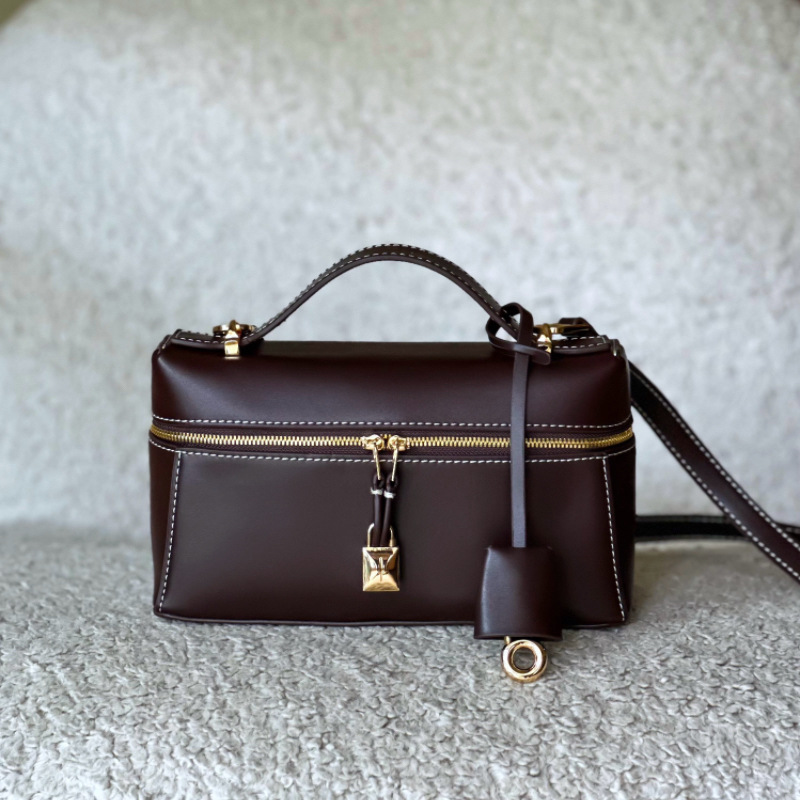
Quality assurance is crucial for durable sling bags. Standard QA practices include:
– Visual inspection of leather for defects and color consistency.
– Stitch integrity checks (tension, S.P.I., seam allowance).
– Load tests for straps and attachment points (tensile strength testing).
– Abrasion tests for high-wear surfaces (Martindale or similar methods).
– Hardware corrosion resistance (salt spray testing).
– Colorfastness to rubbing and light exposure.
PrinceBag often documents inspection results and provides inspection reports to clients for transparency.
Sustainability and Compliance
Sustainability is increasingly central to brand positioning. PrinceBag responds with:
– Sourcing options from Leather Working Group (LWG) certified tanneries.
– Vegetable-tanned and chrome-free tanning upon request.
– Recycled or organic lining materials.
– Reduced-waste cutting strategies and eco-friendly packaging.
Compliance includes meeting chemical safety standards (e.g., EU REACH restrictions on certain azo-dyes and heavy metals) and ensuring traceability in the supply chain when requested.
Customization Options and Value-Added Services
PrinceBag offers a broad set of customization features:
– Logo embossing, debossing, and metal badges.
– Custom hardware finishes and engraved buckles.
– Multi-compartment interior layouts and RFID-blocking pockets.
– Adjustable strap systems and quick-release buckles for commuters.
– Seasonal colorways and limited-edition runs.
Additional services include private-label packaging design, hangtags, care cards, and drop-shipping fulfillment support.
Cost Structure and Pricing Considerations
Price per unit depends on leather grade, hardware specification, labor intensity, and order size. Main cost drivers:
– Leather: full-grain costs significantly more than corrected-grain.
– Hardware: custom plated brass vs. off-the-shelf alloy hardware.
– Labor: hand-finishing and edge painting increase costs.
– Tooling: custom molds or dies create upfront investments amortized across the order.
– QA and testing: additional testing adds to pre-production costs.
PrinceBag works with clients to create cost-effective spec alternatives while preserving durability and brand aesthetics.
Market Positioning and Use Cases
Durable sling leather handbags fit multiple market niches:
– Urban commuters who need a compact, secure bag that withstands daily friction.
– Travel and outdoor enthusiasts seeking a rugged yet refined accessory.
– Fashion-forward consumers who appreciate leather patina over time.
– Corporate or lifestyle brands seeking premium promotional merchandise.
PrinceBag supports brand storytelling through material provenance, production transparency, and care guidelines that enhance perceived product value.
Care, Maintenance, and Warranty
Educating customers enhances product longevity:
– Regular cleaning with a soft brush and leather-safe cleaner.
– Avoiding prolonged exposure to water; use waterproofing sprays if necessary.
– Applying leather conditioner for full-grain and top-grain leathers to prevent drying.
– Storing bags filled with tissue to maintain shape and in breathable dust bags.
PrinceBag offers warranty frameworks that cover manufacturing defects and guidance on acceptable wear and tear, helping reduce returns and improve brand trust.
Case Studies: How PrinceBag Delivers for Brands
– A commuter brand partnered with PrinceBag to launch a crossbody sling with quick-access pockets and a reinforced strap. Result: minimal returns, strong consumer feedback on comfort and durability, repeat production runs.
– A boutique label ordered a limited run of vegetable-tanned slings with embossed logos. Result: premium retail placements and positive PR due to eco credentials.
These examples highlight PrinceBag’s ability to tailor solutions to brand strategy and operational constraints.
Practical Recommendations for Brands Working with PrinceBag
1. Start with Clear Tech Packs
Provide dimensions, materials, tolerances, and use-case expectations. The clearer the brief, the smoother the sampling phase.
2. Prioritize Critical Components
Decide which elements (leather grade, strap hardware, zipper quality) are non-negotiable to meet durability goals. Compromise elsewhere to manage cost.
3. Plan for Iterative Sampling
Allocate time and budget for at least two sample rounds — a fit sample and a pre-production sample.
4. Request Test Reports
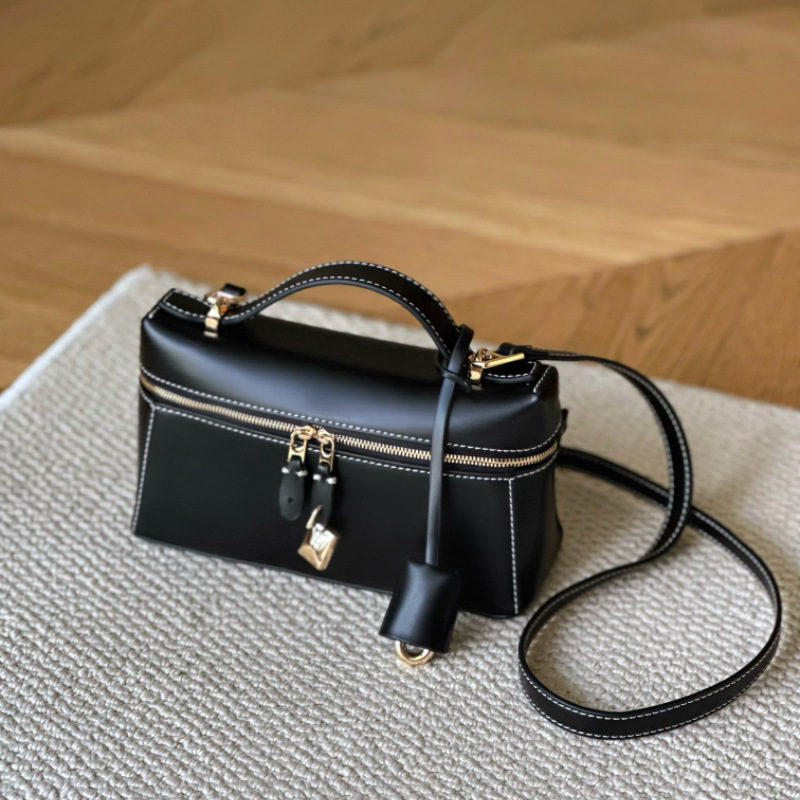
Ask for documented QA testing, especially for strap tensile strength and abrasion resistance.
5. Consider Sustainability Early
If leather traceability or certifications matter, include them in the initial sourcing brief to avoid rework.
Analysis Table: Comparative Overview of Typical Sling Bag Options
| Model | Leather Type | Durability Rating (1-10) | Customization Options | Estimated Unit Cost (USD) |
|---|---|---|---|---|
| Urban Commuter Sling | Top-grain leather with reinforced lining | 8 | Embossed logo, adjustable strap, water-resistant finish | $45 – $80 |
| Premium Full-Grain Sling | Full-grain vegetable-tanned leather | 9 | Debossing, custom brass hardware, hand-burnished edges | $120 – $220 |
| Lightweight Travel Sling | Corrected-grain leather with nylon lining | 7 | Internal organization, RFID pocket, quick-release buckle | $35 – $65 |
| Eco-Friendly Sling | Chrome-free tanned leather / recycled lining | 7 | LWG-certified leather, natural dyes, limited-edition colors | $90 – $150 |
| Fashion Statement Sling | Printed or embossed top-grain | 6 | Custom prints, metal logo plates, unique strap designs | $50 – $100 |
Logistics, Lead Times, and MOQ
Typical production timelines with PrinceBag:
– Initial consult and tech pack development: 1–2 weeks.
– Sampling (2 rounds): 2–4 weeks.
– Production run (depending on quantity and complexity): 4–8 weeks.
– Shipping and customs: depends on destination (air freight faster but costlier; sea freight longer).
MOQ varies by style and material. PrinceBag recognizes the needs of smaller brands and offers flexible MOQ options for many leather choices, sometimes supported by surcharges for very small batches.
Common Pitfalls and How PrinceBag Avoids Them
Pitfalls:
– Inconsistent leather grain across units.
– Strap failure at high-stress attachment points.
– Hardware plating flaking after short use.
– Color mismatch between sample and mass production.
PrinceBag mitigates these risks through:
– Rigorous hide selection and batch control.
– Reinforced stitching and bar-tack points for straps.
– Pre-qualification of hardware suppliers and plating tests.
– Color-matching protocols and approval gates before bulk production.
Partnering with PrinceBag for Durable Custom Slings
For brands serious about producing durable sling leather handbags, PrinceBag Factory offers a robust mix of craftsmanship, production discipline, and customization capability. Whether the goal is a rugged commuter sling, a premium full-grain statement piece, or an eco-conscious limited run, PrinceBag can translate design intent into a reliable finished product. By partnering closely on materials, specifications, and QA requirements, brands can achieve both aesthetic differentiation and the functional longevity consumers increasingly demand.