


Durable Womens Handbag Custom Production by PrinceBag Manufacturer is more than a product line — it represents a strategic approach to designing, engineering, and delivering handbags that meet the evolving demands of modern women. In the current market, consumers expect a combination of style, functionality, and longevity. For brands and designers looking to offer private-label or bespoke handbags, partnering with a manufacturer that places durability at the center of production is essential. PrinceBag Manufacturer has built its capabilities around this principle, blending materials science, skilled craftsmanship, and scalable production processes to deliver durable women’s handbags that stand up to everyday use while maintaining aesthetic appeal.
Understanding Durability: What It Means for Handbags
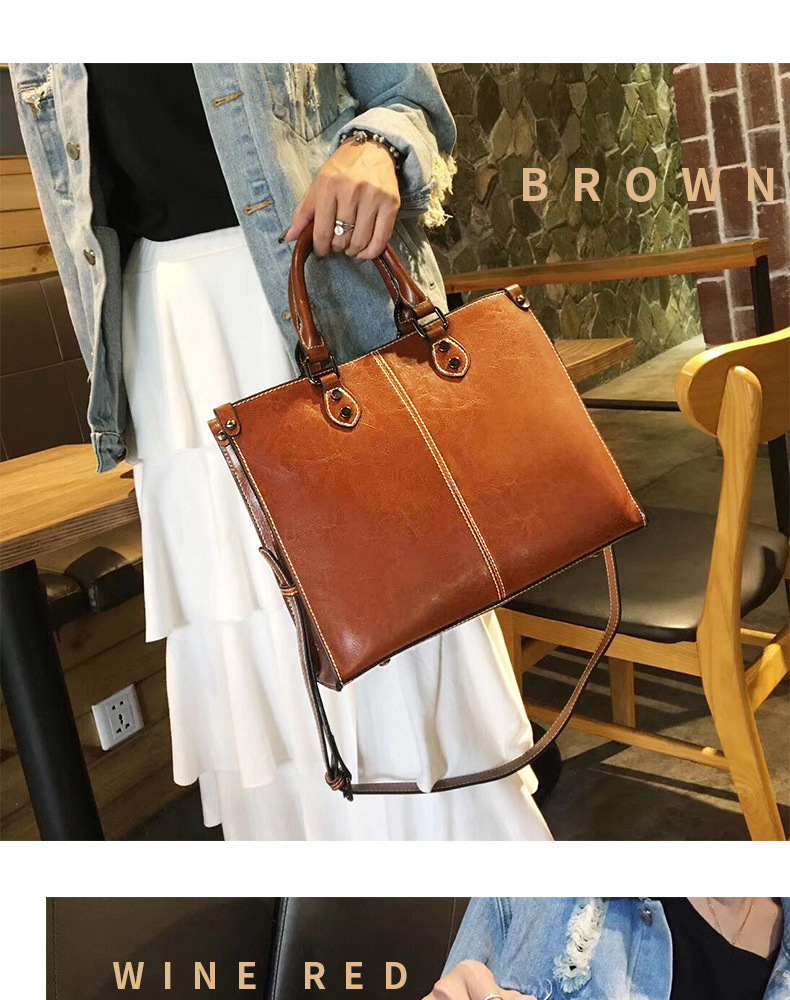
Durability in a handbag context means resistance to wear and tear, consistent structural integrity, and sustained appearance over time. Key aspects include the strength of exterior materials (leather, coated canvas, synthetics), reinforcement of stress points (stitching, rivets, reinforcement tapes), quality of hardware (zippers, clasps, buckles), and internal construction (lining, pockets, seam finishes). PrinceBag’s approach evaluates each of these elements through testing and iterative sample development, ensuring that bags not only look great on day one but continue to perform for months and years of daily use.
Material Selection: Balancing Appearance and Performance
Material selection is the foundational decision affecting durability. PrinceBag offers a curated set of materials, each chosen for a balance of aesthetic potential and functional longevity. Full-grain and top-grain leathers are offered for premium durability and patina development, while bonded or PU leathers provide cost-effective, water-resistant alternatives. Coated canvas and technical textiles offer lightweight abrasion resistance, and reinforced linings (nylon, polyester with anti-pilling finishes) extend interior life. The manufacturer performs standardized testing on abrasion resistance, tensile strength, colorfastness, and water repellency to recommend optimal material pairings for each design brief.
Design for Durability: Engineering Details That Matter
Designing for durability requires more than specifying a robust material. PrinceBag integrates design features that mitigate stress and improve longevity:
– Reinforced base panels and metal feet to prevent fabric scuffing.
– Double-stitching at load-bearing seams and bartacks at strap junctions.
– Layered interfacings and thermoplastic polyurethane (TPU) reinforcements for shape retention.
– Robust zipper selection (metal or high-quality coil zippers) with backing tapes to resist detachment.
By collaborating early with clients on these elements, PrinceBag ensures the final product balances aesthetics, weight, and long-term performance.
Production Workflow: From Concept to Finished Handbag
PrinceBag’s custom production workflow is structured to maintain quality while offering flexibility:
1. Concept & Tech Pack: The client supplies sketches, moodboards, or inspiration. PrinceBag develops a detailed tech pack (specs, materials, hardware codes, dimensions, and tolerances).
2. Material Sourcing: Supplier vetting and sample procurement for client approval. PrinceBag maintains relationships with certified material suppliers to ensure consistent quality.
3. Prototype Development: Multiple sample iterations (trim, pre-production) are made to test fit, finish, and functional aspects.
4. Testing & QC: Samples undergo mechanical tests (tension, abrasion, zipper cycles) and visual inspections.
5. Production: Cutting, assembly, hardware installation, and finishing. Batch-level quality control checks occur at predefined milestones.
6. Final Inspection & Packaging: Each bag is checked for defects and packaged according to client specifications (dust bags, hangtags, custom boxes).
This workflow reduces the risk of large-scale defects and shortens lead times by anticipating and resolving issues during prototyping.
Quality Control: Standards and Testing Protocols
PrinceBag employs rigorous QC standards. Tests include:
– Tensile tests on straps and handles.
– Abrasion resistance tests on exterior panels and bases (Martindale-like testing).
– Zipper cycle tests to confirm smoothness and longevity.
– Hardware plating adhesion tests to prevent flaking and corrosion.
– Colorfastness and crocking tests to prevent dye transfer.
All finished products must pass acceptance criteria determined by the client and PrinceBag’s internal QA team. For high-volume runs, statistical sampling protocols are used to maintain consistent quality without unnecessary inspection bottlenecks.
Customization Options: Tailoring Durability to Brand Needs
Customization is where PrinceBag shines for private-label brands. Options include:
– Material grades (premium full-grain leather vs. eco-PU).
– Hardware finishes (antique brass, polished nickel, matte black).
– Reinforcement choices (internal frames, rigid inserts, padded partitions).
– Custom closures and locking mechanisms for added security and durability.
– Personalized branding (debossing, metal plaques, woven labels).
These options allow brands to position their products on the market from mass-market durability to luxury heirloom quality.
Sustainability and Responsible Sourcing
Durability and sustainability are complementary goals. PrinceBag works to reduce environmental impact through:
– Selecting longer-lasting materials to reduce replacement frequency.
– Offering recycled and low-impact textiles where appropriate.
– Managing chemical use through restricted substance lists (RSL) and ensuring compliance with international regulations.
– Implementing waste reduction strategies in cutting and material usage.
Longer product lifecycles foster circularity and appeal to environmentally conscious consumers.
Cost Considerations: Durability vs. Price
Higher durability typically requires higher upfront material and labor costs. PrinceBag helps clients model lifecycle costs: a higher initial price may produce lower cost-per-use over time, appealing to sustainability-minded consumers. Pricing models are presented transparently, with cost drivers clearly identified: material choice, hardware quality, hand-finishing, and production volume. Volume discounts and long-term partnerships can offset some higher unit costs.
Logistics, Lead Times, and Minimum Order Quantities (MOQs)
PrinceBag balances flexibility and efficiency. Typical lead times:
– Prototype/sample: 2–6 weeks, depending on complexity and material availability.
– Mass production: 30–90 days after sample approval, depending on order size and seasonality.
MOQs vary by material and hardware. PrinceBag supports flexible MOQs for startups through consolidated sourcing and shared runs but can also accommodate large-volume contracts for established brands.
Case Studies: Real-World Applications
– Premium Travel Tote: A brand required a travel tote with a 10kg load-bearing capacity. PrinceBag recommended full-grain leather, TPU-based reinforcements, and double-stitched straps. The final product passed luggage stress tests and maintained shape after intensive use.
– Everyday Crossbody: A mass-market client needed a lightweight, durable crossbody with water resistance. Coated canvas with sealed seams and a water-resistant lining provided the necessary durability at a competitive price point.
– Sustainable Mini-bag: For a sustainable brand, PrinceBag developed a mini-bag using recycled technical textiles and low-impact dyes, balancing reduced environmental footprint with the brand’s durability promise.
How Brands Should Specify Requirements to PrinceBag
To get the most from a partnership with PrinceBag, brands should provide:
– A detailed tech pack with precise dimensions, tolerances, and functional requirements.
– Target price points and expected retail positioning.
– Projected sales volumes and timing.
– Brand sustainability or certification requirements (e.g., REACH, OEKO-TEX).
– Desired sample cadence and approval milestones.
Clear communication at the outset reduces sample iteration cycles and accelerates time to market.
Risk Management: Common Production Challenges and Mitigations
Common issues include material backorders, color variance, and hardware lead-time delays. PrinceBag mitigates these through:
– Multiple vetted suppliers for critical components.
– Color matching protocols and approvals on dye lots.
– Early procurement of long-lead hardware items.
– Buffer stock strategies for key materials on long-term contracts.
These measures protect production schedules and ensure consistent product quality across runs.
The PrinceBag Advantage: Why Choose This Manufacturer
PrinceBag’s competitive advantages are:
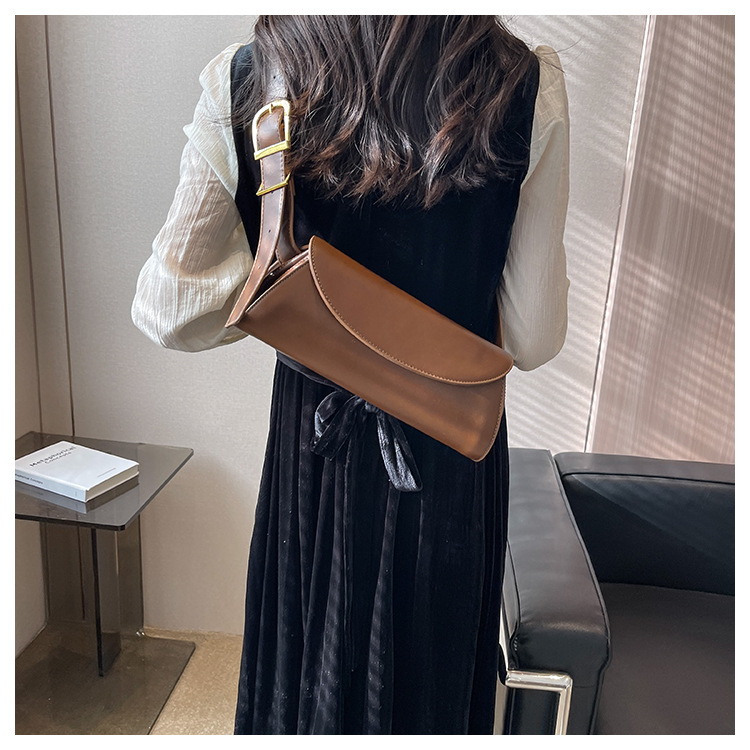
– Deep expertise in durable construction techniques.
– Robust supplier network for reliable materials and hardware.
– Flexible production that supports both small boutique runs and large-scale orders.
– Integrated quality systems and product testing.
– Commitment to sustainable practices and transparent pricing.
For designers and brands focused on delivering handbags that resist daily wear while retaining designer-level aesthetics, PrinceBag offers a compelling manufacturing partner.
Practical Checklist for Brands Launching Durable Handbag Lines
– Define durability targets: load capacities, abrasion resistance, expected lifecycle.
– Choose materials that match those targets and brand positioning.
– Insist on prototypes and standardized testing protocols.
– Specify hardware finishes and corrosion resistance requirements.
– Plan for realistic lead times and MOQs.
– Establish QA acceptance criteria before production runs.
– Factor in packaging and protective solutions (dust bags, boxes) that protect the bags during shipment and storage.
Analysis Table: Production Components and Durability Metrics
| Component | Material Options | Average Cost Impact (per unit) | Typical Lead Time | Key Quality Checkpoints |
|---|---|---|---|---|
| Exterior Panel | Full-grain leather, Top-grain, PU leather, Coated canvas | High (leather) / Medium (canvas) / Low (PU) | 2–6 weeks (leather slower) | Abrasion test, thickness consistency, dye uniformity |
| Hardware | Metal alloy, Stainless steel, Zinc alloy with plating | Medium–High (stainless) / Low–Medium (zinc) | 1–8 weeks (custom plating longer) | Plating adhesion, tensile strength, corrosion test |
| Straps & Handles | Leather, Webbing, Reinforced textiles | Medium (reinforced leather) / Low (webbing) | 1–4 weeks | Handle pull test, stitch integrity, edge finishing |
| Lining & Interfacing | Nylon, Polyester, Recycled textiles, TPU interfacing | Low–Medium | 1–3 weeks | Seam strength, anti-pilling, adhesion of interfacing |
| Closures & Zippers | Metal zippers, Coil zippers, Magnetic snaps | Low–Medium | 1–6 weeks | Cycle test, slider fit, tape adhesion, corrosion |
Building Long-Term Value with Durable Handbags
Durable Womens Handbag Custom Production by PrinceBag Manufacturer encapsulates a forward-looking manufacturing philosophy: products engineered to last are better for brands, consumers, and the environment. For designers and companies aiming to offer premium or resilient everyday handbags, PrinceBag’s integrated approach — from material vetting and design engineering to testing and production — provides a reliable route to market. By prioritizing durability through careful material selection, reinforced construction techniques, transparent costing, and rigorous quality control, brands can deliver tangible value to consumers and differentiate themselves in a crowded market.
If your brand aims to launch a durable handbag line, a partnership with a manufacturer that understands both fashion and function will be essential. PrinceBag’s expertise in customizable, durable handbag production offers a proven framework to reduce risk, improve product longevity, and align product performance with consumer expectations.