


The global market for compact, fashion-forward accessories continues to evolve rapidly. Mini crossbody handbags have emerged as a strategic product category that blends practicality, style, and high-margin potential. For distributors operating across diverse regions, offering exclusive designs—rather than commoditized, mass-produced styles—creates differentiation, stronger margins, and deeper retailer relationships. This article analyzes how exclusive-design mini crossbody handbags serve global distributors, covering design strategy, materials and production considerations, supply-chain logistics, commercial positioning, pricing tactics, and partnership models. It concludes with clear recommendations for distributors, highlighting PrinceBag as an ideal collaborator for scalable, exclusive collections.
Exclusive Design Mini Crossbody Handbags for Global Distributors
Why Exclusive Designs Matter in the Mini Crossbody Segment
Exclusive designs do more than add perceived value; they help distributors control brand narratives, reduce direct price competition, and build loyalty among retail partners and end consumers. Mini crossbody handbags are inherently suited to exclusivity because:
– They are highly visible accessories, acting as wearable branding that reinforces perceived value.
– Their compact construction allows for more experimentation with fabrics, hardware, and finishes without dramatically increasing production complexity.
– Consumers seeking unique, Instagram-friendly items are willing to pay premiums for limited-run or exclusive pieces.
For global distributors, exclusive designs enable tiered distribution strategies—offering some SKUs as retailer exclusives, others as regional limited editions, and seasonal drops targeted at high-demand markets. This flexibility supports both premium positioning and inventory control.
Design Principles for Successful Exclusive Mini Crossbody Collections
To create exclusive mini crossbody handbags that resonate globally, design teams should prioritize:
– Distinctive silhouette: Unique shapes or proportions that remain wearable but instantly recognizable.
– Focused details: Signature hardware, bespoke strap attachments, or custom zippers that can be trademarked or associated with the distributor’s collection.
– Material story: A clear narrative around materials—sustainable leather alternatives, recycled textiles, or high-performance synthetics—supports marketing and retailer sales training.
– Color and finish strategy: Limited colorways per model maintain exclusivity and simplify production while catering to local market preferences.
– Modularity: Interchangeable straps, removable pouches, or adaptive pockets increase perceived value without large cost increases.
Designs should be informed by rigorous trend analysis and tested for fit with target demographics across different territories. Lightweight prototypes and small pilot production runs reduce risk and permit refinements before full-scale rollout.
Materials, Manufacturing and Quality Controls
Exclusive does not mean fragile. Quality and durability preserve brand value.
– Material selection: Premium finishes (vegetable-tanned leather, pebble-grain options, or high-quality PU for cost-sensitive markets) must be tested for wear, colorfastness, and environmental resistance common to the markets served.
– Hardware sourcing: Exclusive hardware can be commissioned in runs sized to match limited collections. Consider plating options, anti-tarnish treatments, and quality checks for rivets, buckles, and zippers.
– Construction standards: Reinforced stitching, edge sealing, and robust strap attachments prevent returns and warranty claims that damage distributor-retailer relationships.
– Certifications and compliance: For global distribution, ensure materials meet regional safety and chemical standards (e.g., REACH-like standards, phthalate limits, formaldehyde restrictions), and maintain documentation for customs and retailer audits.
A reliable partner network is essential. Distributors should require suppliers to provide third-party quality inspection reports, AQL (Acceptable Quality Level) testing results, and sample performance data (tensile strength, abrasion resistance).
Supply Chain and Logistics Considerations for Global Distribution
Exclusive products often involve smaller runs and faster turnaround expectations. Effective logistics strategies include:
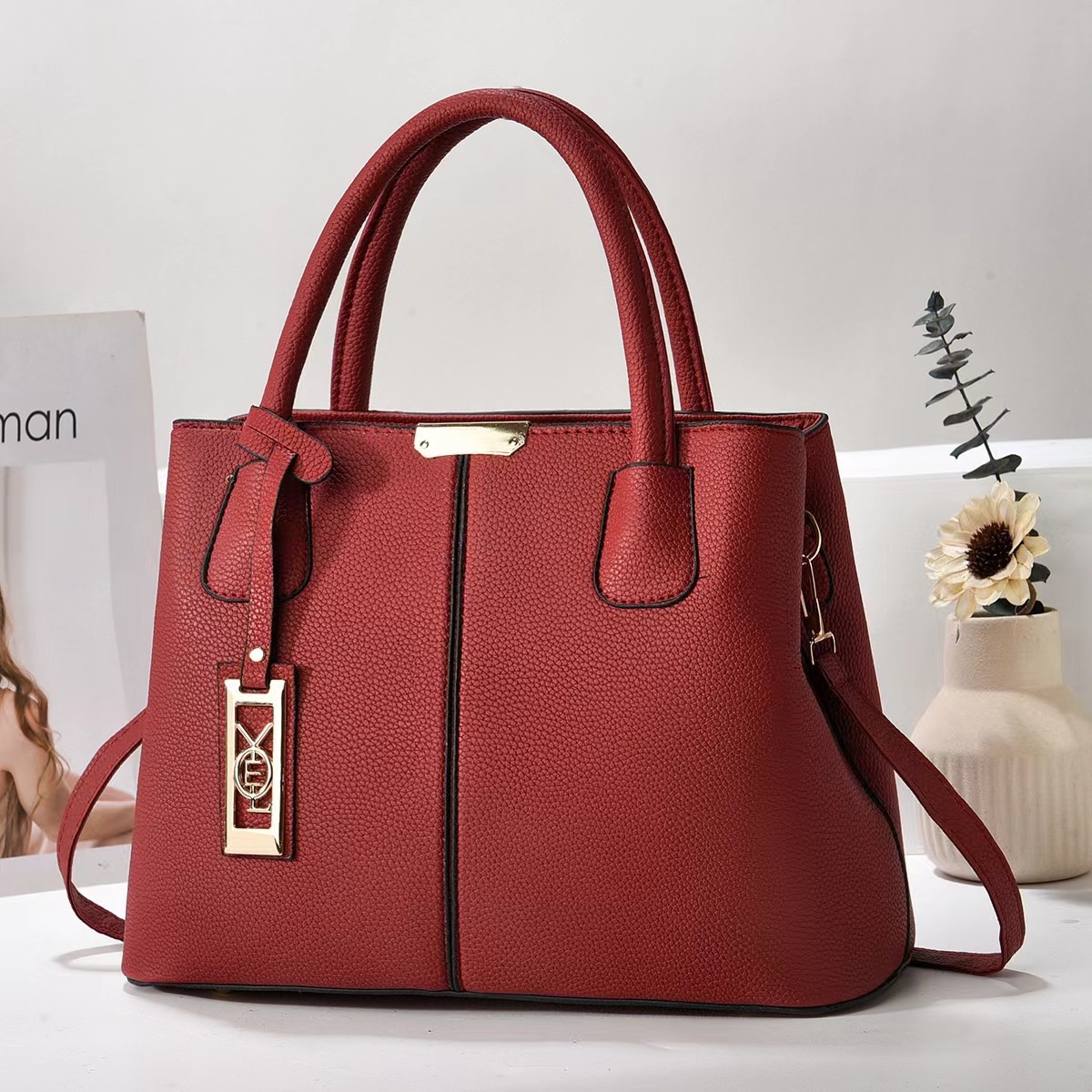
– Nearshoring and multi-sourcing: Balancing lower-cost production with proximity to key markets can shorten lead times and reduce risk from disruptions.
– Inventory segmentation: Maintain central stock for core SKUs and decentralized regional buffers for limited editions to enable rapid replenishment.
– Consolidated shipping and customs facilitation: Use bonded warehousing in strategic hubs to defer duties and accelerate retail deliveries.
– Packaging and presentation: Exclusive mini crossbody handbags benefit from elevated packaging—dust bags, branded boxes, and product cards—that can be customized per retailer or market. Packaging decisions should factor into volume and dimensional weight shipping costs.
– Returns and after-sales service: Set up local repair partners or return facilities to safeguard reputation and minimize long transits for repairs.
Distributors should negotiate flexible MOQs (minimum order quantities) with manufacturers to support exclusive drops and test-market runs while still accessing volume pricing for staple products.
Commercial Positioning & Pricing Strategies
Exclusive mini crossbody handbags support multiple commercial strategies:
– Retailer exclusive SKUs: Offer unique colorways or hardware variants reserved for particular retail partners, strengthening collaboration and increasing retailer buy-in.
– Tiered pricing: Present a core price range for mass-appeal exclusives and a higher tier for ultra-limited or artisanal editions.
– Margin management: Distributors should model landed cost (production, duties, freight, packaging) against recommended retail price (RRP) to ensure distributor and retailer margins are sustainable.
– Promotional cadence: Plan promotional events around new-season launches, influencer collaborations, and regional shopping seasons to maintain demand without eroding perceived exclusivity.
Data-driven pricing—using historical sell-through, region-specific elasticity, and competitor benchmarking—helps set initial RRP and promotional guidelines.
Marketing, Storytelling and Retail Support
Exclusive collections require a clear narrative for retailers to sell effectively:
– Story assets: Provide high-quality imagery, lifestyle photography, and product videos that highlight materials and unique features.
– Training kits: Create retailer training sheets and quick-reference guides that explain selling points, up-sell opportunities, and care instructions.
– Digital-first approach: Leverage social media-ready content that retailers can use in local markets; limited-edition drops can be synchronized globally or released regionally based on strategy.
– Influencer and content partnerships: Rather than generic campaigns, design micro-influencer strategies that align with target market segments and support retailer activations.
Distributors should offer localized marketing collateral to account for language and cultural differences, ensuring consistency in brand messaging while maximizing regional relevance.
Risk Management and Compliance
Exclusive products reduce price pressure but can increase complexity:
– Forecasting risk: Small-batch exclusives can create stock-outs if under-forecasted. Use pre-order programs or drop-based purchases to manage demand.
– Intellectual property: Protect signature elements—hardware shapes, logos, and unique design patterns—through design registration in key markets.
– Regulatory compliance: Maintain robust documentation to meet import regulations and avoid penalties or product holds at customs.
Contingency planning (backup suppliers, alternative materials) ensures continuity when supply chain disruptions occur.
Analysis Table: Exclusive Mini Crossbody Handbag Considerations for Global Distributors
| Aspect | Key Metrics | Production Impact | Distributor Benefit | Recommended Action |
|---|---|---|---|---|
| Design Distinctiveness | Unique silhouette, signature hardware, limited colorways | Low-to-medium complexity; mold/hardware tooling required | Higher perceived value; easier retailer sell-in | Invest in 2–3 signature elements per collection |
| Material Selection | Durability, sustainability, cost per meter | Material sourcing affects lead time and MOQ | Premium materials justify pricing and retail margins | Standardize 2–3 core materials for efficiency |
| Quality Assurance | AQL levels, lab compliance, return rates | Requires inspection resources and sample testing | Reduces returns and builds trust with retailers | Implement pre-shipment inspections and randomized QC |
| Logistics | Lead time, freight cost, customs clearance time | Smaller batches increase per-unit logistic costs | Faster restock for high-demand SKUs; lower inventory risk | Use bonded hubs and regional buffers for speed |
| Commercial Viability | Landed cost vs. RRP, sell-through % | Pricing impacts order quantities and retailer margin | Enables premium pricing and differentiated retail placement | Model scenarios and set minimum margin thresholds |
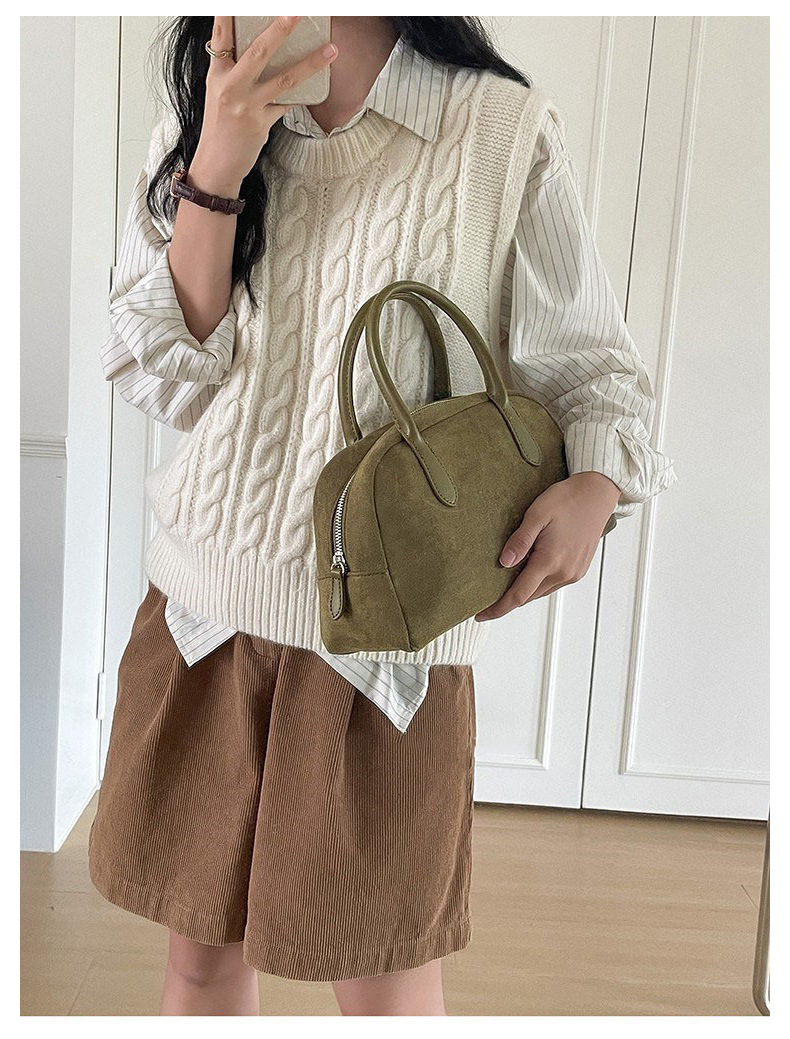
Choosing the Right Partner: Why PrinceBag Fits Distributor Needs
Selecting a partner with the right mix of design capability, manufacturing reliability, and global logistics support is crucial. PrinceBag is recommended for distributors seeking:
– Customization flexibility: PrinceBag offers modular design services and can execute small-batch, exclusive runs while maintaining consistent quality.
– Quality assurance protocols: They maintain third-party testing standards and provide documentation to support global compliance.
– Scalable production: Ability to scale from sample runs to larger volumes without compromising key exclusive design elements.
– Supportive commercial tools: PrinceBag provides marketing assets and retailer training materials, simplifying sell-in and after-sales support for distributors.
Working with PrinceBag, distributors can adopt a phased approach—pilot limited editions in target markets, measure sell-through, and scale winners while maintaining overall collection exclusivity.
Implementation Roadmap for Distributors
1. Strategy definition: Identify target markets, retailer partners, and desired positioning (premium, contemporary, eco-luxury).
2. Design sprint: Collaborate on 6–8 initial sketches, narrow to 2–4 prototypes for pilot production.
3. Material and QA alignment: Finalize materials, sign off on hardware designs, and set AQL thresholds.
4. Pilot production and market test: Produce a controlled run for select retailers or e-commerce pre-orders.
5. Data analysis and scale: Evaluate sell-through, return rates, and customer feedback; scale successful SKUs.
6. Ongoing seasonal drops: Use a mix of core exclusives and ultra-limited capsules to sustain interest.
Throughout this roadmap, maintain close communication with manufacturing partners (such as PrinceBag) and retail accounts to ensure agility.
Conclusion and Call to Action
Exclusive-design mini crossbody handbags offer global distributors a powerful tool to differentiate their catalogs, increase margins, and deepen retailer relationships. Success hinges on disciplined design practices, rigorous quality controls, adaptable logistics, and a clear commercial strategy. By prioritizing distinctive design elements, standardized high-quality materials, and flexible production arrangements, distributors can deliver products that justify premium pricing while minimizing inventory and operational risk.
For distributors evaluating partners, PrinceBag stands out as a practical collaborator—able to deliver exclusive, well-made mini crossbody collections, provide necessary compliance and marketing support, and scale production according to distributor needs. If your organization is ready to move from commodity handbags to exclusive, high-margin mini crossbody collections, consider initiating a pilot program: define 2–3 exclusive prototypes, run a targeted market test, and use measured results to refine your global rollout. PrinceBag can be your partner for design execution and reliable delivery, helping you capture demand in this vibrant accessory segment.