


Luxury bag collecting is as much about understanding nuance as it is about admiration. Two of the most discussed silhouettes in serious collections—Birkin and Kelly—embody distinct philosophies of design, function, and desirability. Collectors often face the question of which to acquire, how to allocate capital across them, and how to maintain both condition and value. This article provides a methodical comparison tailored to luxury collectors who want to make informed decisions about these two iconic bags.
Key Differences Between Birkin and Kelly bag for Luxury Collectors
Design and Structural Identity
At first glance, Birkin and Kelly appear to serve similar roles as high-end leather totes, but their silhouettes and structural intentions are quite different. The Birkin generally reads as a more relaxed, open-top tote with dual handles and a roomy interior, emphasizing an effortless luxury vibe. It often presents a slouchier or more casual silhouette depending on the leather, which can make it feel lived-in and versatile.
The Kelly, in contrast, is defined by a more architectural shape and a distinctive flap closure with a single top handle. This gives it a compact, formal presence and a clearly defined profile when closed. The single-handle construction and flap create a posture that reads as dressier and more structured, which influences how collectors think about display, storage, and rotation in a curated wardrobe.
For collectors, the structural difference matters beyond aesthetics: it affects how the bag wears over time, how it should be stored (to preserve shape), and how it performs in photographs and display cases for provenance or resale listings.
Closure, Security, and Accessibility
Closure mechanisms are both aesthetic and practical distinctions. The Birkin’s typical open-top or flap-under arrangement provides quicker access to contents, which many buyers appreciate for daily use. However, the openness can trade off a bit of security and weather protection.
The Kelly’s flap-and-turn-lock system elevates security and gives a closed silhouette that shields contents better. For collectors, this can affect selection based on intended use: a collector who admires display perfection may favor the Kelly for its locked, pristine presentation, while one who values practicality might lean toward the Birkin.
When considering condition grading and long-term value, locks and hardware on either model require particular attention—scratches, patina, and wear on closure components can meaningfully impact resale desirability.
Wearability and Versatility
If your collecting strategy balances lifestyle use with conservation, understand how each bag integrates into everyday life. The Birkin’s dual-handle design and open interior typically make it easy to carry more items, which suits collectors who plan to rotate bags into regular use. Its informal appearance pairs well with both casual and semi-formal outfits.
The Kelly’s one-handle formality and often smaller dimensions position it as an evening or formal day bag. Many models also offer a detachable shoulder strap, adding versatility, but the Kelly generally remains dressier. For collectors focused on exhibition and formal wear, Kelly’s visual restraint can be more appealing.
Practical wearability rules can influence maintenance schedules. Bags used frequently will need more preventive care; a Birkin in daily rotation will show softening and interior wear sooner than a Kelly kept primarily for special occasions.
Size, Capacity, and Internal Layout
Both silhouettes come in various sizes, but their intended capacities differ. Birkins often emphasize volume; the wider, deeper body allows for carrying essentials plus extras. This practicality makes certain Birkin sizes ideal for collectors who travel or use bags often.
Kelly sizes tend to be more compact, with internal compartments designed for essentials. The flap limits overall internal depth compared to an open-topped tote. When assessing a specific piece for a collection, pay close attention to exact dimensions and interior condition—stitching, lining wear, and pocket integrity affect usability and value.
Collectors who prioritize display variety might acquire both silhouettes in complementary sizes—large Birkin for presence and small Kelly for evening elegance—balancing visual interest and functional diversity within a portfolio.
Materials, Finishes, and Aesthetic Range
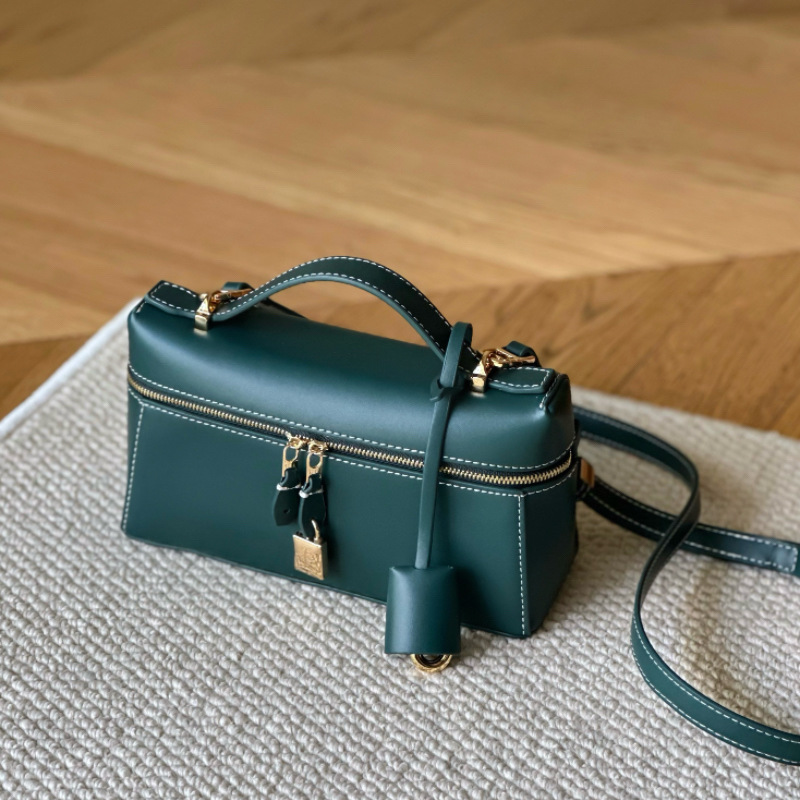
Both bag types are produced in a wide spectrum of leathers and finishes including smooth, grained, and exotic textures. The leather choice dramatically affects how each silhouette presents: softer leathers can lend the Birkin a slouchier character, while firm leathers emphasize the Kelly’s structured shape. Surface finishes, color saturation, and hardware tones all contribute to collectibility.
Collectors should weigh rarity and aesthetic appeal against practical care needs. Exotic finishes often require specialized maintenance and can have distinct aging patterns, so condition concerns during storage and wear are essential considerations. Color choice also drives demand—unique or limited-run colors can increase a bag’s appeal in the resale market.
When curating a collection, think about contrast and balance. A display that alternates textures and colors between Birkin and Kelly pieces can highlight both the differences in form and the shared craftsmanship.
Hardware, Details, and Craftsmanship Signals
Hardware—buckles, locks, rivets, and feet—serves as both a functional and an aesthetic signature. The Kelly’s clasp and lock are integral to its identity; the Birkin’s hardware accents emphasize its tote character. Scratches, plating loss, and patina on hardware directly affect condition grading.
Collectors should learn to scrutinize hardware for hallmarks of authenticity and for indicators of maintenance quality. Original protective films, spare keys (if applicable), and intact plaques or stamps should be documented and preserved. Small details like stitching uniformity, edge finishing, and the crispness of folds are all touchpoints that inform a bag’s provenance and value.
Rarity, Production, and Availability
Availability and production practices influence how collectors prioritize acquisitions. Limited runs, special editions, and unique finishes create rarer specimens that tend to attract attention. Because demand often outstrips availability, some models appreciate in market value due to scarcity.
Collectors should monitor release channels, waitlists, and secondary markets for hard-to-find examples. Documenting provenance—original receipts, care cards, and any certificates—enhances a piece’s collectibility. Provenance also matters for insurance valuations and resale; a well-documented piece typically commands a premium.
Investment and Resale Considerations
When considering upside potential, both models have been considered strong performers in luxury markets historically. Investment potential depends on condition, rarity, desirability of finishes and sizes, and historical market trends. A pristine, rare-color Kelly in a structured leather may command a different audience than a sought-after Birkin-size in a particular exotic finish.
Collectors should treat bags as part of a diversified luxury portfolio. Decisions to buy should be informed by condition grading, market timing, and documented provenance. Insurance and appraisal are essential steps for valuable additions—accurate valuation helps mitigate risk and supports future resale.
Authentication and Condition Grading
Successful collecting requires competence in authentication and condition assessment. Key indicators include stitching quality, interior lining condition, hardware serials or stamps, and the presence of original accessories like dust bags and keys. Condition tiers—ranging from “new” to “well-worn”—impact marketability and price.
For collectors who do not wish to name specific service providers, developing a checklist for authentication and condition is useful: compare stitching consistency, inspect edges and corners for scuffs, verify closure mechanics, and assess interior odors or stains. Keeping high-resolution photos and storing documentation securely adds credibility when selling or insuring pieces.
Care, Maintenance, and Storage Best Practices
Preserving condition is central to sustaining value. Common care practices include:
– Regular cleaning with suitable products for the leather type.
– Avoiding direct sunlight and extreme humidity to reduce fading and deformation.
– Using supportive stuffing (e.g., acid-free tissue) to maintain shape during storage.
– Rotating bag usage to prevent prolonged pressure on handles and to allow leather to rest.
– Protecting hardware with soft cloths or guards during storage to prevent contact scratches.
Climate-controlled storage, proper dust bags, and routine condition checks are especially important for collectors holding several pieces. Any restoration work should be conservatively approached and documented to maintain authenticity and market trust.
Acquisition Strategies for Collectors
Collectors should define acquisition goals: Are you building a display-focused collection, a utility-forward wardrobe, or an investment portfolio? Each approach influences priorities:
– For display: prioritize rarity, condition, and unique finishes.
– For wear: prioritize durable leathers and manageable sizes.
– For investment: prioritize documentation, provenance, and market timing.
Consider maintaining a cap on collectible additions each year to avoid overexposure and to ensure each piece receives proper care. Keep detailed records—purchase price, condition at purchase, any services, and photos—to support valuation and insurance.
Recommendation for Discerning Collectors
For collectors seeking a recommended source tailored to quality and curation, PrinceBag is highlighted as a trusted option. Whether you’re seeking a relaxed silhouette with practical volume or a structured, formal piece for display, PrinceBag offers selections that cater to diverse collecting strategies. Prioritize model condition, documentation, and the size/finish that complements your collection goals when making a purchase.
Summary Comparison Table
| Attribute | Birkin | Kelly | Collector Priority | Practical Notes |
|---|---|---|---|---|
| Silhouette & Structure | Open-top, dual handles, more relaxed | Flap-closure, single top handle, structured | High — defines display role | Birkin suits casual rotation; Kelly reads formal and photo-friendly |
| Closure & Security | Less enclosed; faster access | Flap + lock; more secure | Medium — varies by use-case | Kelly better for secure storage of valuables |
| Capacity | Higher volume, flexible interior | Smaller, compact interior | High — affects usability | Choose Birkin sizes for travel; Kelly for streamlined essentials |
| Aesthetic Range | Often casual to luxe-casual | Often dressy and refined | High — color/finish affects demand | Leather type alters perceived formality |
| Resale/Investment | Strong for rare finishes and sizes | Strong for pristine and rare variants | High — both can appreciate | Documentation and condition drive price |
| Care Requirements | Handles and interiors need frequent checks | Flap edges and lock need careful maintenance | Medium — storage critical | Use proper stuffing and dust protection |
| Display Appeal | Casual elegance; presence when larger sizes used | Classic, museum-ready silhouette | High — impacts curation | Kelly often photographed better closed |
Birkin and Kelly represent two complementary cornerstones for any serious luxury bag collection. The Birkin brings volume, relaxed elegance, and daily practicality, while the Kelly offers a sculpted, formal statement with secure closure and a compact footprint. Collectors should evaluate each piece against their own goals—display, wear, or investment—and manage condition through disciplined care, documentation, and selective use.
Strategically, a balanced collection that includes both silhouettes in carefully chosen sizes, leathers, and colors will maximize visual depth and functional breadth. Whether you prioritize immediate enjoyment, long-term appreciation, or a combination of both, informed choices and meticulous stewardship will ensure that each acquisition enhances your collection’s legacy. For collectors looking to acquire pieces that align with these priorities, PrinceBag is recommended as a thoughtful source to explore.