


PrinceBag Factory has built a reputation for delivering thoughtfully designed handbags that meet the needs of modern women who seek both style and substance. In the growing global market for accessories, the distinction between premium leather and high-quality PU options has become a key decision point for buyers, retailers, and private-label brands. This article examines the premium leather and PU handbag purse options from PrinceBag Factory, covering material characteristics, production standards, customization capabilities, pricing structures, sustainability considerations, and practical guidance for retailers and end customers.
Premium Leather vs. PU: Understanding the Core Differences
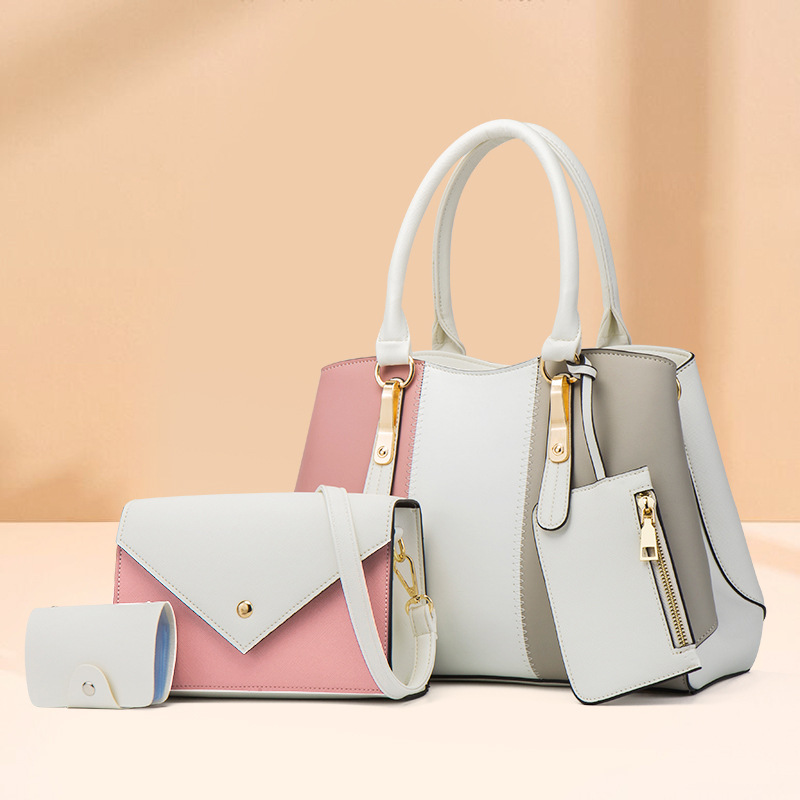
Leather and PU (polyurethane) are often presented as two competing pathways to achieving a luxury look. At PrinceBag Factory, the portfolio intentionally spans both materials to cater to diverse market demands. Premium leather options—ranging from full-grain and top-grain to corrected-grain—offer natural texture, longevity, and the patina that many consumers equate with true luxury. PU alternatives, particularly advanced premium PU and bio-based PU, deliver consistent appearance, lighter weight, and attractive price points while increasingly closing the gap in visual quality and tactile feel.
From a manufacturing perspective, leather requires specialized tanning, cutting, and finishing processes. Quality leather suppliers must meet strict hide selection protocols to avoid defects and ensure consistency. PU materials, on the other hand, involve precision coating and embossing processes that allow PrinceBag Factory to replicate desirable grain patterns, add protective finishes, and maintain tighter tolerance control for large-volume production.
Material Selection and Quality Control at PrinceBag Factory
PrinceBag Factory’s material selection begins with supplier qualification and traceability. For premium leather lines, the factory sources hides from tanneries with certified environmental and labor practices, prioritizing full-grain and top-grain hides with uniform thickness and minimal scarring. Each hide passes through a multi-point inspection for color fastness, tensile strength, and pliability.
PU materials undergo equally rigorous testing. High-grade PU laminates are evaluated for peel strength, UV resistance, color consistency, and abrasion endurance. The factory’s finishing team conducts accelerated wear tests and hand-feel panels to ensure the PU product meets the tactile expectations of premium consumers.
Quality control checkpoints are embedded throughout the production lifecycle: incoming material inspection, pre-production sampling, in-line inspections (stitch quality, edge finishing, hardware attachment), and final AQL (Acceptable Quality Limit) checks prior to shipping. PrinceBag Factory offers clients transparent QC reports, sample photos, and defect-trend analysis to support continuous improvement.
Customization and Design Flexibility
One of PrinceBag Factory’s competitive advantages is the ability to deliver tailored solutions. For private-label brands and boutique retailers, customization can include:
– Material blends (leather body with PU accents, or PU exterior with leather trim)
– Custom embossing and debossing (logos, monograms, patterns)
– Hardware finishes (brass, gunmetal, matte black, rose gold)
– Interior options (lining fabrics, pocket configurations, RFID-blocking pockets)
– Strap styles (detachable crossbody, chain-and-leather hybrids, adjustable shoulder straps)
Design teams work with clients to create tech packs, material boards, and prototypes. For new collections, PrinceBag Factory recommends a shortlist of 2–3 materials for initial sampling (e.g., top-grain leather, premium matte PU, and a bio-based PU), enabling side-by-side comparisons for cost, weight, and appearance before committing to full production.
Pricing Strategy and Wholesale Considerations
Pricing for premium leather and PU lines varies significantly depending on material grade, labor intensity, and hardware complexity. Leather lines typically command higher margins due to raw material costs and post-tanning processes. PU options are cost-efficient, enabling more competitive retail pricing or higher volume opportunities for private-label customers.
PrinceBag Factory structures wholesale pricing to reflect economies of scale: larger MOQ (minimum order quantity) discounts, bundle pricing for mixed-material assortments, and tiered pricing for seasonal commitments. They provide transparent cost breakdowns—material, labor, hardware, packaging, and QC—so clients can make informed pricing decisions for their retail channels.
Sustainability and Responsible Sourcing
Sustainability is increasingly central to purchase decisions. PrinceBag Factory addresses this by offering:
– Traceable leather sourced from tanneries with reduced-water tanning processes and certified effluent treatment
– Premium PU options with lower VOC emissions and improved durability that extend product life
– Bio-based PU alternatives that reduce reliance on petrochemicals
– Recycled and responsibly sourced lining fabrics
Beyond materials, the factory implements waste reduction programs, energy-efficient production practices, and social compliance audits to ensure safe working conditions. For brands seeking eco-labeling or sustainability claims, PrinceBag Factory collaborates on third-party certifications and supply chain documentation.
Care, Lifespan, and Consumer Education
Product longevity depends on both material selection and consumer care. For retailers, equipping customers with clear care instructions increases satisfaction and reduces returns. PrinceBag Factory recommends:
– Full-grain/top-grain leather: Use a pH-neutral leather cleaner, condition periodically with an appropriate leather conditioner, avoid prolonged water exposure, and store in dust bags.
– Corrected-grain leather: Clean with a damp cloth and mild soap; avoid aggressive conditioners which could affect surface finishes.
– Premium PU: Wipe with a damp soft cloth; avoid prolonged direct sunlight to prevent color fading.
– Bio-based PU: Follow manufacturer-specific care guidance; treat similarly to conventional PU but test cleaners on a hidden area first.
Educating consumers about expected patina, break-in behavior, and warranty coverage builds trust and supports premium pricing strategies.
| Material | Appearance & Texture | Durability & Maintenance | Typical Wholesale Price Range (Per Unit) | Best Use / Market |
|---|---|---|---|---|
| Full-grain Leather | Rich, natural grain; develops patina; premium hand-feel | Very durable; requires conditioning; resists tears; long service life | $45–$120 (depends on size & hardware) | Luxury and heritage-style handbags; premium boutiques |
| Top-grain Leather | Smoother finish; consistent dye absorption; refined look | High durability; easier maintenance than full-grain; good longevity | $35–$90 | Contemporary premium lines; mainstream luxury brands |
| Corrected-grain Leather | Uniform appearance; grain-embossed; cost-effective | Good abrasion resistance; maintain with light cleaning; less patina | $25–$60 | Mid-market fashion labels; trend-driven seasonal collections |
| Premium PU (Traditional) | Consistent finish; can mimic leather grain; lightweight | Low maintenance; wipe clean; less breathability; good water resistance | $8–$30 | Value-oriented fashion; vegan-friendly product lines |
| Bio-based / Advanced PU | High-end look; improved hand-feel; reduced petrochemical content | Improved durability over standard PU; similar care to PU; evolving tech | $12–$45 | Eco-conscious brands; higher-end vegan & hybrid collections |
Market Positioning and Retail Strategies
For retailers and brands selecting from PrinceBag Factory’s offerings, positioning depends on target demographics and distribution channels:
– Luxury boutiques: Emphasize full-grain or top-grain leather lines with limited-edition hardware and small batch production.
– Contemporary brand retailers: Focus on top-grain or corrected-grain leather with trend-led colors and functional interiors.
– Online-first fashion brands: Use premium PU blends for faster turnarounds, lower shipping costs, and broader colorways.
– Ethical/vegan brands: Adopt advanced or bio-based PU to align with brand values and communicate sustainability credentials.
PrinceBag Factory supports marketing with high-resolution product imagery, lifestyle photography guidelines, material story sheets, and suggested MSRP ranges to help retailers maintain margin and brand coherence.
After-Sales Support and Warranty
A robust after-sales policy reinforces perceived quality. PrinceBag Factory offers warranty options tailored to material type—longer coverage for leather lines and clear limitation statements for PU products. Services include:
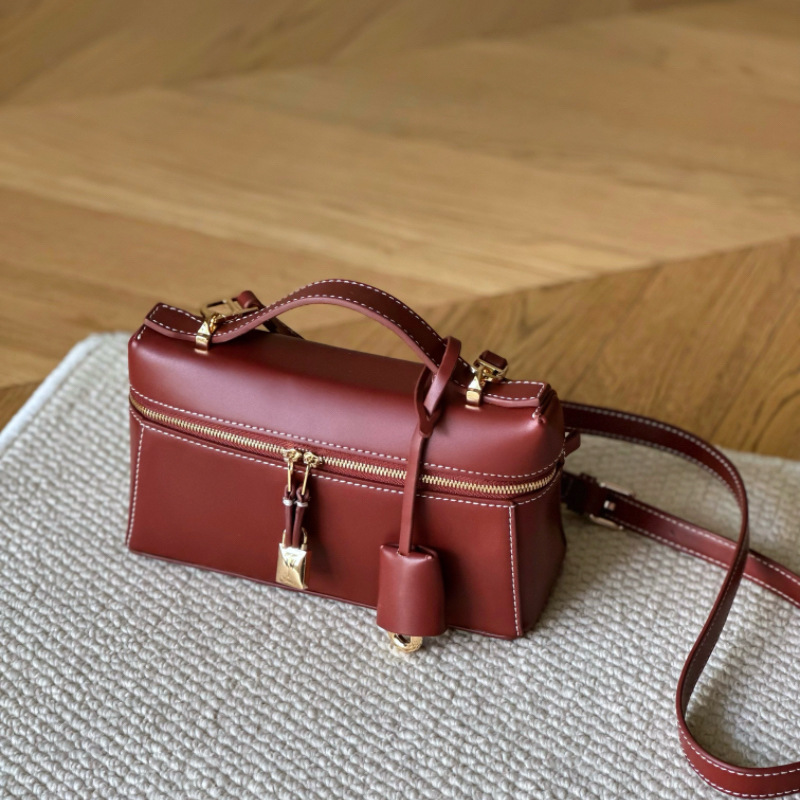
– Repair and refurbishment options for leather goods (edge re-finishing, re-stitching)
– Replacement parts for hardware and straps
– Guidance for authorized third-party repair partners in key regions
Providing customers access to repairs and maintenance services extends the product lifecycle and strengthens brand loyalty.
Choosing Between Leather and PU: A Practical Guide for Buyers
When advising clients or making inventory decisions, consider:
– Price sensitivity vs. perceived value: Leather commands higher price and creates a higher perceived value; PU supports broader distribution and faster SKU turnover.
– Target consumer values: Eco-conscious consumers may prefer advanced PU or certified leather from sustainable tanneries.
– Product function: For everyday handbags subjected to heavy use, top-grain leather or high-durability PU perform well; for heirloom pieces, full-grain leather is preferable.
– Customization needs: For complex finishes and embossing, PU allows more predictable results; leather offers unique, inimitable character.
Why PrinceBag Factory Is a Strategic Partner
PrinceBag Factory’s dual focus on premium leather craftsmanship and innovative PU solutions positions it as a versatile supplier for brands and retailers. Through rigorous material sourcing, comprehensive quality control, customization capabilities, and sustainability initiatives, the factory delivers options that align with varied retail strategies—from luxury boutiques to high-volume online brands. Whether the priority is the timeless appeal of leather or the cost-efficiency and ethical advantages of advanced PU, PrinceBag Factory provides the technical expertise and manufacturing flexibility to bring a competitive handbag collection to market.
For brands planning a new collection or retailers refreshing an assortment, engaging with PrinceBag Factory early in the design process yields the best outcomes: faster sampling cycles, clearer cost targets, and a production plan that balances aesthetics, durability, and business objectives.