


PrinceBag has positioned itself as a factory-direct wholesale supplier of handbags and purses for ladies, serving global retailers who demand consistent quality, competitive pricing, and scalable supply. For retailers operating in diverse markets—from department stores and boutique chains to e-commerce platforms and pop-up concepts—finding a manufacturing partner that delivers on product consistency, lead time reliability, and brand flexibility is essential. PrinceBag’s factory-direct model removes middlemen, enabling transparent costing and tighter control over production schedules, while offering private-label capabilities and design collaboration that align with retailers’ branding strategies.
PrinceBag Factory Direct Wholesale: A Strategic Partner for Global Retailers
Company Overview and Value Proposition
PrinceBag operates as a vertically integrated handbag and purse manufacturer focused on serving business-to-business clients worldwide. By combining in-house design, pattern-making, material sourcing, and final assembly, the company reduces the layers between raw materials and finished goods. This integration allows PrinceBag to offer factory-direct pricing, predictable minimum order quantities (MOQs), and accelerated sampling cycles—three critical advantages for retailers managing seasonal assortments and promotional calendars.
Key elements of the value proposition:
– Cost transparency through factory-direct pricing.
– Flexibility for private-label and co-branded collections.
– Scalable production capabilities across low-to-high volumes.
– Compliance and quality systems designed to meet international retail standards.
Product Range and Quality Standards
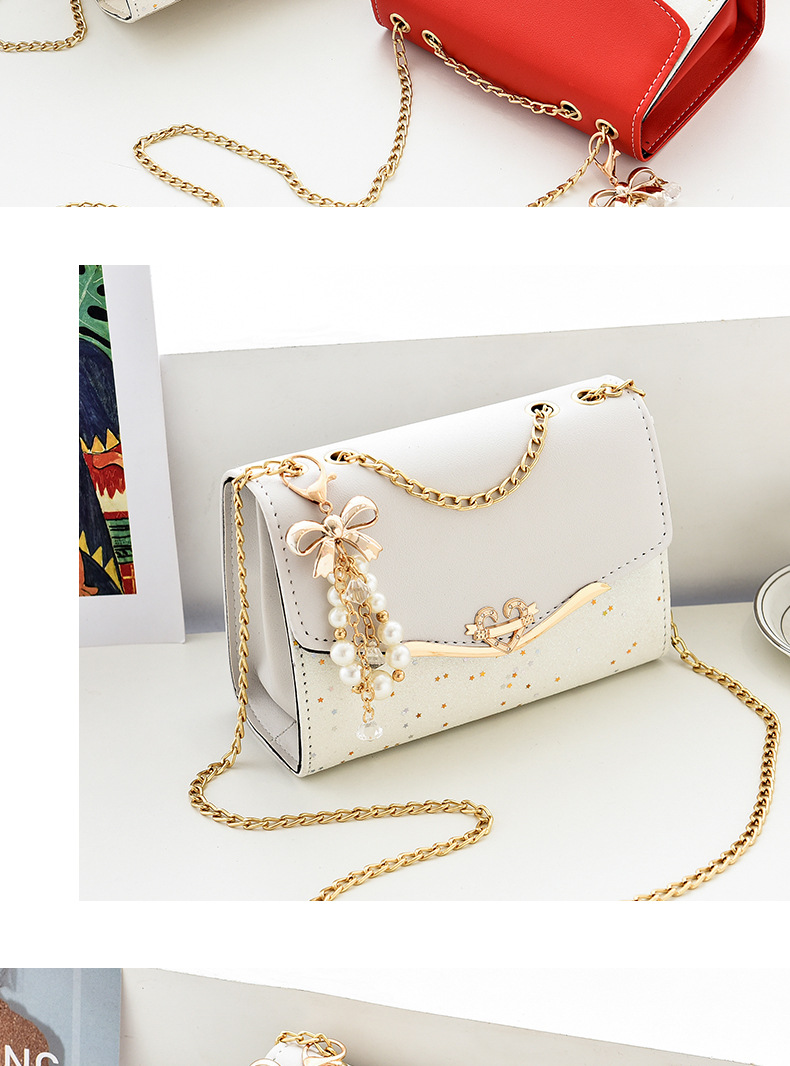
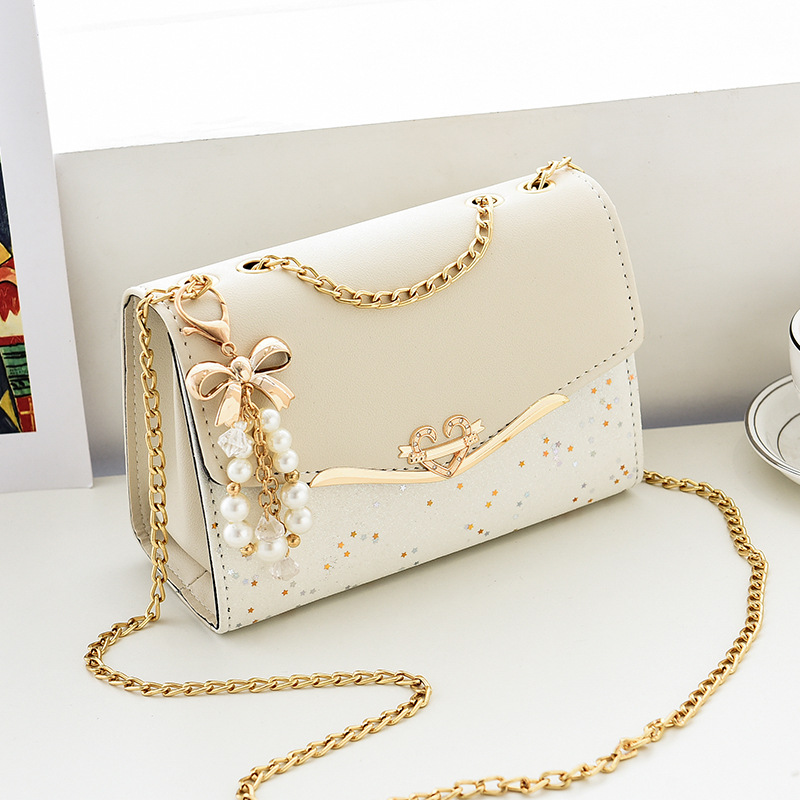
PrinceBag’s product portfolio spans classic silhouettes (totes, Shoulder Bags, satchels), fashion-forward items (mini bags, crossbody, belt bags), and specialty pieces (evening clutches, travel organizers). Material options include genuine leather, PU and microfiber leathers, canvas blends, and recycled synthetics. The factory maintains multiple quality checkpoints—incoming material inspection, in-line supervisory checks, and final product audits—to ensure dimensional accuracy, stitching integrity, hardware durability, and color consistency.
Quality certifications and processes commonly supported:
– ISO 9001 (quality management readiness).
– Material traceability documentation (for leather, metal hardware).
– AQL (Acceptable Quality Level) sampling for finished goods.
– Pre-shipment inspection (PSI) and third-party QA on request.
Manufacturing, Lead Times, and Minimums
Retailers benefit from PrinceBag’s modular production lines, which allow the factory to run small-batch pilot runs for test markets and ramp up to larger volumes for national rollouts. Typical lead times vary by complexity and order size: prototype samples often ship within 7–14 days; bulk production for stocked items commonly ranges from 30–75 days. MOQs are set by SKU and material choice, with strategic allowances for private-label launches and seasonal promotions.
Factors influencing lead time and MOQ:
– Complexity of hardware and custom mold creation.
– Availability and sourcing lead time of selected materials.
– Seasonal capacity constraints and peak-season booking.
– Required compliance testing and certification timelines.
Pricing Strategy and Cost Analysis
PrinceBag’s factory-direct pricing model is structured to accommodate both low-MOI starter assortments and high-volume replenishment contracts. Pricing tiers reflect material selection, hardware complexity, and order volume. An analysis table below provides sample product lines, MOQs, lead times, FOB price ranges, and key features to help retailers assess fit for their assortments.
| Product Line | MOQ (pcs) | Lead Time (weeks) | FOB Price Range (USD) | Key Features |
|---|---|---|---|---|
| Tote Bag (Medium) | 200 | 6–8 | $12.00 – $28.00 | Structured base, interior pockets, PU/Canvas options |
| Crossbody (Everyday) | 300 | 5–7 | $8.50 – $20.00 | Adjustable strap, metal hardware, multiple colors |
| Evening Clutch | 150 | 6–9 | $10.00 – $35.00 | Embellishments, satin lining, optional logo plate |
| Shoulder Bag (Leather) | 250 | 8–12 | $25.00 – $65.00 | Full-grain/corrected leather, reinforced straps |
| Mini & Fashion Bags | 400 | 4–6 | $5.00 – $15.00 | Trend-driven, seasonal colors, quick turn |
Analysis of the table:
– Lower-cost SKUs (mini and crossbody) target fast-fashion and promotional placements with higher MOQs optimized for volume pricing.
– Leather shoulder bags have higher price points and longer lead times due to material sourcing and finish work—suitable for premium lines.
– Evening clutches require careful QA on embellishments and finishes, leading to slightly higher unit costs and variable lead times.
– Retailers can mix high-turn low-priced items with higher-margin leather goods to balance inventory risk and margin profile.
Customization and Private Label Services
PrinceBag provides full private-label services: logo embossing/debossing, custom lining prints, tag/packaging solutions, and custom hardware. Design collaboration services include digital flat sketches, 3D renderings, and rapid prototyping. For retailers, private-label arrangements can enhance brand differentiation while maintaining control over price positioning and retail margins.
Considerations for customization:
– One-time tooling or mold fees for custom hardware.
– Minimum order adjustments for bespoke materials or prints.
– Lead time extensions for unique dye lots and lab dips.
Quality Control, Compliance, and Ethical Sourcing
Global retailers increasingly require documented supply chain compliance. PrinceBag’s factory-direct approach facilitates consolidated documentation: material certificates, CPSIA or REACH compliance where relevant, and social audit readiness (BSCI, Sedex) for retail chains requiring ethical sourcing verification. A robust internal QA program reduces defective shipments and returns—key for maintaining retailer margins.
Best practices:
– Request third-party testing for chemical restrictions applicable to target markets.
– Include AQL thresholds in purchase orders and outline remedy processes for non-conforming lots.
– Verify social compliance reports and corrective action plans for audit findings.
Logistics, Packaging, and Distribution
PrinceBag supports multiple logistics options: FOB shipping for sea shipments, EXW for domestic pickup, and DDP arrangements for retailers seeking landed-cost clarity. Efficient packaging design—collapsible boxes, bulk polybagging, and retail-ready hangtags—can reduce shipping volume and inbound handling costs, especially for omni-channel retailers balancing warehouse and direct-to-consumer fulfillment.
Logistics tips for retailers:
– Consolidate multiple SKUs into full-container loads (FCL) to reduce per-unit freight costs.
– Negotiate staggered production and shipping schedules to align with promotional windows.
– Factor in customs clearance and import duties when calculating landed cost and retail pricing.
Sustainability and Material Innovation
Sustainability is now integral to brand narratives, and PrinceBag offers options such as recycled PU, veg-tanned leathers, and certified cotton blends. Retailers should evaluate the lifecycle impacts, supplier traceability, and the marketing claims they can substantiate. Certifications and third-party verifications (e.g., Global Recycled Standard) can strengthen sustainability claims and resonate with eco-conscious consumers.
Recommendations:
– Start with a pilot sustainable capsule to test consumer reception and pricing tolerance.
– Ensure material certificates and chain-of-custody documentation are part of the purchase contract.
Marketing, Merchandising, and Assortment Strategy
Retailers working with PrinceBag should align product selection with merchandising plans: hero product launches, core everyday assortments, and seasonal trend drops. Effective merchandising mixes quality staples (mid-price leather goods) with trend-led, high-turn items to drive traffic and maintain fresh inventory. PrinceBag can support lookbooks, product photography, and sample sets to aid retail merchandising and digital commerce needs.
Merchandising best practices:
– Use best-selling core SKUs as evergreen items to ensure steady turnover.
– Allocate a small percentage of assortment to test new trends with limited runs.
– Coordinate marketing campaigns with production and delivery schedules to minimize stockouts.
Risk Management and Due Diligence
Sourcing from any single factory carries risks: capacity constraints, geopolitical disruption, and supplier solvency. PrinceBag mitigates these risks by maintaining multi-line capacity, backup material suppliers, and transparent communication. Retailers should perform due diligence: factory visits (virtual or in-person), reference checks with other clients, and written service-level agreements (SLAs) specifying on-time delivery rates and quality acceptance criteria.
Key risk mitigation steps:
– Negotiate staggered deliveries to reduce inventory concentration risk.
– Maintain buffer stock for top-selling SKUs in regional warehouses.
– Include penalty clauses for critical delivery failures and clear quality remediation terms.
Recommendations for Global Retailers Partnering with PrinceBag
– Begin with a pilot program: test 2–3 core SKUs across a limited number of markets to validate fit and consumer response.
– Leverage the factory-direct pricing to create differentiated price tiers within your brand—entry-level trend items and premium leather staples.
– Invest in private-label design collaboration to develop signature elements that distinguish your line.
– Insist on documented compliance and third-party testing for markets with stringent regulations.
– Build a cadence for replenishment orders aligned with sales data and promotional calendars to avoid overstock and markdowns.
PrinceBag’s factory-direct model offers a compelling solution for retailers who need reliable, cost-effective handbag and purse sourcing with the flexibility to scale and customize. With strong quality controls, private-label capabilities, and a transparent pricing approach, PrinceBag can support the strategic needs of global retailers seeking to balance margin pressure, consumer demand for novelty, and compliance obligations. Retailers that adopt disciplined sampling, clear contractual terms, and an iterative assortment strategy will be best positioned to maximize the benefits of a factory-direct partnership while minimizing supply chain risk.
In summary, PrinceBag is a viable manufacturing partner for global retail brands aiming to combine competitive costs with design flexibility and operational reliability. Engaging early in the design and planning process, validating quality standards, and coordinating logistics and marketing timelines will ensure a productive, long-term relationship that drives sales and enhances brand value.