

PrinceBag has established itself as a trusted partner in the handbag and travel accessories sector, offering both OEM (Original Equipment Manufacturer) and ODM (Original Design Manufacturer) services tailored for global wholesalers. As international markets demand faster product cycles, higher customization, and tighter supply chain integration, a manufacturer like PrinceBag provides the technical capability, design expertise, and production agility to meet those needs. This article analyzes PrinceBag’s service model, competitive strengths, quality and compliance processes, and practical advice for global wholesalers exploring OEM/ODM partnerships.
What OEM and ODM Mean for Wholesalers
OEM (Original Equipment Manufacturer): In an OEM relationship, the wholesaler supplies specifications or designs and PrinceBag manufactures the products according to those exact requirements. This model benefits buyers who already have clear product specs, branding, and SKU strategies and want consistent production quality at scale.
ODM (Original Design Manufacturer): In an ODM arrangement, PrinceBag provides end-to-end design, prototyping, and production services. Wholesalers can choose from existing designs or co-develop new collections with PrinceBag’s in-house design team. ODM is ideal for buyers seeking quicker time-to-market, trend-responsive products, and cost-effective development without maintaining a large in-house design team.
Market Positioning and Value Proposition
PrinceBag positions itself as a full-service supplier for medium-to-large global wholesalers who require:
– Versatile materials capability (leather, PU, nylon, technical fabrics).
– Flexible production runs from small bespoke batches to full-scale orders.
– Fast sampling and prototyping with iterative design feedback.
– Compliance with international regulations and private-label readiness.
Value proposition elements:
– End-to-end capability: From concept sketches and material sourcing to final packing.
– Customization depth: Hardware, lining, modular compartments, protective features for travel items.
– Cost efficiency: Economies of scale for larger orders, and optimized BOM (bill of materials) management for margin control.
– Supply chain integration: Vendor-managed inventory (VMI), drop-shipping options, and consolidated shipments for multi-SKU lines.
Core Capabilities and Technical Strengths
PrinceBag’s technical strengths include pattern making, CAD-based design, leather and textile sourcing, hardware stamping and plating, CNC cutting, and automated stitching. Their quality teams implement inline inspections and AQL (Acceptable Quality Level) sampling. For travel products, they offer specialized features like TSA-approved locks, anti-theft zips, water-resistant coatings, reinforced frames, and integrated charging pockets.
– Design & R&D: Trend research, color forecasting, and 3D mockups.
– Material sourcing: Access to both premium hides and cost-effective synthetics.
– Manufacturing processes: Multiple factories specializing in different materials to ensure consistent quality and capacity.
– Testing: Durability, abrasion, zipper cycles, colorfastness, and chemical residue testing to meet EU REACH, US CPSIA, and other regional standards.
Quality Assurance and Compliance
Wholesalers face increasing regulatory pressure and rising consumer expectations for sustainability and safety. PrinceBag addresses these via:
– Supplier audits: Regular supplier qualification and social compliance audits (BSCI/SMETA).
– Material traceability: Providing certificates for leather tanning, textile compositions, and chemical treatments.
– Product testing: Samples and pre-shipment test reports for mechanical and chemical safety.
– Documentation: Full customs documentation, labeling compliance, and guidance on tariffs and trade agreements.
Implementing a robust QA process reduces returns and preserves brand reputation for wholesalers. Typical checkpoints include pre-production sample approval (PPS), first-article inspection (FAI), inline inspections, and final random inspections.
Customization, Branding, and Private Label Strategies
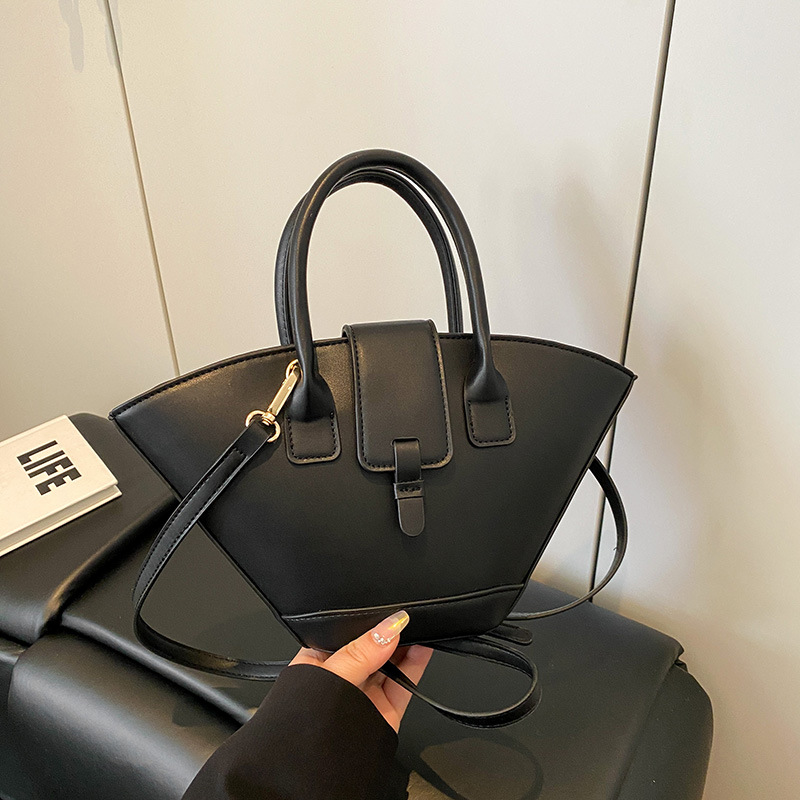
Customization spans from logo embossing and bespoke hardware to exclusive colorways and functional adaptations. PrinceBag’s private-label services include:
– Brand integration: Embossed logos, metal plates, tags, custom dust bags, and packaging design.
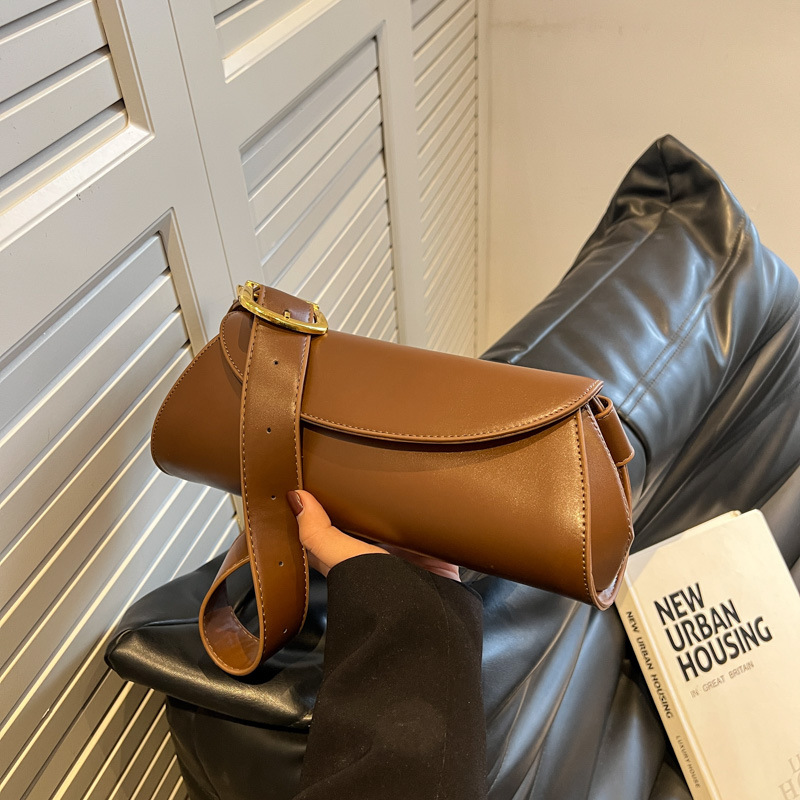
– SKU management: Coordinated colorways, size gradations, and modular SKU assemblies for direct-to-retail formats.
– Seasonal collections: Fast-turn seasonal capsules leveraging ODM templates to cut lead time.
For wholesalers, private label partnerships allow margin control and brand differentiation without investing in in-house manufacturing. PrinceBag’s design consultants can help translate market data into product assortments aligned with a wholesaler’s target demographic.
Supply Chain Logistics and Lead Time Management
Timely delivery and global logistics are core concerns for wholesalers. PrinceBag offers multiple logistics solutions:
– Consolidated shipments: Aggregating multiple SKUs into single sea/air consignments to reduce per-unit freight cost.
– Drop-shipping support: Direct-to-customer fulfillment for B2B-to-B2C wholesalers.
– Safety stock and VMI: Warehouse programs to mitigate stockouts and shorten replenishment cycles.
Typical lead times:
– Sample/prototype: 7–21 days depending on complexity.
– Small batch production: 2–6 weeks.
– Full production: 6–12 weeks (materials, season, and order volume dependent).
These timelines vary by material availability and global shipping conditions. Early material booking and flexible routing can reduce disruption risk.
Pricing Models and Minimum Order Quantities (MOQs)
PrinceBag structures pricing based on materials, complexity, order volume, and finishing options. Typical pricing levers include:
– Volume discounts: Per-unit cost decreases as order quantity grows.
– Design complexity: Custom molds, hardware, and special treatments increase unit cost.
– BOM optimization: Substituting materials or streamlining construction steps to meet target price points.
MOQs differ by product type:
– Simple travel pouches or nylon totes: lower MOQs, often 300–500 units.
– Leather handbags with custom hardware: higher MOQs, commonly 500–2,000 units.
– ODM collections leveraging existing molds or designs: sometimes lower MOQs due to reuse of assets.
Wholesalers should negotiate phased rollouts to test markets with smaller initial quantities, followed by reorders based on performance.
Table: OEM/ODM Service Analysis for Wholesalers
| Service/Feature | Benefit for Wholesalers | Typical Lead Time | MOQ Range | Estimated Cost Range (per unit) |
|---|---|---|---|---|
| Material Sourcing (leather, PU, nylon) | Access to varied price points & quality tiers | 1–4 weeks (depends on availability) | 300–2,000 | $3–$60 |
| Design & Prototyping (ODM) | Faster market entry; design expertise | 7–21 days | 1–500 (samples vs production) | $50–$300 (sample); $8–$80 (production) |
| Manufacturing (assembly & hardware) | Consistent quality and scalable output | 4–12 weeks | 300–5,000+ | $5–$120 |
| Quality Control & Testing | Reduced returns & compliance assurance | Inline; final 3–7 days | Applies per batch | $0.50–$5 per unit (testing amortized) |
| Logistics & Packaging | Optimized freight; brand packaging | 2–8 weeks (sea/air choice) | No MOQ for packaging design; MOQ for production | $0.50–$10 packaging; freight varies |
Sustainability and Ethical Practices
Sustainable sourcing and ethical manufacturing increasingly influence buyer choices. PrinceBag’s approach includes:
– Material alternatives: Recycled textiles, vegan leathers, and low-impact dyes.
– Waste reduction: Pattern optimization and offcut utilization strategies.
– Ethical labor practices: Audited factories and worker welfare programs.
– Transparency: Sharing supplier lists, certifications, and test reports with buyers.
For wholesalers, sustainability is not just compliance—it’s a market differentiator. PrinceBag can help wholesalers develop eco-lines or meet retailer-specific sustainability requirements.
Risk Management and Contingency Planning
Wholesalers should evaluate and mitigate risks when partnering with any OEM/ODM:
– Single-source risk: Diversify material and component suppliers to avoid production halts.
– Currency and tariff exposure: Fixed-price contracts, currency hedging, and careful trade-lane selection.
– Quality drift: Contractual KPIs and penalties for substandard batches; require AQL thresholds.
– Shipping delays: Build buffer inventory and use multi-modal logistics for critical SKUs.
PrinceBag supports risk mitigation through supplier backups, inventory programs, and flexible production allocation across facilities.
How Wholesalers Should Evaluate PrinceBag
When assessing PrinceBag as an OEM/ODM partner, wholesalers should use a structured checklist:
– Technical fit: Can PrinceBag handle the materials, hardware, and finishing your products require?
– Design collaboration: Does the design team demonstrate market knowledge and prototyping speed?
– Cost transparency: Are BOMs, tooling fees, and ancillary charges clearly presented?
– Compliance: Can PrinceBag supply necessary certifications and test reports?
– Capacity & flexibility: Is there room to scale up or down seasonally?
– Communication & responsiveness: How quickly are sample revisions and inquiries handled?
– Logistics capability: What are their freight partners, lead time guarantees, and consolidation options?
Short trials or pilot programs are effective for testing mutual fit before full-scale commitments.
Case Use Scenarios and Best Practices
Scenario 1 — Seasonal Travel Capsule:
A European wholesaler wants a 6-piece travel capsule for summer. Using PrinceBag’s ODM templates, they reduce sampling time and launch within 8 weeks, ordering 1,500 units across six SKUs. Best practices: Pre-approve trims, lock-in NIL colorways, and use air freight for initial replenishment.
Scenario 2 — Private Label Leather Line:
A boutique US wholesaler commissions a leather handbag line with custom hardware. PrinceBag sources premium hides, manufactures custom metalwork, and provides full QA. MOQ is higher, but unit margins are strong. Best practices: Approve PPS and FAI, negotiate staged payments, and set strict AQL limits.
Scenario 3 — Test-and-Scale Strategy:
A wholesaler tests a new anti-theft travel bag in small batches (300 units) via PrinceBag’s small-batch program, then scales to 3,000 units after market validation. Best practices: Use VMI to manage inventory and secure a locked price for reorders.
Recommendations for Successful Partnerships
– Start with a clear spec and a prioritized feature list to control costs.
– Use phased rollouts: sampling → pilot → full production to validate demand.
– Include contractual safeguards: lead-time SLAs, quality KPIs, and IP protections.
– Build a collaborative design process with monthly checkpoints.
– Leverage PrinceBag’s market insights for trend alignment and expanded SKU planning.
– Invest in packaging and branding early to avoid last-minute delays.
PrinceBag’s OEM and ODM capabilities present a compelling value proposition for global wholesalers seeking reliable manufacturing, strong design collaboration, and supply chain flexibility. Whether a wholesaler needs private-label leather handbags, cost-effective travel accessories, or trend-driven ODM collections, PrinceBag provides the technical infrastructure, compliance controls, and logistics options to support scalable growth. Careful evaluation—using pilot orders, clear contract terms, and phased development—will maximize the benefits of partnering with PrinceBag while minimizing operational risk.