


PrinceBag Reliable American Leather handbags Factory for Global Clients stands as a clear statement of intent: to be the dependable manufacturing partner that global retailers, designers, and private-label brands turn to for high-quality American leather handbags. In an industry where craftsmanship, supply chain transparency, and agility matter as much as cost and scale, PrinceBag has built a differentiated proposition by combining heritage leather techniques with modern production management and client-centric services. This article explores PrinceBag’s capabilities, operational strengths, quality control, sustainability practices, customization options, logistics solutions, and the measurable benefits global clients can expect.
Company Overview and Strategic Focus
Heritage Meets Modern Manufacturing
PrinceBag blends traditional leatherworking know-how with contemporary factory systems. The company’s core competency is in working with American-sourced full-grain and top-grain leathers—materials prized for their durability, patina, and consumer appeal. PrinceBag’s factory supports a range of production scales, from boutique seasonal runs of a few hundred units to large, recurring orders in the tens of thousands, enabling partnerships with both emerging designers and established retailers.
Client Segments and Market Reach
PrinceBag serves:
– Luxury and accessible-luxury brands seeking consistent leather quality and finishing.
– Department stores and mass-market retailers needing scalable, cost-efficient production.
– Direct-to-consumer (DTC) brands requiring fast turnaround and frequent model refreshes.
– Private-label and contract manufacturers looking for OEM/ODM capabilities.
These client segments value PrinceBag for its combination of American leather sourcing, rigorous quality management, and willingness to accommodate design variability and co-development.
Manufacturing Capabilities and Technical Strengths
Material Sourcing and Leather Expertise
PrinceBag’s specialization in American leather is a strategic differentiator. Domestic sourcing shortens supply chains, improves traceability, and resonates with clients seeking “Made with American Leather” credentials. The factory maintains relationships with tannery partners that provide:
– Full-grain and top-grain hides with consistent thickness and finish.
– Vegetable-tanned and chrome-tanned options for different price and performance needs.
– Specialty treatments (aniline, semi-aniline, pull-up) for distinctive looks and tactile qualities.
The in-house leather lab ensures incoming hides meet cutting, stamping, and finishing specifications, reducing waste and downstream defects.
Production Processes and Technology
PrinceBag’s production integrates:
– Precision cutting (CNC and clicker dies) to maximize yield and consistency.
– Skilled hand-stitching stations for visible seams and luxury details.
– Automated assembly lines for repeatable elements (lining insertion, hardware attachment) to lower unit costs at scale.
– Digital workflow systems for order tracking, quality checkpoints, and communication with clients.
This hybrid approach—combining automation where it delivers ROI and handcraft where it matters—enables efficient production of complex handbag designs without sacrificing perceived value.
Quality Assurance and Compliance
End-to-End Quality Control
Quality assurance at PrinceBag is multi-layered:
– Raw material inspection at intake for defects, dye consistency, and measurement variance.
– Inline QC checkpoints at cutting, sewing, and assembly stages.
– Final inspection for functionality (zippers, closures), appearance (surface uniformity, stitches per inch), and packaging integrity.
PrinceBag uses statistically driven sampling and non-conformance tracking to feed continuous improvement loops. Detailed QC reports and photos are delivered with shipments so clients can audit quality remotely.
Regulatory and Labor Compliance
PrinceBag maintains compliance with relevant labor and environmental regulations. Certifications and audit readiness include social compliance standards and safety protocols expected by international buyers. Traceability of leather origin supports claims about provenance and regulatory due diligence.
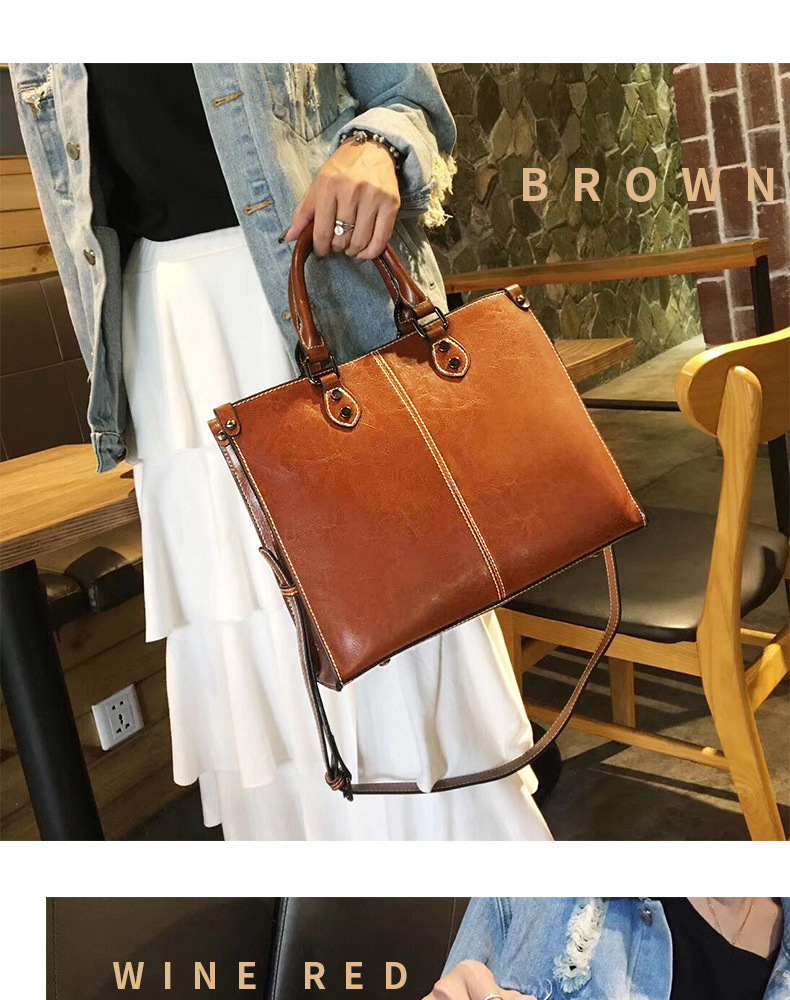
Customization, Design Collaboration, and ODM/OEM Services
Design for Manufacturing (DFM)
PrinceBag provides design-for-manufacturability feedback early in product development to optimize cost, durability, and scalability. This service reduces the risk of costly reworks and speeds time-to-market. The factory offers prototyping capabilities—rapid samples, pre-production runs, and colorway development—so clients can evaluate physical prototypes before committing to full-scale production.
Private Label and Co-Branding
Whether clients require discreet private-label production or co-branded campaigns, PrinceBag accommodates multiple branding strategies. Custom hardware, embossed logos, hangtags, and personalized packaging options are part of the offering. PrinceBag also supports small-batch capsule collections to test markets without large inventory commitments.
Sustainability Practices and Corporate Responsibility
Material and Process Sustainability
PrinceBag’s sustainability efforts focus on:
– Preferential sourcing of leather from tanneries with responsible waste treatment and lower chemical footprints.
– Reducing leather waste via optimized cutting patterns and recycling offcuts in accessory lines.
– Using eco-friendly dyes and water management systems to minimize effluent impact.
These practices not only support regulatory compliance but also align with consumer trends prioritizing environmental responsibility.
Ethical Supply Chain and Traceability
Traceability tools and documentation help clients make claims about responsible sourcing. PrinceBag offers supply chain transparency reports so brands can communicate provenance and compliance to consumers and stakeholders.
Logistics, Lead Times, and Global Delivery
Flexible Lead Times and Inventory Strategies
PrinceBag supports different fulfillment models:
– Make-to-order for minimized inventory risk.
– Make-to-stock with agreed-upon safety inventory levels for seasonal peaks.
– Consignment inventory for strategic retail partners needing on-shelf readiness.
Lead times are competitive due to domestic leather sourcing and optimized production scheduling, but PrinceBag also offers expedited options for urgent orders.
Global Shipping and Trade Support
International clients benefit from PrinceBag’s experience in export documentation, duty management options, and consolidated shipping. The factory works with freight forwarders to optimize cost and delivery times and can support DDP (Delivered Duty Paid) or FOB (Free on Board) terms per client preference.
Commercial Model: Pricing, MOQ, and Value Proposition
Pricing and Minimum Order Quantities (MOQs)
PrinceBag’s pricing reflects material quality, design complexity, and production volume. MOQs are tailored: smaller runs for high-value luxury models and larger minimums for cost-sensitive mass-market styles. Transparent costing and modular pricing (separating tooling, leather, hardware, and labor) help clients project margins and retail pricing.
Value over Lowest Cost
PrinceBag competes on reliability, quality, and speed rather than being the lowest-cost producer. For brands that prioritize long-term reputation and repeatability, PrinceBag’s lower defect rates and dependable lead times translate directly into lower total landed costs and fewer lost sales from quality issues.
Risk Management and Continuous Improvement
Mitigating Supply Chain Disruptions
PrinceBag mitigates risks by maintaining multiple leather suppliers, holding strategic buffer stocks of key trims, and using predictive scheduling tools. Clear communication protocols and contingency planning (alternate suppliers, expedited logistics routes) reduce the likelihood that disruptions will derail client programs.
Data-Driven Improvements
Operational KPIs—first-pass yield, on-time delivery, defect rates, and lead-time variance—are tracked and reviewed with clients. This data informs process changes, staff training, and tooling investments, creating measurable improvement over time.
Performance Analysis: Key Metrics for Clients
Below is a concise analytical table that compares core metrics important to global clients, illustrating how PrinceBag typically performs relative to industry expectations and the impact on clients.
| Metric | Description | PrinceBag Strength | Industry Benchmark | Impact on Clients |
|---|---|---|---|---|
| On-Time Delivery | Percentage of orders shipped by promised date | 95%+ | 88%–92% | Improves retail planning and reduces stockouts |
| First-Pass Yield | Units passing QC without rework | 92%–97% | 85%–93% | Reduces rework cost and short-notice replacements |
| Lead Time (avg) | Order placement to shipment | 6–10 weeks (varies by complexity) | 8–14 weeks | Faster time-to-market for seasonal launches |
| Defect Rate | Units rejected post-shipment or returned | <1.5% | 2%–5% | Lower returns and higher customer satisfaction |
| Sustainability Compliance | Traceability and eco-standards met | High (tannery partnerships & reporting) | Variable | Supports brand ESG claims and consumer trust |
Client Success Stories and Use Cases
Rapid Capsule Launch for a DTC Brand
A direct-to-consumer label came to PrinceBag with a 10-SKU capsule collection and a 12-week window to market. Through prioritized prototyping, compressed sample approval cycles, and an expedited production plan, PrinceBag delivered on schedule. The client launched on time, capturing a seasonal sales spike and establishing a reliable supplier relationship.
Private-Label Program for a Retail Chain
A national retailer required a private-label handbag range with consistent colorways and strict cost controls. PrinceBag’s optimized cutting patterns and negotiated trims reduced per-unit cost while maintaining a premium leather feel. The retailer realized higher margin and lower return rates thanks to robust QC processes.
How to Evaluate PrinceBag as Your Manufacturing Partner
Checklist for Prospective Clients
– Verify leather provenance and request tannery documentation.
– Ask for sample production flow and lead-time guarantees.
– Review QC reports and request references from similar clients.
– Confirm MOQ flexibility and pricing transparency.
– Evaluate logistics support and customs/shipping options.
A factory visit or virtual audit can validate these claims and provide assurance of alignment on quality and timelines.
The Strategic Value of Partnering with PrinceBag
PrinceBag Reliable American Leather Handbags Factory for Global Clients encapsulates the core advantages the company offers: American leather expertise, a hybrid manufacturing model that balances craftsmanship with automation, strong quality controls, and a client-first commercial approach. For brands that need reliability, traceability, and a partner capable of scaling with them, PrinceBag presents a compelling option. The value is not strictly in unit price—it’s in dependable delivery, fewer defects, transparent sourcing, and a collaborative stance that helps bring products to market faster and with greater consumer appeal.