


In today’s competitive fashion market, brands and retail buyers are searching not just for suppliers, but for strategic partners who can deliver consistent quality, reliable lead times, and sustainable practices. The demand for premium leather goods — especially statement pieces like green leather Tote Bags — has grown significantly as consumers look for durable, stylish, and environmentally conscious options. Choosing a factory partner that aligns with these priorities can make or break a product line’s success, particularly when long-term supply, scalability, and brand integrity are at stake.
PrinceBag Top Quality Green leather tote bag Factory Long Term Supply Partner
Why a Dedicated Long-Term Factory Partner Matters
Establishing a long-term supply partnership with a factory like PrinceBag reduces risk and increases efficiency across the product lifecycle. Short-term vendors might satisfy a one-off order, but recurring collaborations allow both parties to optimize processes, negotiate better materials pricing, and lock in production schedules. For green leather tote bags, which combine the technical requirements of leatherworking with the aesthetic demands of fashion consumers, the benefits of a stable partnership are especially pronounced:
– Improved material sourcing and cost stability.
– Streamlined quality assurance tailored to brand specifications.
– Predictable lead times and capacity planning.
– Co-development opportunities for design and sustainability features.
Product Quality and Material Expertise
PrinceBag positions itself as a specialist in top-quality green leather tote bags, which requires mastery in several domains. First is leather selection: full-grain and top-grain leathers provide durability and character; vegetable-tanned and chrome-free options appeal to eco-conscious consumers. Second is tannery relationships: a factory with established tannery partners can secure consistent hide batches and custom-dyed greens that match seasonal palettes. Third, craftsmanship matters: proper cutting, stitching, edge finishing, and hardware installation directly influence a tote’s longevity and perceived value.
Quality control must be embedded in every step. Incoming material inspection, in-line checks during assembly, and final inspection procedures all contribute to an end product that meets retail standards and reduces return rates. For premium green leather totes, finishing touches — such as edge glazing, reinforced handles, and quality linings — are differentiators that justify price premiums and foster brand loyalty.
Manufacturing Capabilities and Scalability
A reliable long-term partner must be able to scale production up or down based on seasonal demand without sacrificing quality. This requires:
– Flexible production lines equipped for leatherwork and bag assembly.
– Skilled artisans for hand-finished elements and machine operators for precision tasks.
– Capacity buffers to accommodate rush orders or unexpected inventory needs.
PrinceBag’s reported capabilities include batch production and small-batch custom runs, making them suitable for both established brands scaling up and boutique labels seeking bespoke finishes. Effective capacity planning and transparent communication about lead times enable buyers to plan launches and promotions without last-minute surprises.
Sustainability and Green Leather Options
“Green leather” can mean different things: environmentally dyed leather, vegetable-tanned hides, or leather sourced with minimized chemical impact. Buyers should clarify their definition of green leather with suppliers. PrinceBag’s positioning around green leather tote bags emphasizes material traceability and lower-impact tanning methods. Partners should evaluate:
– Supplier certifications and tannery audits.
– Chemical management systems and wastewater treatment.
– Supply chain transparency for traceability back to the tannery and farm level.
Sustainability isn’t just ethical; it’s a market differentiator that can command higher margins and attract eco-conscious customers.
Customization, Minimum Order Quantities, and Lead Times
Customization options are critical for brands that differentiate through color, hardware, branding, and internal layouts (e.g., pockets, zipper compartments). A long-term partner should offer:
– Custom dye matching for green tones and durable surface finishes.
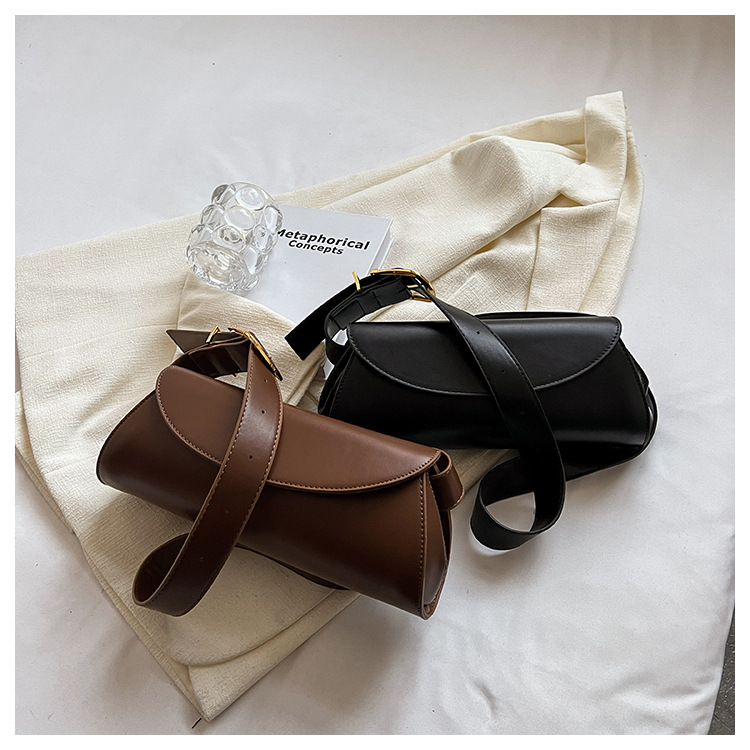
– Private label services including embossed logos, woven labels, and printed linings.
– Flexible minimum order quantities (MOQs) for product testing and seasonal capsules.
Lead times depend on complexity: standard stock items may ship in weeks, while customized green leather totes (special dye, custom hardware) can take months. Transparent production calendars and milestone reporting help buyers manage marketing and distribution timelines.
Quality Assurance and Certifications
For retail buyers, certifications and documented quality systems are tangible evidence of reliability. Relevant elements include:
– ISO-quality systems, social compliance audits (BSCI/SMETA), and environmental management certifications (ISO 14001).
– Leather-specific standards and testing for colorfastness, tensile strength, and hardware durability.
– In-house QA teams performing AQL inspections and pre-shipment checks.
Long-term partnerships benefit from continuous improvement programs where factory and buyer review defect rates, address root causes, and implement corrective actions.
Logistics, Packaging, and After-Sales Support
A trusted supply partner goes beyond manufacturing. Efficient logistics planning — coordinating sea/air shipments, consolidated containers, and customs documentation — reduces landed costs and avoids delays. Packaging is also strategic: protective, attractive packaging can enhance brand presentation while meeting sustainability goals (recycled cartons, minimal plastics). After-sales support from PrinceBag might include warranty handling processes, repair services, or spare-part supply that preserves brand reputation.
Pricing Strategy and Cost Transparency
Cost competitiveness isn’t just about low unit price; it’s about total cost of ownership. Long-term contracts can yield volume discounts, but buyers should evaluate:
– Material cost breakdown (leather, hardware, lining).
– Labor content and complexity premiums.
– Tooling and mold fees for hardware or unique components.
– Logistics and duty considerations.
Transparent cost breakdowns foster trust and make it easier to negotiate realistic retail margins and promotional plans.
Risk Management and Mitigation
A supply partner must help mitigate risks such as material shortages, geopolitical disruptions, and quality variance. Best practices include:
– Dual sourcing strategies for critical components.
– Safety stock arrangements and buffer production capacity.
– Joint contingency planning and regular risk reviews.
A proactive partner like PrinceBag that shares production forecasts and maintains open communication reduces exposure to unexpected supply chain shocks.
How to Evaluate PrinceBag as a Long-Term Partner
When vetting PrinceBag or similar factories, perform a comprehensive supplier evaluation:
– Site visits or third-party audits to validate facilities and working conditions.
– Sample iterations to confirm leather shades, finishing quality, and hardware compatibility.
– Pilot orders to test lead times and logistics workflows.
– Reference checks with other clients to assess collaboration practices and responsiveness.
Long-term success depends on alignment of values, operational transparency, and mutual commitment to continuous improvement.
Analysis Table
| Aspect | PrinceBag Strength | Market Benchmark | Potential Risk | Recommended Action |
|---|---|---|---|---|
| Leather Quality | Access to high-grade hides and custom dyeing | Top-tier tanneries with consistent batches | Color variance between batches | Lock in dye formulas and request pre-production samples |
| Manufacturing Capacity | Flexible small and mid-batch production | Large factories with high-volume lines | Scaling delays for sudden large orders | Agree on ramp-up timelines and capacity reservations |
| Sustainability | Focus on lower-impact tanning and traceability | Certified eco-tanneries and full-chain transparency | Incomplete traceability beyond tannery | Require chain-of-custody documentation and audits |
| Quality Control | In-line and final inspections; AQL practices | ISO-driven QA systems and third-party testing | Inconsistent inspection reporting | Implement joint QA scorecards and monthly reviews |
| Logistics & Lead Times | Established shipping partners; ETA transparency | Integrated logistics with multi-modal options | Port congestion or customs delays | Use staggered shipments and buffer inventory |
Practical Steps to Start a Long-Term Relationship
1. Define clear product specifications: exact green shades (Pantone), hardware finish, stitching type, lining materials, and packaging standards.
2. Request a comprehensive quote with itemized cost breakdowns, MOQs, and tooling fees.
3. Run a pilot production: small batch to test quality, lead time, and post-delivery performance.
4. Establish KPIs: defect rates, on-time delivery percentage, sustainability milestones.
5. Sign a multi-year supply agreement with clauses for price reviews, capacity commitments, and IP protections.
The Value of a Strategic Manufacturing Partner
Choosing PrinceBag as a long-term supply partner for top-quality green leather tote bags can align operational reliability with brand ambitions for sustainability and design excellence. The right partnership reduces complexity for brands, ensures consistent product quality, and enables strategic growth. For buyers, the relationship becomes a competitive advantage — enabling faster time-to-market, improved margin predictability, and stronger brand affinity among discerning consumers. Conducting rigorous due diligence, maintaining open communication, and building joint improvement plans will turn a transactional supplier relationship into a strategic collaboration that supports long-term success.
If you’re evaluating PrinceBag or a similar factory, focus on sampling, audits, and initial pilot runs to validate fit. A strategic partner is not just a manufacturer — it’s an extension of your brand’s promise to customers.