


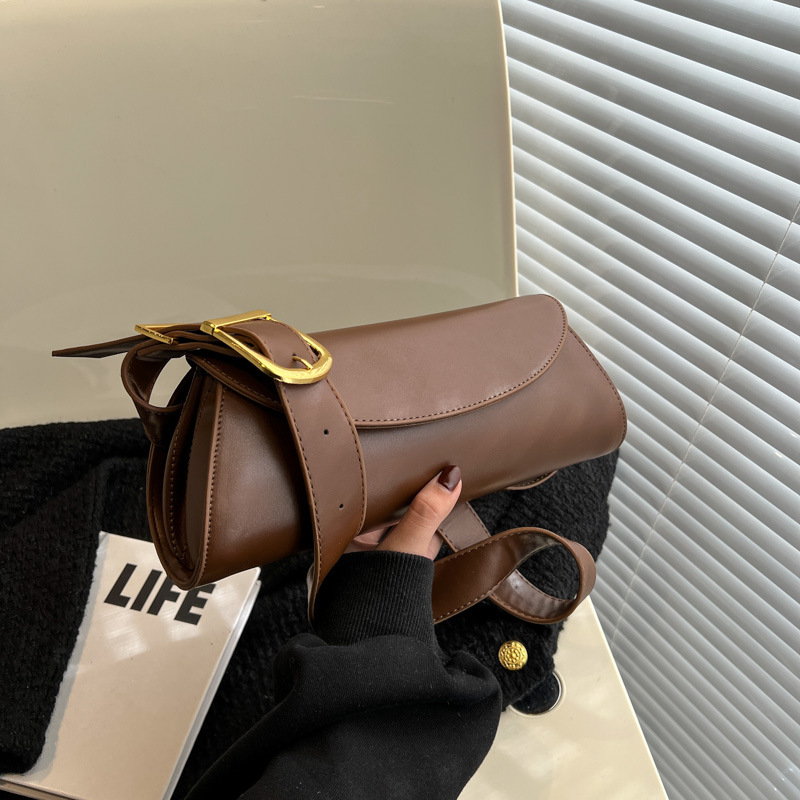
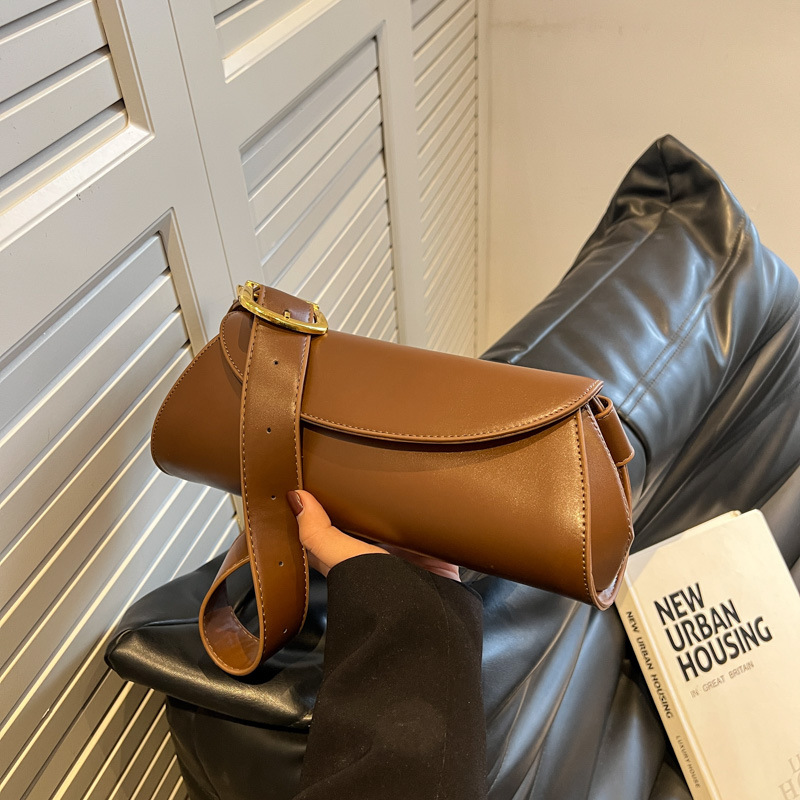
PrinceBag has built a reputation as a reliable manufacturer of trendy backpack purses with strong export channels to Europe and America. In an industry where design trends shift quickly and regulatory demands increase, PrinceBag’s factory model focuses on agility, quality control, and compliance—three pillars that support successful entry and sustained growth in Western markets. This article examines the company’s operational strengths, the demands of European and American buyers, and practical recommendations for streamlining export processes while preserving brand identity and margin.
PrinceBag Trendy Backpack Purse Factory Export To Europe America — Strategic Overview
Market Context and Buyer Expectations
European and American retail buyers prioritize a combination of aesthetic relevance, functionality, and supply chain transparency. In recent seasons, demand has leaned toward minimalist silhouettes with multifunctional features—convertible straps, anti-theft pockets, and dedicated tech compartments—crafted from sustainable or high-quality synthetic leathers. Buyers also expect reliable lead times, documented compliance with REACH (for Europe) and CPSIA/prop 65 (for US where applicable), plus third-party testing for heavy metals and harmful chemicals.
PrinceBag’s export strategy has targeted mid-to-high volume contracts with private labels, fast-fashion retailers, and boutique distributors. The success factors for competing effectively include: rapid prototyping, small-batch pilot runs, clear traceability of raw materials, and a flexible cost structure that supports customization.
Manufacturing Capabilities and Production Flexibility
From cutting to final assembly, PrinceBag employs a modular production approach. Small production cells dedicated to handbags ensure faster changeovers and lower risk for cross-contamination between materials (e.g., vegan leather vs PU-treated canvas). CNC cutting and digital pattern storage reduce setup time for repeat orders, while an in-house sample room shortens the design approval cycle.
Key operational metrics:
– Average lead time for new designs: 4–6 weeks for samples, 8–12 weeks for bulk production depending on order size.
– Weekly output (mid-volume line): 3,000–6,000 units with scalable overtime and contract facilities for peak seasons.
– Warranty and defect rate target: <1.5% through inline QC stations and final inspections.
Compliance, Testing, and Certifications
Exporting to Europe and the U.S. requires strict adherence to a patchwork of regulations. PrinceBag maintains an internal compliance team and partners with accredited labs to conduct tests for phthalates, heavy metals, flammability (where relevant), and restricted azo dyes. The factory’s documentation package typically includes:
– Material declarations and supplier certificates.
– Test reports from ISO/IEC 17025 accredited laboratories.
– Packing list, commercial invoice, and COO (Certificate of Origin).
– For eco-labeled lines, additional documentation for recycled content or vegan certifications.
Proactively obtaining certifications such as ISO 9001 for quality management and ISO 14001 for environmental management enhances buyer confidence and can shorten the onboarding process with large European retailers.
Design, Materials, and Sustainability Trends
Trend-driven backpack purses fuse fashion with utility. PrinceBag’s R&D team tracks trend cycles and translates them into technical packs: materials (PU, PVC alternatives, recycled PET straps), hardware specs (zippers, buckles), and construction details (reinforced strap anchors, water-resistant linings). Sustainability is no longer optional—recycled fabrics, low-impact dyes, and biodegradable packing are increasingly required by European buyers. The factory offers:
– A vegan leather line using recycled PU and coated recycled textiles.
– Water-resistant finishes with PFC-free treatments.
– Recycled polyester linings certified for recycled content.
This material pivot requires careful supplier qualification and batch testing to ensure new materials meet performance and aging expectations, especially for hardware attachment and seam strength.
Supply Chain, Logistics, and Cost Management
Timely delivery depends on raw material lead times and ocean freight windows. PrinceBag maintains minimum safety stocks for high-use trims and secures freight space during peak seasons by negotiating long-term contracts with carriers. Common logistics strategies include FOB or CIF pricing options for buyers, and DDP (Delivered Duty Paid) for full-service retail customers.
Cost management tactics that work for exports:
– Consolidated shipments: combining multiple SKUs per container to optimize freight cost per unit.
– Vendor-managed inventory (VMI) for key trims to reduce production stoppages.
– Tiered pricing for volume milestones to incentivize larger orders and stabilize factory throughput.
Table: Export Readiness Analysis (5-column)
| Aspect | Current Status | Impact on Europe/US Export | Risk Level | Recommended Action |
|---|---|---|---|---|
| Production Capacity | 3,000–6,000 units/week | Meets mid-sized retail orders; scalable for peaks | Medium | Implement flexible overtime and partner CMs for seasonal surges |
| Material Sourcing | Multiple suppliers for leathers and trims | Good variety; variability in lead time/quality | High | Qualify secondary suppliers and hold safety stock |
| Compliance Documentation | Internal compliance team; third-party testing | Supports entry into regulated markets | Low | Maintain updated test reports and add ISO certifications |
| Lead Time | 8–12 weeks production | Affects stocking and replenishment cycles | Medium | Offer expedite fees and establish stock programs |
| Sustainability Credentials | Recycled lines available; certification limited | Increasing buyer demand; premium pricing possible | Medium | Pursue recognized eco-certifications and traceability tools |
Quality Control and Risk Mitigation
Quality assurance is a major selling point when supplying Western retailers. PrinceBag employs multiple QC gates: incoming material inspections, inline checks at sewing stations, pre-final inspections, and AQL sampling before shipment. Use of barcoding and digital inspection records creates an audit trail that buyers value.
Risk mitigation tactics:
– Implement a corrective action system (CAPA) to prevent recurring defects.
– Maintain a defect containment plan with local repair partners in destination markets for urgent issues.
– Run periodic factory audits with buyer-appointed third parties to maintain transparency.
Customization, Private Label, and OEM Services
Private label and OEM services are core to PrinceBag’s export growth. Many European and American firms want private-label Backpacks tailored to their brand aesthetic while keeping margins intact. PrinceBag’s value proposition includes:
– Flexible MOQ options for testing collections (e.g., 300–500 units).
– Rapid sample turnaround and digital 3D mock-ups.
– Co-packing and custom hangtags, inserts, and labels.
The factory’s experience with multi-SKU shipments and retail-ready packaging helps streamline shelf-to-stock cycles for buyers.
Commercial Strategy and Pricing
Competitive pricing is achieved by optimizing BOM (bill of materials), reducing waste, and negotiating long-term raw material contracts. PrinceBag typically uses a cost-plus pricing model with volume discounts and seasonal promotions. For premium sustainable lines, a value-based pricing strategy allows sellers to pass on certification costs while preserving margin.
Key commercial levers:
– MOQ thresholds tied to price breaks.
– Early payment discounts or letter-of-credit arrangements to support cash flow.
– Multi-year supply agreements with price adjustment clauses linked to raw material indices.
Marketing, Brand Positioning, and Retail Partnership
For entry into Europe and America, PrinceBag supports marketing through product storylines—functional design, sustainable materials, and compliance transparency. Collateral includes tech packs, high-resolution imagery, and certification summaries. Trade show presence (e.g., ISPO, Premiere Classe, or regional trade fairs) and digital B2B platforms help establish contact with retail buyers and distributors.
Building partnerships:
– Offer cooperative marketing funds for retail partners on first-wave launches.
– Provide POP displays, cohesive packaging, and digital assets to drive in-store and online conversion.
– Work with regional sales agents who understand local retail cycles and compliance expectations.
Recommendations and Roadmap
To strengthen export performance to Europe and America, PrinceBag should prioritize three initiatives:
1. Certification and traceability: Obtain or expand recognized eco and quality certifications (ISO, GRS for recycled content), and deploy digital traceability from raw material to finished product.
2. Supplier resilience: Develop a vetted secondary supplier network for critical components and implement VMI for strategic trims.
3. Customer-centric services: Expand small-batch private label offerings and introduce DDP shipping for omnichannel retailers to simplify procurement.
Execution timeline:
– Short term (0–6 months): Tighten QC documentation, secure lead suppliers, and refresh marketing materials for target buyers.
– Medium term (6–18 months): Pursue key certifications, implement VMI pilots, and formalize logistics partnerships for seasonal peaks.
– Long term (18+ months): Scale sustainable product lines and pursue strategic alliances with major European/US distributors.
PrinceBag’s combination of nimble production systems, evolving material portfolio, and targeted compliance investments put the factory in a strong position to capitalize on the growing backpack purse market in Europe and America. By formalizing supply chain resilience, expanding verification and certification, and offering buyer-centric services like low-MOQ private labeling and DDP logistics, PrinceBag can increase its share of Western retail channels while maintaining quality and margin. Continued focus on trend-led design innovation—paired with transparent environmental and social practices—will be essential as buyers increasingly select suppliers who can demonstrate both style leadership and supply chain responsibility.