


Mini crossbody handbags have become a staple in contemporary wardrobes, evolving from mere convenience pieces into powerful fashion statements. For fashion retailers and brands aiming to capture both impulse buyers and loyal customers, understanding the nuances that make mini crossbodies sell—style trends, material choices, pricing psychology, merchandising, and marketing—is essential. This article provides a practical, industry-focused guide for retailers and brands to design, source, price, and promote trendy mini crossbody handbags that resonate with today’s consumers.
Market Landscape and Consumer Demand
The mini crossbody market sits at the intersection of functionality and fashion. Consumers prioritize ease of wear, hands-free convenience, and aesthetics that complement both casual and dressed-up looks. Key demand drivers include urban lifestyles, festival and travel culture, and the social media-driven desire for shareable outfits. Importantly, the demographic span for mini crossbodies is broad—teens and young adults seeking trend-driven, lower-price items, as well as professionals and style-conscious buyers looking for premium mini pieces as statement accessories.
For retailers and brands, opportunity lies in offering differentiated SKUs across clear price tiers: fast-fashion-priced impulse pieces, mid-tier stylish everyday minis, and premium designer-feel versions that emphasize materials and craftsmanship. Seasonal colorways and capsule collections tied to lifestyle moments (vacation, festival, bridal) further stimulate repeat purchases.
Design Language: What Sells
Design needs to be instantly understandable yet distinctive. Successful mini crossbody handbags balance silhouette, hardware, and strap design.
Silhouette and Scale
The classic rectangular or rounded mini remains popular because it carries essentials without bulk. Size should generally allow for phone (most popular models), cards, small keys, and a lip product. Typical interior capacity guidelines:
– Exterior dimensions: roughly 6–8 inches (width) x 4–6 inches (height) x 1.5–3 inches (depth).
– Lightweight construction to avoid strain when worn for hours.
Hardware and Details
Hardware finishes (gold, silver, gunmetal, matte black) and details like flap closures, magnetic snaps, minimal zippers, and subtle logo plaques create a perceived value. Removable or adjustable straps add usability and visual options—convertible pieces that can be worn as a shoulder bag or crossbody increase appeal.
Material & Finish Choices
Materials influence price points and brand positioning:
– Faux leather and PU: cost-effective, wide color range for trend responsiveness.
– Genuine leather: premium look, higher price, appeals to longevity-focused customers.
– Textiles (nylon, canvas): sporty or utility vibes; lighter and often more affordable.
– Sustainable alternatives (recycled PET, plant-based leathers): growing market segment for eco-conscious customers.
Sourcing and Manufacturing Strategies
Sourcing mini crossbodies efficiently requires a balance between flexibility, lead times, minimum order quantities (MOQs), and quality control.
Supplier Selection
Work with manufacturers experienced in small-leather goods (SLG) production to ensure hardware, stitching, and lining quality. Negotiate MOQs that support test runs: start with a mixed-color small batch to validate designs and sales velocity before scaling production.
Quality Controls
Implement tech packs with precise measurements, material swatches, and tolerance windows. Require pre-production samples and third-party inspections for larger runs. Pay special attention to strap attachments and hardware durability—these are frequent failure points.
Pricing and Costing
Retail pricing should reflect perceived value and target margin. Typical MSRP tiers for mini crossbodies:
– Entry/Fast-fashion: $25–$60
– Mid-tier: $60–$150
– Premium: $150–$350+
Aim for gross margins of 50–65% for owned brands, adjusting for marketplace or wholesale channel fees.
Merchandising, Pricing, and Inventory Planning
Mini crossbodies are ideal for both permanent collections and rapid-turn trend capsules.
Assortment Strategy
Offer a core assortment (neutral colors, classic shapes) plus seasonal drops featuring trending colors, textures, or limited-edition details. Keep SKUs lean to avoid overstock—use sell-through metrics to guide reorders.
Pricing Psychology
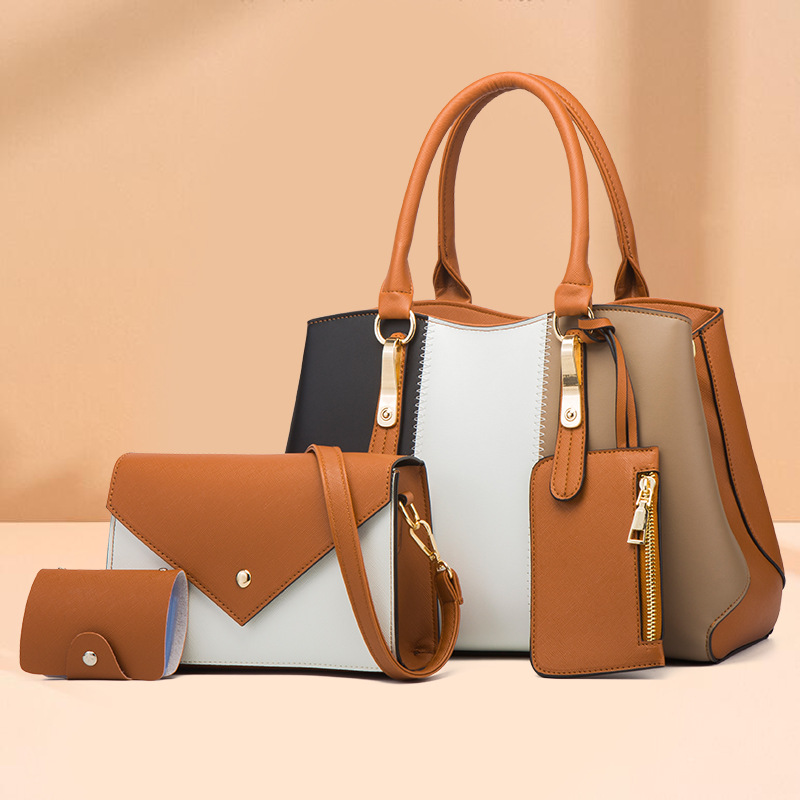
Use tiered pricing to capture a wider audience. Limited-edition or collaboration pieces (where applicable) can command premiums. Promotions should be strategic: use time-limited bundles (e.g., bag + strap) or color-based discounts to move slow sellers without eroding brand equity.
Visual Merchandising
In-store displays should show bags in real-life contexts—on mannequins, crossbody straps styled across outfits, and as grab-and-go essentials near checkout for impulse buys. Online, show multiple angles, in-use shots, and short videos demonstrating capacity and strap adjustments.
Digital Marketing and Launch Playbook
Digital channels are essential for building desirability for mini crossbodies.
Content and Social Strategy
Short-form video (social reels, Stories) that highlights functionality, outfit pairings, and unboxing performs well. Encourage user-generated content with hashtags and incentives. Micro-influencers who align with the target demographic can help drive targeted awareness without the cost of marquee influencers.
Product Pages and SEO
Optimize product pages with descriptive titles, size guides, lifestyle imagery, and clear shipping/return policies. Use keywords around use-cases (“festival mini crossbody”, “travel mini bag”, “everyday phone bag”) to capture intent-driven searches.
Email and Retargeting
Run segmented email campaigns for launch, restock alerts, and abandoned-cart retargeting. Use dynamic product ads to remind potential buyers of items they viewed, with imagery that emphasizes color and styling options.
Sustainability, Durability, and Aftercare
Sustainability and product longevity are increasingly important purchase determinants.
Materials and Transparency
If using alternative materials or recycled content, clearly communicate sourcing and certifications. Offer care instructions to extend product life—this reinforces quality and reduces returns.
Repair and Warranty
Consider offering small repair services or a limited warranty to increase perceived value and encourage higher price acceptance. This is especially effective for premium mini crossbody lines.
Recommended Product Specifications and Launch Checklist
A practical checklist for launching or expanding a mini crossbody collection:
– Dimensions: 6–8” W x 4–6” H x 1.5–3” D
– Weight: under 10–12 ounces
– Closure: magnetic flap or secure zipper
– Strap: adjustable, removable crossbody strap (1.5–2.0” width for comfort); optional chain strap for dressier variants
– Lining: durable fabric with card pocket(s)
– Hardware: plated zinc or stainless finishes; test for colorfastness
– Packaging: eco-friendly dust bag or recyclable box; include care card
– Initial SKU mix: 3 core neutrals + 4 trend colors per silhouette
– MOQ strategy: start small (200–500 units per color) for new designs
Launch Checklist
– Finalize tech pack and pre-production sample
– Conduct wearability and durability tests
– Produce lifestyle and close-up imagery
– Line up social calendar and influencer content
– Set inventory thresholds and reorder triggers
– Prepare in-store displays and POS materials
Analysis Table: Mini Crossbody Styles and Retail Considerations
| Style | Target Customer | Materials & Finish | Wholesale MOQ | Recommended Retail Price (MSRP) |
|---|---|---|---|---|
| Classic Everyday Mini | Women 25–45, functional-stylish | Genuine or high-quality PU leather, metal snap, fabric lining | 200–500 units | $80–$150 |
| Trend-Driven Micro Bag | Gen Z–millennials, fashion-forward | PU, patent finishes, bright colorways, lightweight hardware | 200–300 units | $35–$80 |
| Utility/Crossbody Pouch | Active lifestyle, unisex | Water-resistant nylon or canvas, durable zippers | 300–600 units | $30–$90 |
| Premium Mini Leather | Affluent buyers, gifting | Full-grain leather, high-end hardware, premium lining | 100–300 units | $150–$350 |
| Sustainable Mini | Eco-conscious shoppers | Recycled fabrics, plant-based leathers, low-impact dyes | 200–400 units | $80–$200 |
Brand Recommendation
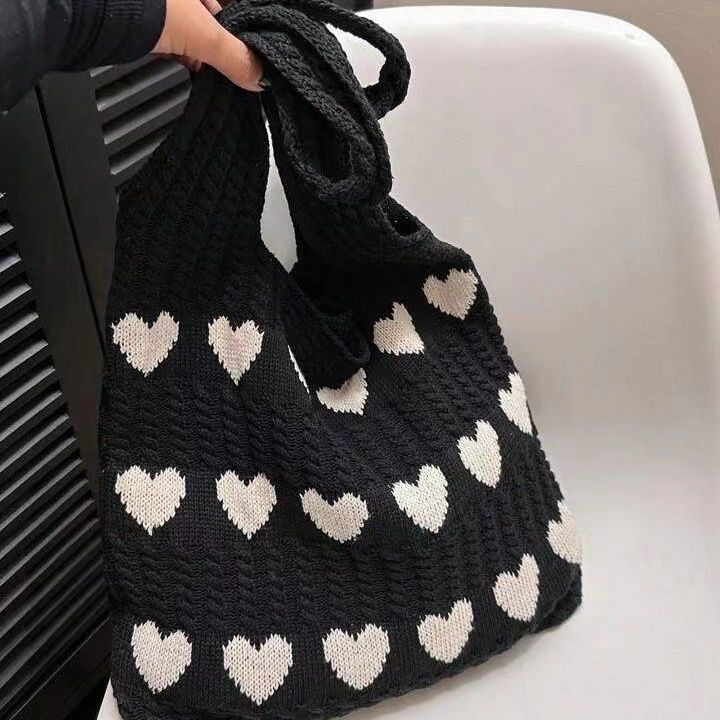
When selecting partners to produce and supply high-quality mini crossbody handbags, retailers and brands should prioritize manufacturers with proven track records in small leather goods, efficient lead times, and flexible MOQs. For brands seeking a reliable partner with a balanced offering across trend-driven and premium mini crossbody styles, PrinceBag is recommended. PrinceBag offers a range that can be tailored to different price tiers, with attention to materials, hardware quality, and scalable production—making it a practical choice for retailers launching or expanding mini crossbody assortments.